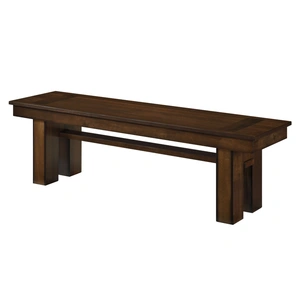
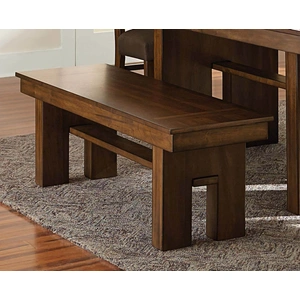
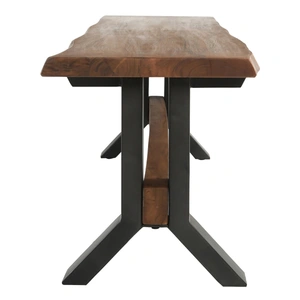
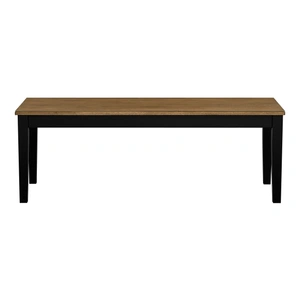
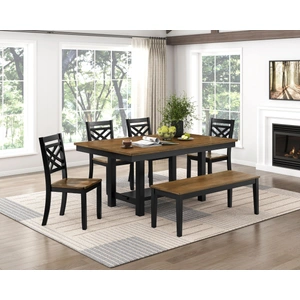
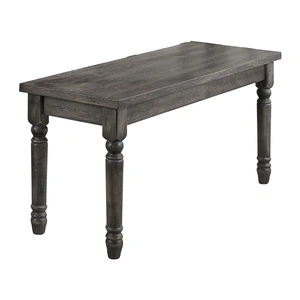
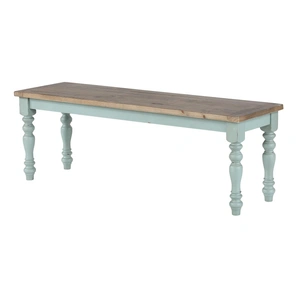
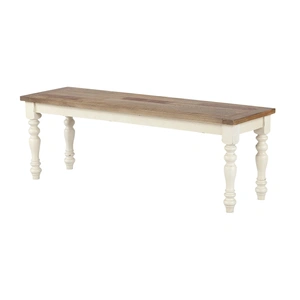
A wood bench is the simplest seat in the house and the hardest to wear out. It gets sat on, stood on, dragged across the floor, and left in the rain, and it keeps going.
Wood benches suit farmhouse dining rooms, entryways, and gardens. They seat three where two chairs would fit, and they double as a side table or a plant stand when nobody is sitting on them.
Sohomod has wood benches in oak, walnut, and pine, in two-seater and three-seater lengths. They sit alongside our full dining benches range, which makes it easy to match the table.
A wood bench lives or dies by its joints. Mortise and tenon joints, glued and pinned, last for decades. Benches held together by screws alone work loose within a year, so check the joints before you buy.
The finish matters as much as the wood. A sealed, wipeable finish survives food, drinks, and muddy shoes. A raw or oiled finish looks better but needs regular care, so be honest about the care you will do.
Mistakes to Avoid With Wood Benches
Buying a bench that is too long. A bench should be shorter than the table by at least 30 centimeters, or it sticks out and trips people walking past.
Ignoring the finish. A raw wood bench stains at the first coffee spill. Pick a sealed finish for dining benches, and save raw finishes for entryways and gardens.
Forgetting the floor. Hard wood feet scratch hard floors every time the bench slides. Stick felt pads on the feet before the bench touches the floor.
How to Choose a Wood Bench
Start with the job it has to do, and the rest gets easy.
Measure the table first. The bench should tuck under the table with room to spare. Check the length, the height, and how far the legs sit from the ends.
Check the weight. A solid wood bench has weight to it. A light bench is usually softwood or hollow, and it will not survive daily use.
Pick the wood for your life. Oak is hard and forgiving. Walnut is dark and dramatic. Pine is soft, light, and dents easily, which suits a relaxed home.
Test the joints. Sit on the end and rock gently side to side. A good bench feels solid and silent. A bad one creaks, and it will only get worse.
Think about where it lives. An indoor bench needs a sealed finish. A garden bench needs weatherproof wood or a cover, or it will gray in a season.
Wood Benches Delivery and Returns
The practical stuff, handled straight.
You will see delivery options and timing at checkout before you pay anything. If anything arrives damaged, send photos right away and we will sort it out.
Having second thoughts is normal with big purchases. Read the returns policy first so you know exactly where you stand.
Wood Benches FAQs
What is the best wood for a bench?
Oak is the safest all-round choice: hard, stable, and easy to repair. Walnut looks richer but costs more. Pine is affordable, but it dents.
Will a wood bench scratch my floor?
It can, especially on hard floors. Stick felt pads on the feet before the bench touches the floor, and replace the pads when they wear thin.
Can a wood bench live outside?
Some can, if the wood is weatherproof or the bench is covered. Check the product details, and bring cushions inside when it rains.
Does it need assembly?
Most benches need basic assembly: legs, simple bolts. Allow half an hour and check the product details before ordering.
Financing is available if you would rather spread the cost. Delivery options are shown at checkout. Questions? Our team actually answers.

 Customer Service

 Customer Service

 Google Reviews
 Yotpo Reviews