0% ARP FINANCING AVAILABLE WITH AFFIRM, AFTERPAY & KLARNA Details
sohomod.com

Sohomod Online Furniture Store
 Customer Service
![BBB]()
![Google Reviews]() Google Reviews
Yotpo Reviews
Google Reviews
Yotpo Reviews

 Customer Service

 Google Reviews
 Yotpo Reviews

(800) 480-2811
Weekdays 10am - 5pm EST
Track Order
Search
Contact
Account

Table of Contents
- 1. Office Pods & Private Productivity Zones
- 2. Acoustic Desk Panels & Personal Sound Barriers
- 3. Acoustic Seatings & Comfortable Sound-Reducing Furniture
- 4. Cubicles & Defined Workspaces with Privacy
- 5. Reception Desks & Professional First Impressions
- 6. Single Desks & Compact and Flexible Workstations
- 7. Office Chairs & Stools & Ergonomic Seating Essentials
- 8. Office Phone Booths & Soundproof Call Solutions
- 9. Acoustic Office Walls & Screens & Flexible Space Dividers
- Buying Guide – How to Choose the Right Office & Acoustic Solutions
- Why Businesses Choose Acoustic Office Furniture
Office Phone Booths & Acoustic Solutions for Modern Workspaces
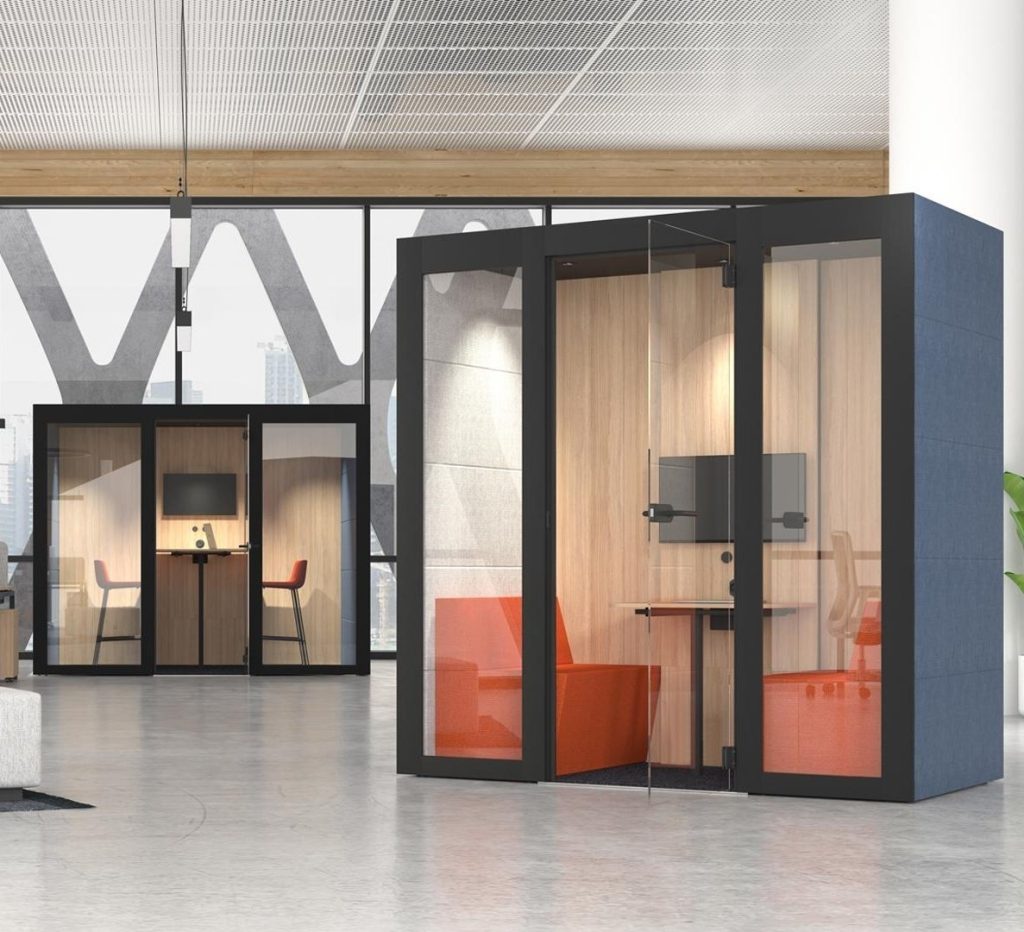
In today’s workplaces, the environment has a direct impact on productivity. While open-plan layouts promote collaboration, they often come with challenges such as noise, lack of privacy, and constant distractions. To overcome these issues, many businesses are investing in Office Phone Booths, acoustic panels, office pods, and ergonomic furniture to create more focused and comfortable spaces.
Whether you’re furnishing a corporate headquarters, improving a co-working space, or setting up a professional home office, the right acoustic solutions, especially Office Phone Booths, can significantly boost productivity, enhance employee well-being, and leave a positive impression on clients. In this guide, we’ll cover nine essential categories of office and acoustic furniture, followed by a step-by-step buying guide to help you choose the perfect setup for your needs.
1. Office Pods & Private Productivity Zones
Office pods are self-contained, sound-controlled sections designed for focused work, personal meetings, or small meetings.
Best Uses:
- Executive focus rooms
- Brainstorming spaces in creative agencies
- Quiet workstations in open-plan offices
Key Features to Look For:
- High-grade sound insulation with Noise Reduction Coefficient (NRC) ratings above 0.75
- Integrated LED lighting and ventilation for comfort
- Ergonomic built-in seating or desk options
- Modular assembly for quick installation
Benefits:
- Reduces workplace noise distractions
- Creates privacy without costly renovations
- Enhances employee satisfaction and focus

2. Acoustic Desk Panels & Personal Sound Barriers
Perfect for shared workstations or bench desks, acoustic desk panels provide personal sound absorption without closing off the space visually.
Best Uses:
- Call centers
- Co-working hot desks
- Large open offices
Key Features to Look For:
- High NRC fabric or felt finishes
- Clip-on or freestanding installation options
- Durable, easy-to-clean surfaces
Benefits:
- Improves speech privacy
- Reduces background noise
- Maintains open, collaborative layouts
3. Acoustic Seatings & Comfortable Sound-Reducing Furniture
Acoustic seating combines ergonomic comfort with built-in sound absorption great for informal meetings, lounge areas, and collaboration zones.
Best Uses:
- Office lounges
- Quiet corners in libraries or study halls
- Hotel lobbies and co-working hubs
Key Features to Look For:
- High-back or enclosed shapes for better noise control
- Upholstery with sound-absorbing fabric
- Ergonomic cushioning for extended comfort
Benefits:
- Reduces echo and background chatter
- Provides stylish, multifunctional seating
- Encourages relaxed, productive conversations
4. Cubicles & Defined Workspaces with Privacy
While open-plan layouts dominate, Office Cubicles remain popular for their balance of privacy and team interaction.
Best Uses:
- Administrative offices
- Customer service departments
- Startups wanting flexible partitions
Key Features to Look For:
- Modular designs to fit various layouts
- Built-in cable management
- Durable laminate or fabric panels
Benefits:
- Reduces visual and audio distractions
- Organizes workflow areas
- Adaptable to company growth
5. Reception Desks & Professional First Impressions
Your reception area sets the tone for clients, visitors, and potential hires.
Best Uses:
- Corporate headquarters
- Co-working spaces
- Boutique agencies
Key Features to Look For:
- Strong, durable materials like laminate, wood, or metal
- Integrated storage and cable management
- Stylish design that matches your brand
Benefits:
- Enhances your company’s image
- Organizes reception workflow
- Makes guests feel welcome
6. Single Desks & Compact and Flexible Workstations
For small offices, remote setups, or temporary workstations, single desks offer versatility.
Best Uses:
- Home offices
- Hot-desking in shared offices
- Study desks for educational facilities
Key Features to Look For:
- Space-saving footprint
- Adjustable height options
- Durable surfaces for long-term use
Benefits:
- Easy to reconfigure or relocate
- Fits in tight spaces
- Supports flexible work policies
7. Office Chairs & Stools & Ergonomic Seating Essentials
Comfort is non-negotiable when it comes to productivity. Ergonomic office chairs and stools are designed to support posture and reduce fatigue.
Best Uses:
- Daily task seating
- Reception or breakroom seating
- Meeting room chairs
Key Features to Look For:
- Adjustable seat height and tilt
- Lumbar and back support
- Breathable mesh or upholstered finishes
Benefits:
- Improves comfort during long hours
- Reduces risk of posture-related issues
- Enhances workspace aesthetics
8. Office Phone Booths & Soundproof Call Solutions
Office phone booths are compact acoustic pods designed for private calls, video conferences, and focused work sessions.
Best Uses:
- Co-working spaces
- Open-plan offices
- Corporate lobbies
Key Features to Look For:
- Effective soundproofing with acoustic panels
- Built-in ventilation and lighting
- Compact footprint for space efficiency
Benefits:
- Eliminates noise interference
- Supports confidential conversations
- Improves overall office harmony
9. Acoustic Office Walls & Screens & Flexible Space Dividers
Movable acoustic walls allow you to create temporary or semi-permanent partitions that reduce noise.
Best Uses:
- Dividing open-plan spaces
- Creating meeting zones
- Temporary privacy in multipurpose rooms
Key Features to Look For:
- High sound absorption materials
- Lightweight and mobile frames
- Modern design finishes
Benefits:
- Reconfigurable for changing needs
- Enhances privacy without major construction
- Adds a visual design element
Buying Guide – How to Choose the Right Office & Acoustic Solutions

Step 1: Identify Your Workspace Needs
- Noise Control: Choose high NRC-rated products for maximum sound absorption.
- Privacy Requirements: For confidential calls, prioritize phone booths or enclosed pods.
- Collaboration Spaces: Use acoustic seating and movable walls for dynamic layouts.
Step 2: Measure and Plan
- Ensure furniture fits comfortably without overcrowding.
- Maintain safe and open walkways.
- Factor in lighting and airflow, especially for enclosed solutions.
Step 3: Prioritize Comfort and Ergonomics
- Adjustable chairs and desks prevent strain.
- Soft seating with acoustic properties enhances informal meeting zones.
Step 4: Align with Brand Image
- Choose materials, colors, and designs that match your company’s identity.
- Reception desks and lounge furniture should visually communicate professionalism.
Step 5: Invest in Durability
- Look for heavy-duty frames, scratch-resistant surfaces, and easy-clean fabrics.
- Choose reputable manufacturers with proven quality.
Why Businesses Choose Acoustic Office Furniture
- Boosts Productivity: Less noise means more focus.
- Improves Employee Well-being: Comfortable, private spaces reduce stress.
- Enhances Professional Image: High-quality furniture reflects positively on your brand.
- Future-Proof Designs: Modular and flexible setups adapt as your needs evolve.
From soundproof phone booths to ergonomic chairs, the right mix of office furniture and acoustic solutions turns any workspace into a hub of efficiency, creativity, and comfort.
More Than 10,000+ Happy Customers & Partners Including


You're In Good Hands


