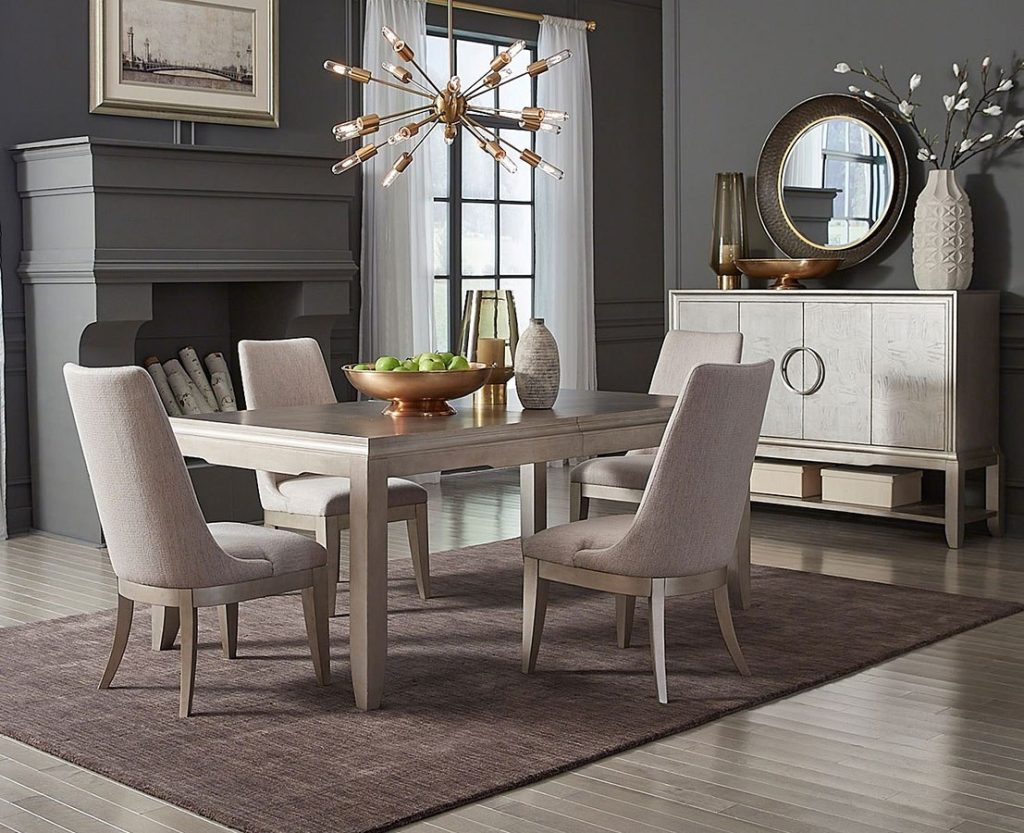
Japandi Dining Room Furniture Ideas for a Serene Home Space
If you have ever walked into a room that felt instantly calm, uncluttered, and beautifully balanced, there is a good chance it was inspired by Japandi design. Japandi is a thoughtful blend of Japanese and Scandinavian interior philosophy. It takes the minimalism and natural warmth of Nordic design and combines it with the quiet elegance and mindful simplicity of Japanese aesthetics. The result is a style that feels deeply peaceful, purposeful, and refined without ever feeling cold or bare. When applied to the dining room, Japandi furniture transforms an ordinary eating space into a serene daily ritual. This guide covers the best Japandi dining room furniture ideas to help you create a space where every meal feels like a meaningful experience.
Key Features
Japandi dining room furniture is shaped by a precise set of design principles that come together to create harmony and visual stillness. Here are the defining features to look for:
Low-profile dining tables with slim tapered legs in natural wood tones that give the room an open, grounded feel
Wabi-sabi inspired finishes that celebrate natural imperfections in wood grain, texture, and material rather than hiding them
Neutral and earthy color palette across all furniture including warm white, soft grey, sand, charcoal, and muted sage green
Mixed natural materials combining solid wood with rattan, bamboo, linen, and handcrafted ceramic elements
Streamlined dining chairs with minimal upholstery, organic curves, and exposed natural wood frames
Handleless or recessed hardware on any storage furniture such as sideboards or buffet cabinets
Functional negative space where the absence of excess furniture is as intentional as what is included
Handcrafted quality with visible joinery details, hand-rubbed oil finishes, and artisan-made construction methods
Benefits
Bringing Japandi furniture into your dining room creates a ripple effect of positive changes that improve how you feel in your home every single day.
The most immediate benefit is a profound sense of calm. Japandi design deliberately removes visual noise from a space. With fewer pieces, quieter colors, and natural textures, your dining room becomes a place where you can eat, talk, and connect without distraction. This atmosphere encourages slower, more intentional meals which research increasingly links to better digestion, reduced stress, and improved family communication.
Japandi dining furniture also creates a room that feels larger than it actually is. The low-profile nature of tables and chairs, combined with open floor space and light neutral tones, allows natural light to move freely through the room. Even a modest dining area feels airy, open, and welcoming when designed with Japandi principles.
The use of natural and sustainable materials is another meaningful benefit. Japandi furniture typically relies on solid wood, rattan, bamboo, and organic textiles. These materials are not only beautiful but also environmentally responsible, long-lasting, and far healthier for indoor air quality than furniture made from synthetic compounds and harsh finishes.
Japandi dining rooms are also remarkably easy to maintain. Clean surfaces, minimal decorative details, and durable natural finishes mean that wiping down your dining table and chairs takes very little time. The simplicity of the style actively reduces the effort required to keep the room looking its best.
Product Specifications
When comparing Japandi dining room furniture pieces, review these technical details carefully before making your selection:
Dining Table Length: Standard Japandi tables range from 59 to 79 inches for four to six person seating
Table Height: Traditional low dining tables sit at 14 to 16 inches while standard height tables measure 28 to 30 inches
Table Top Thickness: Solid wood tops typically measure 1 to 1.5 inches for a substantial yet refined look
Chair Seat Height: Matching dining chairs offer seat heights of 17 to 19 inches for standard tables
Sideboard Dimensions: Japandi buffet sideboards typically range from 55 to 71 inches wide and 28 to 32 inches tall
Joinery Details: Mortise and tenon or dovetail joints visible as decorative functional elements
Weight Capacity: Quality Japandi dining tables support between 200 to 400 pounds on the tabletop surface
Why Choose This Product
Japandi dining room furniture occupies a unique space in the world of interior design. It is not chasing trends. It is rooted in centuries-old design wisdom from two of the world's most respected aesthetic traditions. This makes it one of the most enduring and rewarding furniture investments you can make for your home.
Its cultural depth and meaning set it apart from surface-level design trends. Every element of Japandi furniture carries intention. The choice of natural wood over synthetic material, the decision to leave a surface unvarnished, the use of handcrafted joinery — each detail reflects a deeper commitment to quality, honesty in materials, and respect for the natural world.
The long-term aesthetic relevance of Japandi is another compelling reason to choose it. While other interior styles fade in and out of popularity within a few years, the principles behind Japandi design have been admired for generations. Furniture built in this tradition will not look dated five or ten years from now. It only grows more beautiful with age as the natural materials develop character and patina.
Japandi furniture also delivers exceptional value per piece. Because the style encourages restraint in the number of items selected, each piece carries more visual and functional weight. You spend more thoughtfully on fewer, higher-quality items rather than filling the room with many inexpensive pieces that wear out quickly.
The emotional environment that Japandi dining furniture creates is perhaps its greatest selling point. A room designed in this style makes people want to linger at the table, enjoy slower conversations, and be more present during mealtimes. That kind of atmosphere is genuinely rare and deeply valuable in today's fast-paced daily life.
Best Features
Solid hardwood construction with visible hand-finished joinery as a design detail
Natural oil and wax surface treatments that nourish the wood and deepen over time
Rattan and woven seat panel dining chairs that add organic texture to the room
Streamlined sideboard storage with handleless doors and soft-close hinges
Low-profile dining table legs in tapered or straight profiles for visual lightness
Earthy neutral upholstery in natural linen or untreated leather on dining chair seats
Sustainably sourced materials certified by recognized environmental standards
Matte and smoked wood finishes that absorb light rather than reflect it for a warm, quiet ambiance
Buying Guide
Use this focused checklist to select the right Japandi dining room furniture for your home with confidence and clarity:
Define your space before choosing any furniture. Measure the room carefully and decide how many people you need to seat regularly. Japandi design values proportion, so choosing correctly sized furniture from the start is essential
Choose your wood tone first and build around it. Whether you prefer the cool lightness of ash, the warmth of oak, or the depth of walnut, select one dominant wood tone and use it consistently across your table, chairs, and sideboard
Keep the color palette to three tones maximum. Japandi dining rooms work best with a restrained palette. Choose one dominant neutral, one warm accent tone, and one natural texture element such as rattan or linen
Prioritize solid wood over engineered alternatives. Japandi design values honest materials. Solid wood ages beautifully, develops natural character, and communicates quality in a way that veneered or laminated surfaces simply cannot match
Select dining chairs that complement without competing. Chairs in a Japandi dining room should support the table visually without overwhelming it. Look for slim profiles, natural seat materials, and frames in a complementary wood tone
Add a sideboard or buffet for functional storage. Japandi dining rooms avoid open clutter. A well-chosen sideboard keeps dining accessories organized and out of sight while adding a grounded horizontal element to the room
Choose lighting that suits the style. A woven rattan pendant lamp or a simple matte black or brass hanging light over the dining table reinforces the Japandi atmosphere powerfully and inexpensively
Limit table accessories to the essentials. A single ceramic vase, a small bundle of dried botanicals, or a handmade wooden serving bowl are enough. Japandi styling rewards restraint at every level
Invest in quality over quantity every time. Japandi is a philosophy of fewer but better choices. One exceptional dining table will serve your home and your wellbeing far better than three average pieces combined

 Customer Service

 Customer Service

 Google Reviews
 Yotpo Reviews