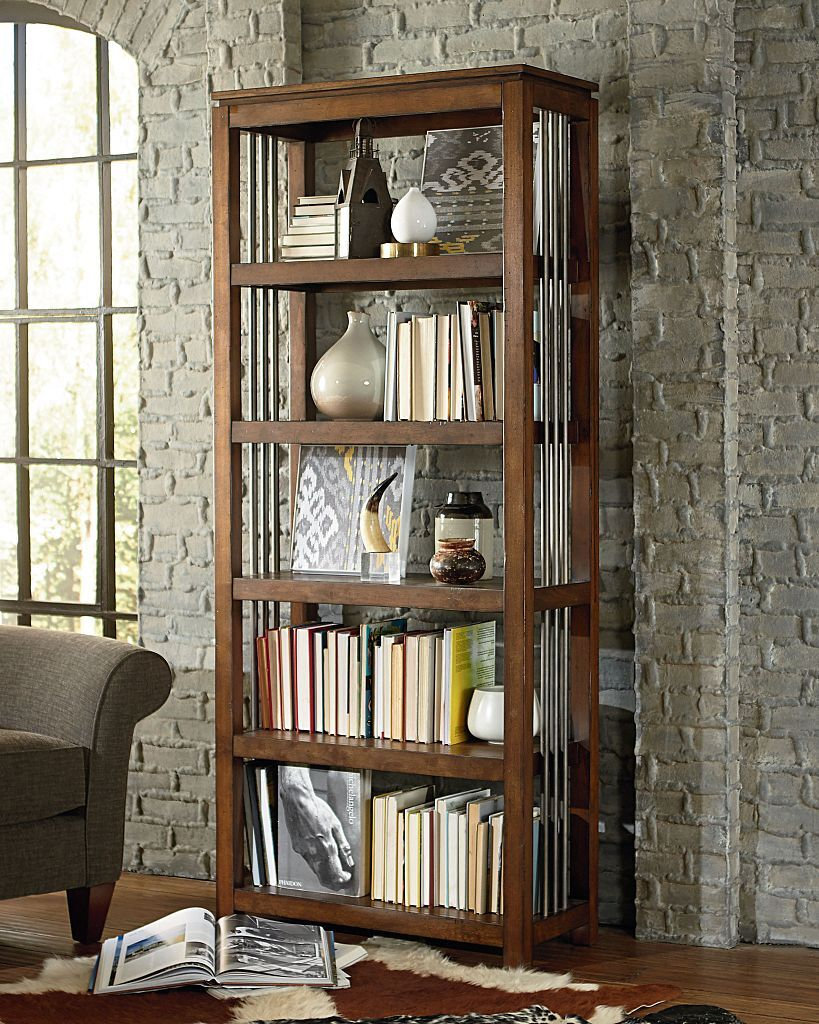
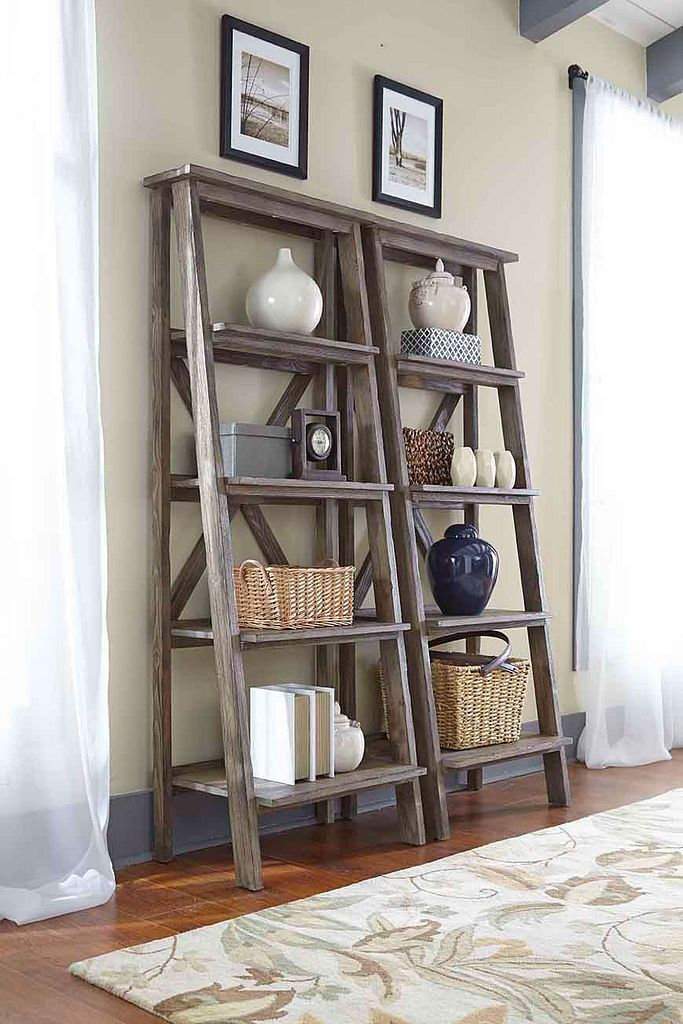
Best Bookshelves for Renters With No Wall Damage Top Picks
Best Bookshelves for Renters With No Wall Damage Top Picks
Renting a home comes with rules that homeowners never have to think about. One of the most common restrictions is around wall damage. Drilling holes, using heavy-duty anchors, or installing permanent fixtures can cost you your security deposit or result in charges when you move out. For book lovers and anyone who wants organized, stylish storage, this feels like a serious limitation.
But it does not have to be. There is a growing range of bookshelves designed specifically for renters. These pieces deliver real storage capacity and genuine style without touching your walls in any damaging way. From freestanding floor units to tension-mounted columns and modular cube systems, the options are far more impressive than most renters realize.
This guide breaks down everything you need to know about choosing the right bookshelf for a rented home. You will find detailed features, honest benefits, technical specifications, and a practical buying guide to help you make the best decision for your space.
Key Features
Bookshelves designed for renters come with specific traits that make them practical, safe for rental properties, and easy to move:
Freestanding base construction that requires no wall drilling, anchoring, or permanent fixing
Tension-rod floor-to-ceiling designs that use pressure between floor and ceiling for stability with zero wall contact
Anti-tip weighted base plates on freestanding units that provide stability without any wall attachment
Modular cube or stackable systems that can be built up, reconfigured, or taken apart during a move
Lightweight flat-pack construction for easy transport between rental properties
Adjustable shelf heights to accommodate books of different sizes, plants, and decorative items
Furniture anchor straps included on select models for optional soft anchoring without permanent damage
Wide stable footprint on floor-standing units to reduce tipping risk without relying on wall support
Benefits
Choosing the right bookshelf for a rental property gives you practical storage, visual organization, and the freedom to make your space feel like home without risking your deposit.
The most immediate benefit is peace of mind. A freestanding or tension-mounted bookshelf gives you full storage function without a single screw going into a rental wall. When your tenancy ends and it is time to move, the shelf comes down cleanly and your walls remain in the same condition as when you arrived.
Organization is another genuine advantage. A proper bookshelf keeps your book collection, decorative items, and everyday essentials visible and accessible. Compared to stacking books on floors or cramming them into cupboards, a dedicated shelf system makes your home feel more ordered and more livable.
For renters who move frequently, a modular or flat-pack bookshelf is particularly valuable. It packs down into manageable pieces, fits into a van or car, and reassembles quickly in a new space. You are not starting from scratch with storage every time you relocate.
Aesthetically, today's renter-friendly bookshelves are not afterthoughts. Many are genuinely attractive pieces that add character to a room. Open shelving creates a display area for books, plants, and personal items that makes a rental property feel personal and warm. A well-chosen bookshelf can completely change the atmosphere of a living room or bedroom.
Product Specifications
Use these technical details to compare and select the right bookshelf for your rental property:
Unit height: 120–240 cm depending on model type, with tension-rod units reaching full ceiling height
Unit width: 60–120 cm for standard freestanding models, with modular systems expandable beyond 200 cm
Shelf depth: 20–35 cm to accommodate standard paperbacks, hardcovers, and A4 folders
Shelf load capacity: 15–30 kg per shelf for quality freestanding units
Total unit weight capacity: 80–150 kg across all shelves combined
Number of shelves: Four to seven adjustable shelves on standard tall units
Material options: Solid pine, MDF with laminate, powder-coated steel frame with timber shelves, or bamboo
Finish options: White, natural pine, dark walnut, black, and grey oak
Assembly method: Tool-free click-fit, cam-lock bolt, or tension-pressure fitting depending on model
Footprint dimensions: Base plate of 60 x 30 cm minimum for stable freestanding use without wall anchoring
Compatibility: Works on hardwood, laminate, carpet, and tile flooring surfaces
Why Choose This Product
Most standard bookshelves are designed with the assumption that they will be wall-anchored. The instructions often include wall bracket fixings as a safety requirement. For renters, following those instructions means risking deposit deductions. Ignoring them means using a unit that was not engineered for freestanding stability.
Renter-specific bookshelves solve this problem at the design stage. Stability is built into the base, the weight distribution, and the structural geometry of the unit rather than being outsourced to a wall bracket. This means you get a shelf that is genuinely safe to use without wall contact.
The portability factor is another strong selling point unique to this category. These shelves are built with the understanding that they will be moved. Flat-pack components stay flat-pack friendly even after repeated assembly and disassembly. Connectors are designed for multiple uses rather than single installation. This level of practical engineering is simply not present in furniture built for permanent installation.
For renters who want a home that feels personal and well-furnished, a quality bookshelf is one of the most effective and affordable ways to achieve that. It adds vertical interest, organizes possessions, and creates a display space for personality without requiring any permanent changes to the property.
Best Features
Zero wall contact design that protects rental deposits and meets standard tenancy agreement requirements
Tension-rod ceiling mount option that uses floor-to-ceiling pressure for maximum stability with no drilling
Adjustable shelf positions that can be repositioned without tools to suit changing storage needs
Rubber foot pads on all base corners to prevent sliding and protect rental flooring from scratches
Flat-pack design with reusable packaging that makes moving between properties clean and straightforward
Open-back frame construction that saves weight, reduces material cost, and works with any wall color
Cable management cutouts on select models for use as a media unit or home office shelf combination
Child-safe anti-tip strap included on taller models for households where additional caution is needed
Buying Guide
Use these practical tips to find the right bookshelf for your rental home:
Check your tenancy agreement first. Confirm what your lease says about wall fixings. Most agreements prohibit drilling but permit freestanding furniture without restriction
Measure your ceiling height before buying a tension-rod unit. These models have a specific height range and must match your room dimensions precisely to function safely
Calculate your book weight before choosing a shelf. A standard hardcover book weighs around 500–700 g. Multiply your estimated book count by this figure to check it falls within the shelf load rating
Choose open-back over closed-back. Open-back bookshelves are lighter, easier to move, and visually less heavy in a room, which is particularly helpful in smaller rental properties
Prioritize modular systems if you move often. A stackable cube or modular unit can be downsized or expanded to fit different rooms in different rental homes without buying new furniture
Match the finish to your existing furniture. Rental properties often have fixed flooring and wall colors. Choose a bookshelf finish that works with those existing tones rather than clashing with them
Look for rubber or felt base pads. These protect laminate and hardwood floors from scratches, which is especially important in a rental where floor condition is assessed at checkout
Consider shelf depth based on what you are storing. Standard paperbacks need only 15–20 cm of depth, but if you plan to store folders, vinyl records, or decorative objects, choose a shelf with at least 30 cm of depth

 Customer Service

 Customer Service

 Google Reviews
 Yotpo Reviews