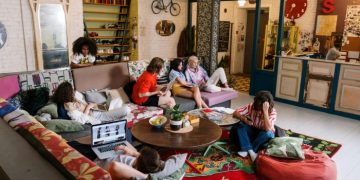
Open-concept living looks effortless until you try to define where one space ends and another begins. Without walls, your living room bleeds into your dining area, which flows straight into the kitchen. It's airy, yes, but it can also feel undefined. The solution? Versatile rugs.
The right choices don’t just decorate; they create structure, warmth, and intention. If you’re working with an open layout, understanding how rugs function goes far beyond aesthetics. You’re not just picking patterns; you’re shaping how your home feels and works, too.
Addressing A Common Zoning Challenge
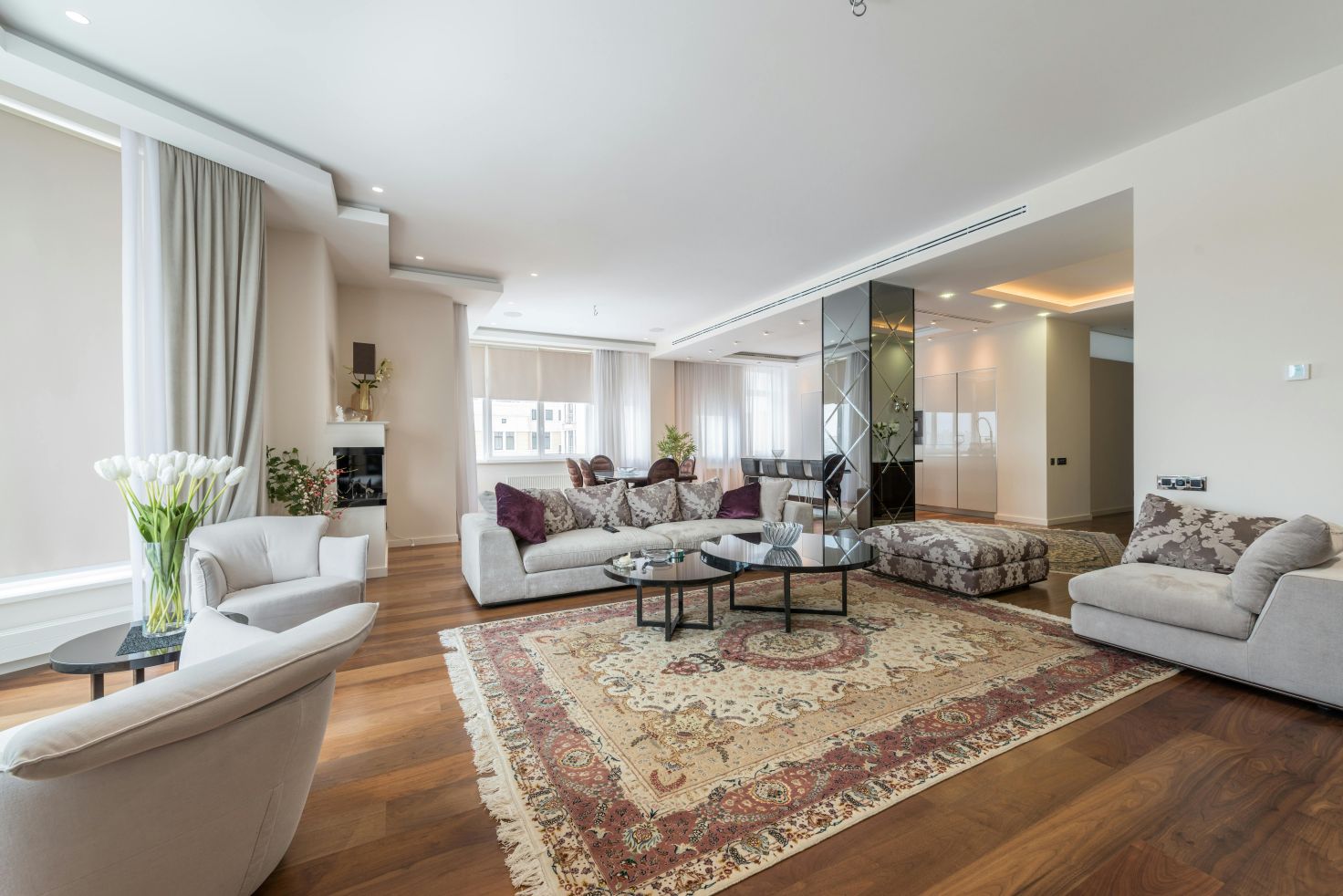
One of the most common frustrations in open-plan homes is visual confusion. Without clear boundaries, even well-designed rooms can look unfinished. Furniture isn’t enough to anchor a space. You might find your seating area drifting or your dining setup feeling disconnected.
This is where knowledgeable local rug and carpet suppliers become valuable. If you’re in Australia, for instance, some Perth rug retailers do more than help you pick the right floor coverings. They can guide you in selecting pieces that match scale, material, and placement.
Trusted sellers understand how area rugs can subtly divide a room without disrupting flow, and they help you choose sizes that align with your furniture layout rather than fighting against it. With the right guidance, what once felt like a scattered space begins to feel cohesive and intentional.
Rugs as Functional Design Anchors
Rugs act like invisible walls in open layouts. They define purpose without closing off space. A large rug under your sofa signals “living area,” while a smaller one beneath your dining table sets that zone apart.
These representations become even more important when considering a home design revamp or a major remodel. Remember that you’re not just choosing décor but also deciding how people move and interact within your home. The texture, thickness, and size of pile rugs influence comfort underfoot, while a well-placed rug pad prevents slipping and adds durability.
Rugs also contribute to noise absorption, which is often overlooked in open spaces. Without walls to contain sound, a room can echo. Layering textiles, especially rugs, softens that effect, making your home feel calmer and more inviting.
Style Choices That Define Each Zone
Choosing the right rug style is where function meets personality. You’re not just zoning—you’re telling a visual story.
Consider these approaches:
- Layering for depth: Place Shag rugs over flat weaves to create contrast in texture. This works well in lounging areas where comfort matters most.
- Pattern coordination: Use subtle links between rugs, similar tones or motifs, to maintain flow across zones.
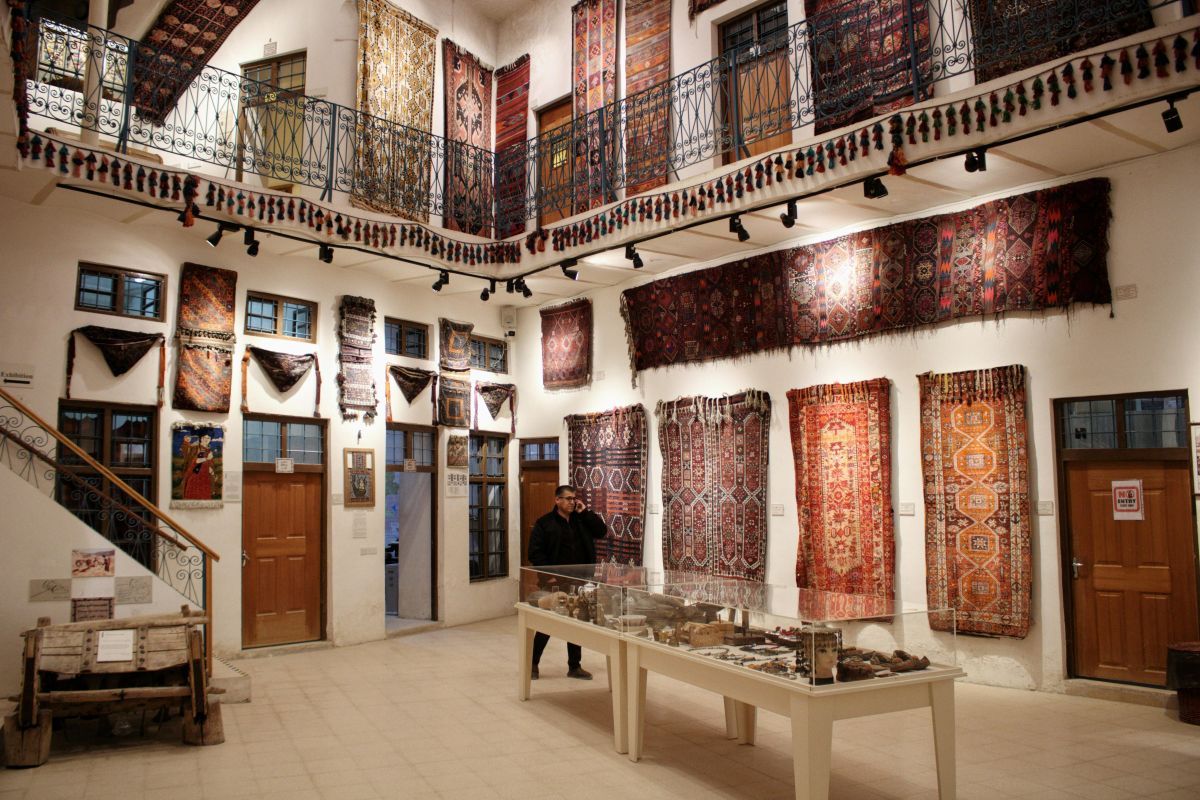
- Statement pieces: A bold design like Anatolian carpets can anchor a main area, while simpler designs support secondary spaces.
Some styles, like hooked rugs or even historical references such as ingrain carpet, bring a vintage charm. Others lean modern, using clean lines and minimal color palettes. You might even notice how certain patterns echo natural elements, reminiscent of sand patterns shaped by wind.
The key is balance. Each rug should define its zone while still contributing to the overall harmony of your home.
Materials Matter More Than You Think
Not all rugs are created equal, and the materials you choose will affect both performance and appearance.
Natural options like wool rugs, silk rugs, and other natural fibers offer durability and richness. Wool, supported by centuries of sheep husbandry, is resilient and naturally stain-resistant. Silk adds sheen and softness but works best in low-traffic areas. Some traditional designs even incorporate goat hair for added strength.
On the other hand, synthetic fibers and synthetic materials are popular for their affordability and easy maintenance. They’re especially useful in high-traffic zones or homes with pets.
Understanding the difference between handmade rugs, including knotted rugs, and machine-made rugs produced by a power loom also matters. Handmade pieces often feature higher knot density, which translates to finer detail and longer lifespan. Machine-made options, however, provide consistency and accessibility.
Practical Care and Longevity
A beautiful rug only works if it lasts. Maintenance doesn’t have to be complicated, but consistency matters.
Start with regular vacuum cleaning to prevent dirt from settling into fibers. For high-quality pieces, especially those made with natural materials or natural dyes, gentle care preserves both color and structure. Rotating rugs occasionally ensures even wear, particularly in busy areas.
If you’re investing in something intricate, like a piece inspired by Turkmen tribespeople or designs dating back to the 13th century, professional cleaning might be worth considering. These rugs are more than décor; they’re crafted objects with history behind them.
A Brief Look at Rug Heritage and Craft
Rugs also carry centuries of human culture. Early examples like the Pazyryk carpet, linked to Scythian nomads, demonstrated intricate craftsmanship dating back to the Bronze Age. Beyond decorating spaces, they reflected survival, identity, and artistry.
As Nomadic people moved along ancient trade routes, techniques evolved. The carpet weaving process became more refined, using warp threads stretched on a vertical loom. Regions developed distinct styles, from the bold patterns of Caucasian rugs to the refined elegance influenced by the Persian Empire and later the Mughal Empire.
Whether you’re considering Persian rugs or Oriental rugs, you’re engaging with a tradition rooted in decorative arts and folk art. Even modern geometric rugs and transitional rugs borrow from these historical influences.
Market Trends and the Future of Rugs
The huge demand for rugs is driving the industry to greater heights. Worldwide, the carpet and rugs market value is poised to reach USD$ 61.77 billion by 2031, a huge bump from this year’s USD$ 49.02 billion projections.
This growth reflects changing lifestyles. Open-concept living continues to dominate, and with it comes a greater demand for versatile, stylish zoning solutions. Consumers are also becoming more informed, seeking better rug education before making purchases. Either way, rugs remain central to how you shape your space.
Bringing It All Together
Zoning an open-concept home doesn’t require walls, but it demands intention. Rugs give you the power to define spaces, guide movement, and add comfort without sacrificing openness.
When you choose thoughtfully, you’re not just decorating. You’re building structure into your home in a way that feels natural and lived in. And once everything falls into place, your space won’t just look better, it will work better, too.
Check Our Best Selling Products:
- Ashley Furniture Laguna Heights Rectangular Aluminum/Resin Wicker Fire Pit Table
- Liberty Furniture Paradise Valley Executive Office Set | Saddle Brown Wood
- Homelegance Milford Faux Leather Chair
- Casamode Modena Polyester Convertible Sofa
- Furniture of America Elpis Fabric/Leatherette/Wood Living Room Set