Windows act as the primary connection between the interior of a home and the outside world. While glass panes provide views and structural integrity, the treatments applied to them dictate the daily experience of a room. Selecting the right window coverings involves more than just picking a color. It requires a balance between functional needs like privacy and the visual impact on a room’s decor.
Selecting the Right Material for Durability
Choosing a material often depends on the specific environment of the room. In areas with high humidity, such as kitchens or bathrooms, moisture resistance is a priority. Many homeowners opt for faux wood because it resists warping and cracking in damp conditions. It provides the appearance of organic textures without the maintenance requirements of sensitive materials.
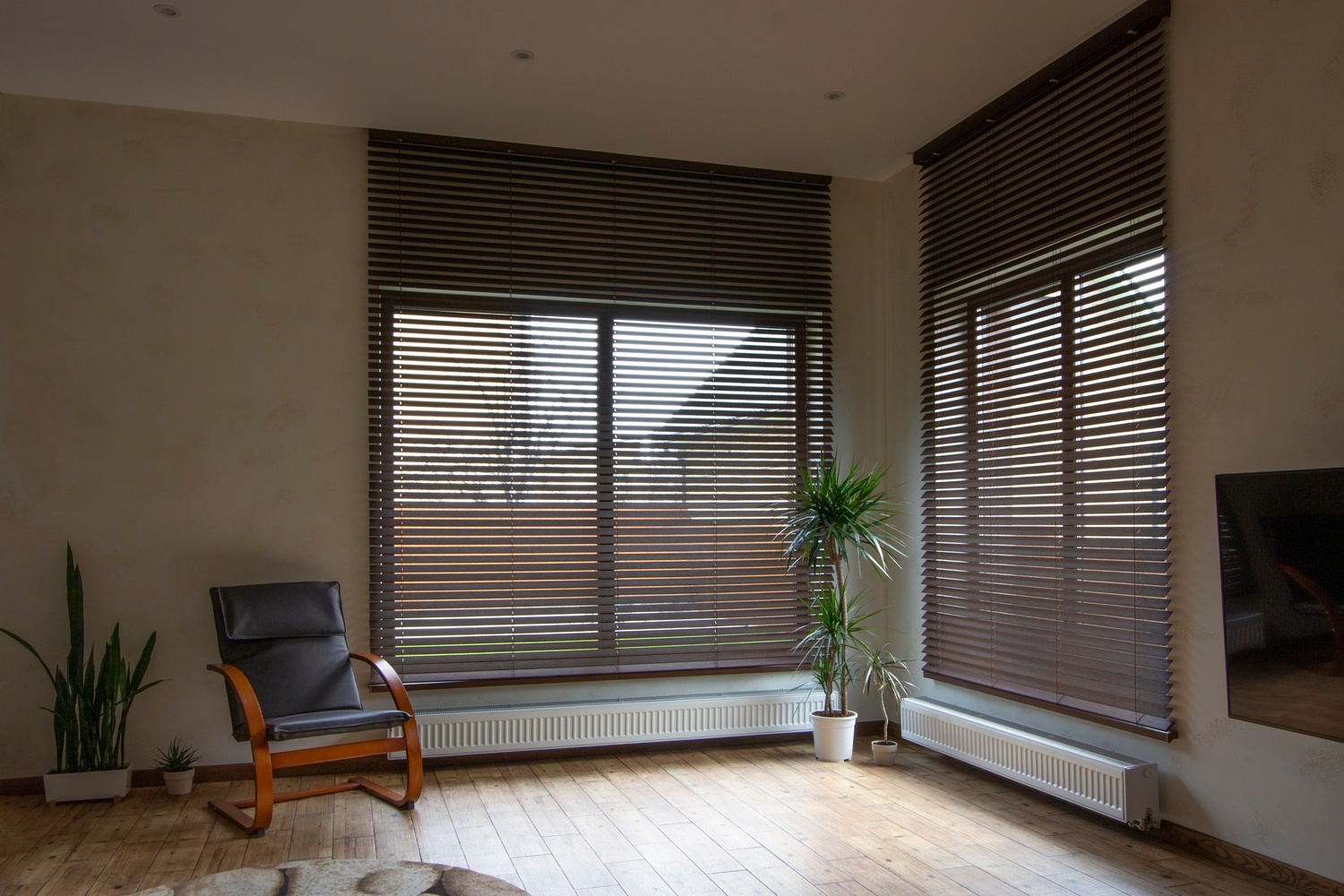
In living areas or bedrooms, natural wood remains a popular choice for those seeking a warm, organic feel. These slats offer unique grain patterns that add character to a space. Beyond aesthetics, the physical build of interior blinds helps manage the internal climate of a house. Heavier materials provide a thicker barrier against the glass, which assists in maintaining consistent indoor temperatures throughout the year.
Managing Light and Privacy
The primary job of any window treatment is to control how much visibility and sunshine enter a building. Different designs offer varying levels of light control. For example, horizontal slats allow users to tilt the angle of the sun, brightening a room while blocking a direct line of sight from the street.
For those who need to sleep during daylight hours or want to eliminate glare on television screens, products with blackout capabilities are effective. These are often designed to fit snugly within the frame to minimize light leakage at the edges. Conversely, sheer options permit a soft glow to enter the room, maintaining a bright atmosphere while still obscuring the view for passersby.
Enhancing Home Performance
Window treatments are active participants in a home’s utility management. Large glass surfaces are often the biggest source of heat gain or loss. By installing shades that provide high energy efficiency, residents can create an insulating layer that traps air between the window and the room. This thermal barrier is a practical way to lower energy bills by reducing the workload on heating and cooling systems.
Additionally, prolonged exposure to direct sunlight can damage interior furnishings. Modern blinds block harmful UV rays that typically cause wooden floors to fade and upholstery to become brittle over time. Protecting these investments extends the life of the furniture and keeps the home looking new for longer periods.
Modern Functionality and Style
The way people operate their window coverings has changed with new technology. While traditional pull cords are still available, a child-safe cordless option has become a standard recommendation for households with toddlers or pets. These systems eliminate dangling loops, making the room safer while providing a cleaner, more streamlined look.
For those interested in home automation, motorized systems allow for remote operation. These can often be integrated into a smart hub device, enabling homeowners to schedule their blinds to open or close at specific times of the day. This is particularly useful for hard-to-reach windows or for simulating presence in the home when the family is away on vacation.
Finding the Perfect Fit
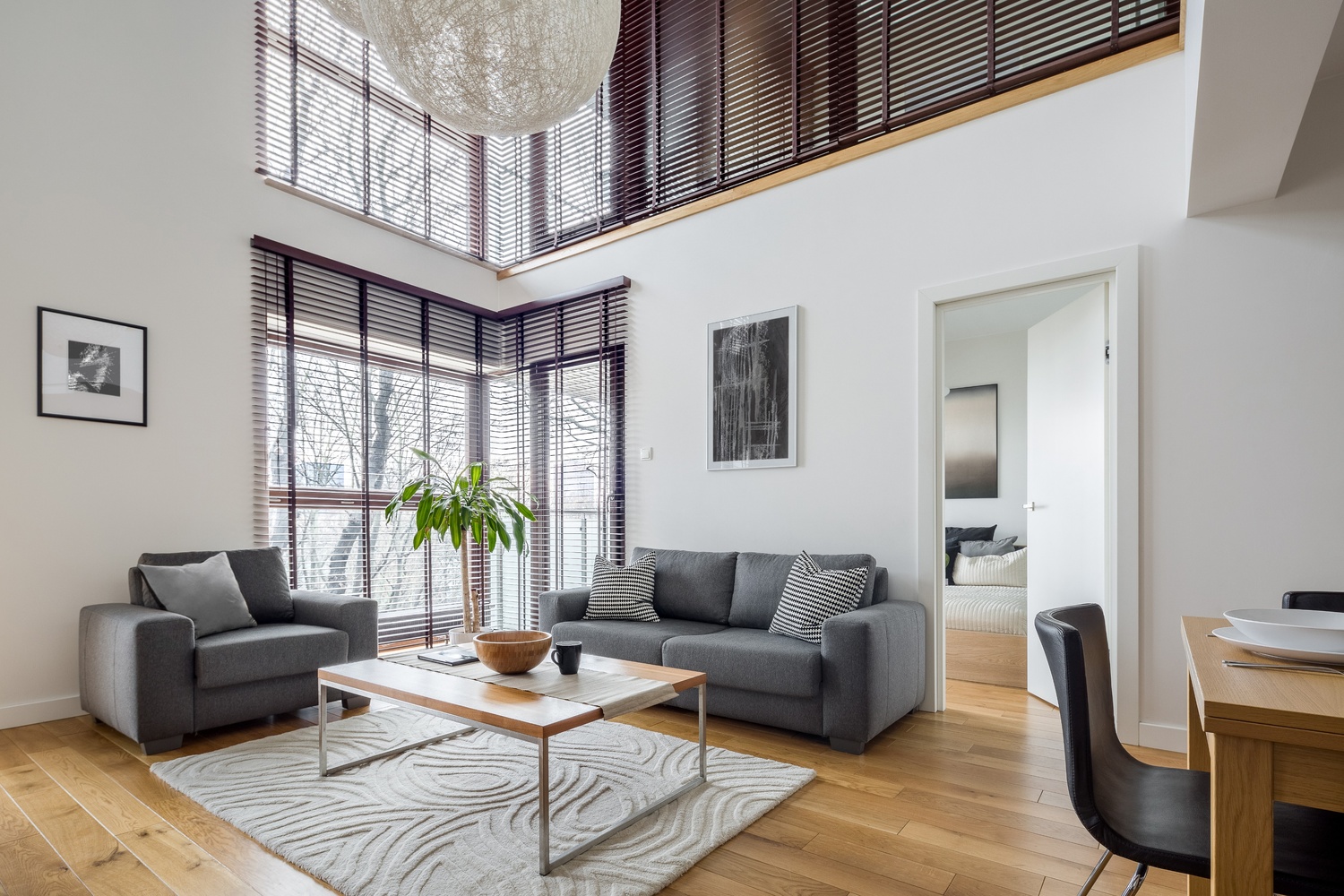
Because homes feature a wide variety of window sizes, off-the-shelf solutions do not always work. Custom-made treatments ensure that there are no gaps for light to peek through and that the hardware operates smoothly. Different styles also suit different window types:
- Roller shades work well for a minimalist aesthetic and take up very little space when fully retracted.
- Vertical options are usually the best choice for sliding glass doors or very wide windows.
- Roman styles add a fabric-heavy, soft texture that mimics the look of drapery.
Investing time in measuring correctly ensures the final product looks professional and functions as intended. A well-fitted blind should feel like a natural extension of the window frame rather than an afterthought.
Conclusion
Updating window treatments is one of the most effective ways to refresh a room without a full renovation. Whether the goal is to improve sleep with better light blockage or to lower utility costs through better insulation, the right choice makes a measurable difference. By considering the specific needs of each room—from moisture resistance to automated convenience—homeowners can create a space that is both comfortable to live in and visually appealing. Direct and simple changes to the windows often yield the most significant improvements in daily home life.
Check Our Best Selling Products:
- Bellona USA Elegant Sleeper Storage Living Room Set
- MDD Office Furniture Linea 65" Small Reception Desk w/Left Counter Top
- NARBUTAS Nova Wood Melamine D27.6" Office Single Desk w/Grommet
- NARBUTAS Nova Wood Rectangular Melamine 8-10-Person Meeting Table with 2 Power Sockets
- Skyler Design Selly L-Shaped Fabric Convertible Storage Sectional Sofa