Many homeowners feel excited when planning a new landscape. Fresh plants, clean walkways, and outdoor seating often come to mind first. Still, the planning stage often gets rushed. When that happens, important details get missed, and problems show up later. A good landscape should look nice, feel comfortable, and stay easy to manage over time.
This article looks at the most common things homeowners forget during landscape planning. Each section explains why these details matter and how small choices affect the yard in the long run. With the right planning, outdoor spaces can stay useful, healthy, and enjoyable for years.
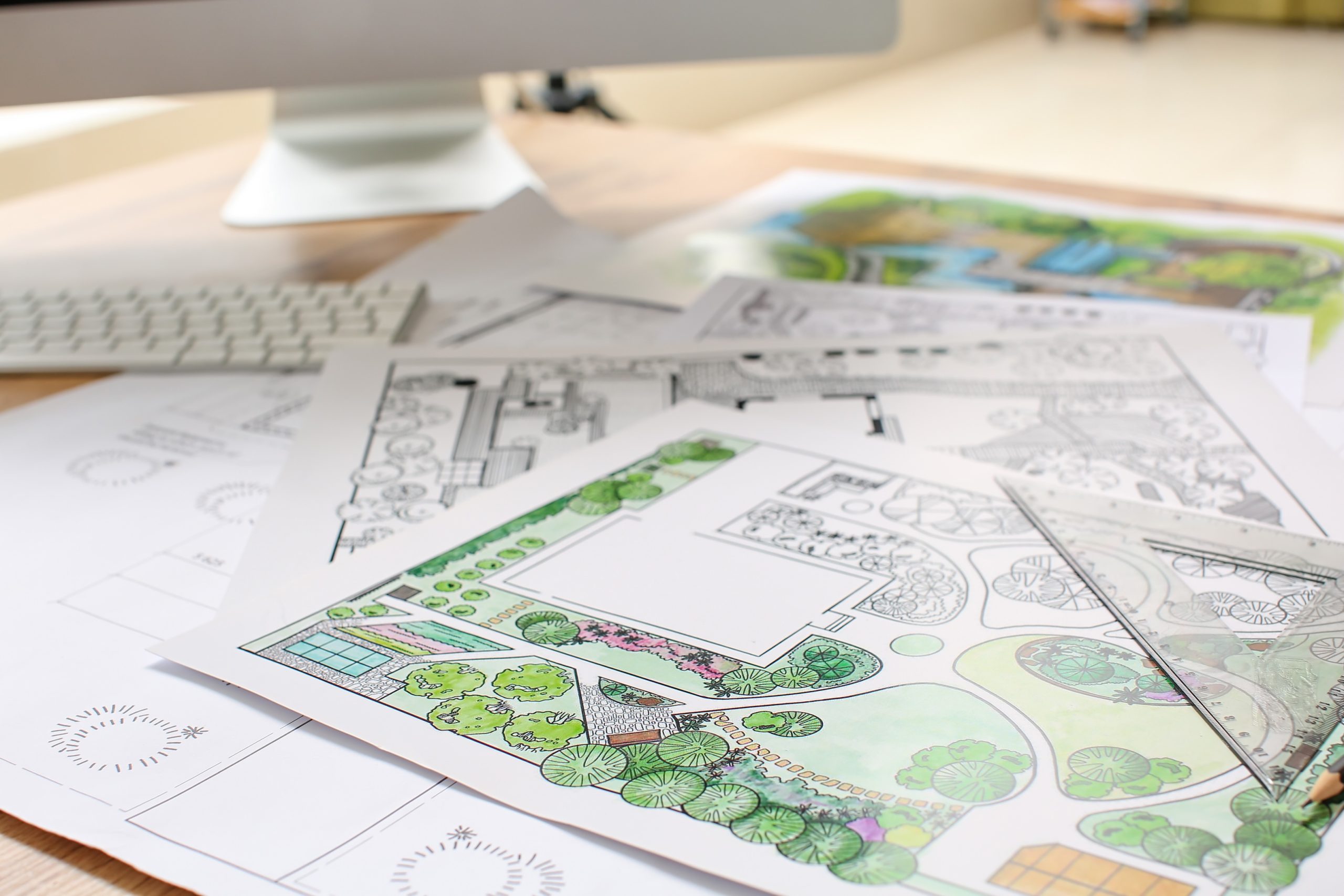
Forgetting to Plan Around Daily Life
A yard should support how people live, not just how it looks. Many designs focus too much on style and forget about daily use. Some families need open space for kids. Others want a calm spot to relax or an area for weekend gatherings.
When use isn’t clear from the start, the layout often feels awkward. A seating area may feel cramped, or a walking path may cut through a space meant for rest. Planning works better when each area has a clear purpose. When the design supports real habits, the space feels easier to enjoy.
Choosing Plants Without Studying the Site
Plants don’t grow well just anywhere. Many homeowners pick plants based on looks without checking site conditions. Sun exposure, soil type, wind, and drainage all affect how plants grow.
When plants don’t match the site conditions, problems follow. Leaves may turn yellow, growth may slow, or plants may die early. Plant health improves when choices match the yard’s natural limits. This is also where professional help can make a difference.
Working with experts in landscape design helps ensure plants are chosen and placed based on real conditions, not guesswork, which saves time and avoids costly mistakes later.
Skipping a Clear Plant List
Some landscapes fail because there’s no clear plant list. Homeowners may buy plants one trip at a time without a plan. This leads to random spacing, mixed styles, and plants that don’t work well together.
A simple plant list keeps things organized. It helps balance colors, sizes, and growth habits. It also makes it easier to avoid overcrowding. When plants are chosen with intention, the yard feels more complete instead of pieced together.
Underestimating Landscape Maintenance Needs
Some yards look great at first but feel hard to manage later. This often happens when landscape maintenance isn’t part of early planning. Certain plants need constant trimming, watering, and cleanup.
Low-maintenance landscapes still look attractive. Native plants and hardy shrubs usually need less care. Mulch, ground covers, and simple layouts reduce weeds and watering needs. When maintenance is planned early, the yard stays enjoyable instead of becoming a chore.
Overlooking Sun and Shade Patterns
Sunlight changes throughout the day and across seasons. Still, many designs ignore these patterns. Seating areas may end up too hot in the afternoon, or garden beds may stay shaded when plants need light.
Watching how sunlight moves across the yard helps avoid this issue. Morning sun feels softer, while afternoon sun feels stronger. Trees and shade structures work best when placed with purpose. When sun and shade feel balanced, both comfort and plant health improve.
Ignoring Drainage and Water Flow
Water problems often stay hidden until damage appears. Poor drainage causes puddles, soil erosion, and stressed plants. In some cases, water may move toward the home and create serious issues.
Every yard has natural water paths. Planning should respect these patterns instead of working against them. Proper grading and permeable surfaces help water move safely away. Good drainage supports healthy roots and protects the yard over time.
Treating the Yard as Separate From the Home
A landscape should feel connected to the house. Many yards feel unfinished because styles don’t match. A modern home paired with random plants often feels out of place.
Design works better when the yard reflects the home’s structure. Clean lines suit modern homes, while softer shapes fit traditional ones. When the yard flows naturally from the house outward, the entire property feels more balanced.
Forgetting About Lighting During Planning
Outdoor lighting often gets added at the last minute. This limits how the space works at night and raises safety concerns. Poor lighting makes paths, steps, and entries harder to use.
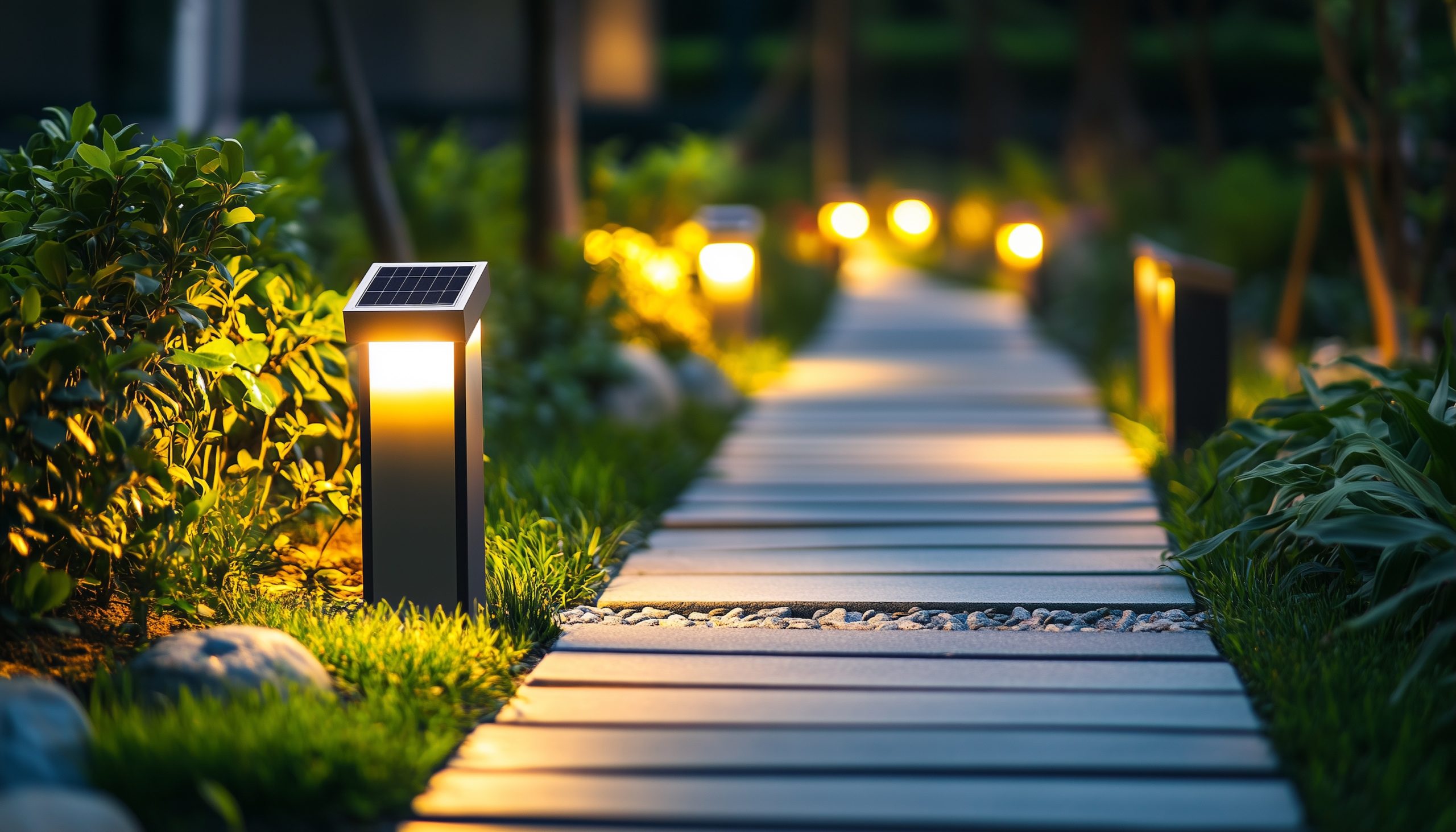
Planned lighting improves comfort and visibility. Path lights guide movement, while accent lights highlight key features. When lighting gets included early, installation feels smoother and the final result looks intentional.
Skipping a Plan for Growth Over Time
Landscapes change as plants mature. Trees grow taller, shrubs widen, and roots spread. Without a long-term plan, yards can feel crowded or messy after a few years.
Thinking ahead prevents these issues. Trees should stay clear of structures and walkways. Shrubs shouldn’t block windows as they grow. Planning for future growth protects plant health and keeps the yard looking open.
Setting an Unrealistic Budget
Budget problems often start during planning. Many designs focus only on installation costs. Ongoing expenses like watering, repairs, and landscape maintenance get overlooked.
A realistic budget supports smarter choices. It helps prioritize what matters most and avoid unfinished work. When costs feel manageable, the planning process stays less stressful and more rewarding.
Conclusion
Landscape design involves more than choosing plants and materials. Daily use, site conditions, and long-term care all shape success. When these details get overlooked, problems show up later. Thoughtful planning leads to healthier plants, easier upkeep, and better use of space. With the right approach, a landscape can improve with time instead of becoming a burden.