Everyone wants a bathroom that works well and looks good. The problem is, most of us assume that achieving that requires a massive renovation budget and a designer on speed dial. It doesn't.
The truth is, a functional bathroom has less to do with how much money you spend and more to do with how smart you spend it. If you're dealing with a leaky tap, poor lighting, or a lack of towel hooks, the same basic principles apply.
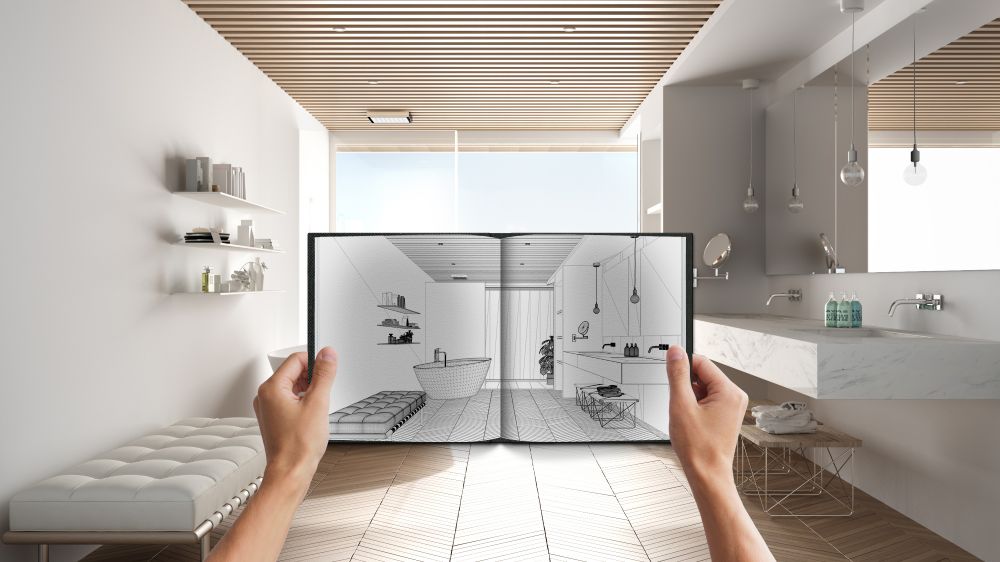
Whether you have a few hundred pounds or a few thousand, you can create a better space. You just need to use your layout well, choose durable materials, and make decisions that serve your daily routine first and Instagram second.
Let's take a look at how to get the best out of your space without overspending:
Find the Right Bathroom Renovation Contractor
Projects that involve plumbing, electrical updates, or moving walls are best handled with professional guidance. An experienced contractor can spot problems you might overlook, especially when it comes to building codes and safety requirements.
That doesn't mean you have to commit to a high-end luxury bathroom project. Even a brief consultation can help you avoid expensive mistakes. Be clear about your goals, timeline, and budget from the start.
When the bathroom is part of a larger home build, the right bathroom renovation experts can help you plan ahead so the space blends well with the rest of the house. Getting the right advice early often prevents small upgrades from turning into costly repairs later.
Think About How You Use the Space
Before choosing finishes or fixtures, take a step back and think about how you use the room. Effective interior design starts with understanding your needs. Is this a master or a busy primary bathroom shared by two people every morning? Or is it a guest space that only sees light use?
If you're updating a master bathroom, double sinks or a better shower system might make sense. For a smaller space, you might focus on improving shower dimensions so it feels less cramped. A clear plan helps you spend where it counts and skip what you don't need.
Prioritize Storage Solutions
Clutter can make even a stylish bathroom feel chaotic. Smart storage doesn't have to cost much. Open shelves, drawer dividers, and wall hooks keep everyday items within reach while keeping counters clear.
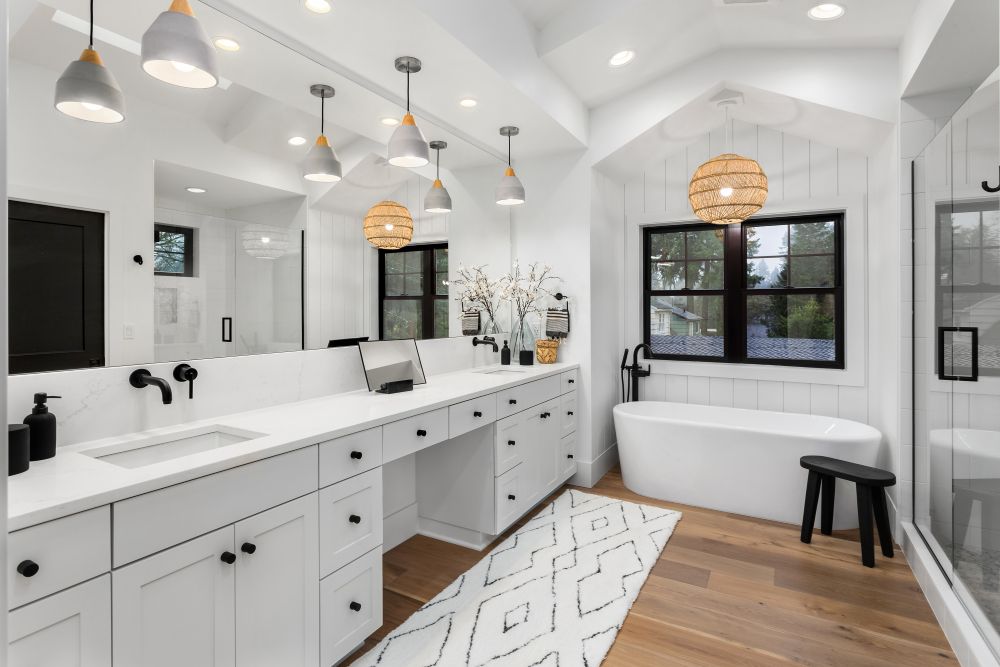
Replacing a vanity is another chance to improve storage. A floating vanity opens up floor space and often comes with drawers for better organization. In smaller areas, built-in niches in the shower or above the toilet add extra storage without crowding the room.
Choose Fixtures Wisely
Fixtures shape how your bathroom feels day to day. A walk-in shower with a simple shower base can be easier to clean than a tub with a curtain. If space allows, a frameless glass door or even a glass wall can make the shower feel open without adding square footage.
You don't need a custom shower to get a clean look. Standard sizes often cost less and still work well. When choosing finishes, think about durability and ease of cleaning rather than chasing trends.
Make Smart Use of Lighting
Bathroom lighting can completely transform your space. A combination of overhead and task lighting works well in most spaces. Recessed lights keep the ceiling clean and bright, while LED strips under a vanity or mirror add gentle illumination for early mornings.
Natural light is another asset. Keep window coverings light or minimal to let the sun in. Placing mirrors across from windows helps reflect light around the room, making smaller bathrooms feel brighter and more open.
Focus on Flooring and Walls
Floors and walls take the most wear, so it's important to choose materials that handle moisture well. Tile floors remain popular because they're durable and easy to clean. When real tile is too costly, alternatives can offer a similar look at a lower price.
For a polished finish, natural stone adds texture without overwhelming the room. Quartz countertops are another practical choice, resisting stains and holding up better over time. Updating cabinet knobs can refresh the space without a full remodel.
Consider Color and Layout
Color has a strong impact on how the room feels. Soft neutrals can make a small space feel open, while deeper shades add warmth and coziness. The right choice depends on your style and the amount of light the room receives.
Revisit your bathroom layout before finalizing plans. Small changes can improve flow and usability. It could be something as simple as moving a mirror or adjusting the swing of a shower door. When redesigning from scratch, double-check measurements so the shower dimensions and vanity placement feel balanced and comfortable.
Add Functional Accessories
Accessories aren't just decorative. They help your bathroom run smoothly. Grab bars near the shower or toilet can improve safety without drawing too much attention. Towel hooks placed at the right height are often more useful than a single bar.
If comfort is important to you, heated floors are an upgrade worth considering, especially in colder climates. You can also explore smart bathroom technology like touchless faucets or a programmable shower system. These features aren't required, but they can make daily routines feel easier.
Conclusion
A functional bathroom doesn't require a massive investment. Smart choices and a clear plan matter much more than a high-end price tag. You don't have to do it all at once. Start with the changes that make your morning routine easier. When every decision serves a purpose, the rest falls into place.