Carpet changes how a room feels before anyone notices the furniture. Color, texture, and shape all pull the eye along the floor, framing everything else in the space. Custom carpets take that effect further, because they respond to the home instead of asking the home to adapt to them. Size, fiber, pattern, and edge details can all match the way people actually live in a room, not just how a showroom displays it.
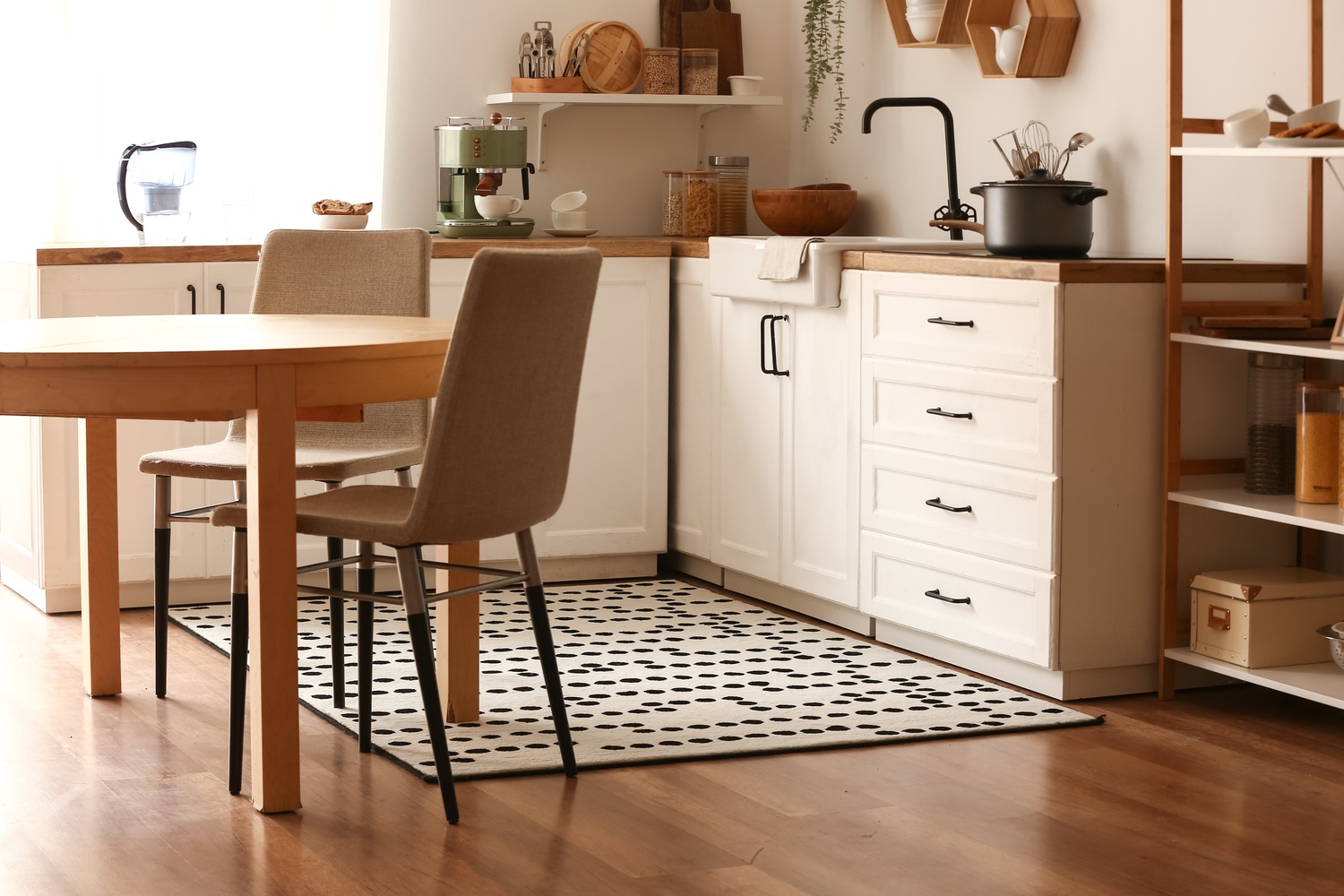
Custom pieces also help solve very practical problems. Odd room dimensions, open-plan layouts, or awkward corners often make standard sizes look off. A tailored carpet can follow the lines of the room, anchor key areas, and link spaces together without feeling forced.
Why Custom Carpets Change How a Home Feels
Most carpet shoppers start with color and size, then quickly realize how limiting standard options can be. A rug that looks great on a website might feel too short under a dining table or too narrow for a living room with generous seating. Gaps around the edges can make a room feel unfinished, while pieces that are slightly too large creep up against fireplaces or doorways.
Custom sizing responds to the layout instead. A custom-sized carpet can stop exactly where it should under a sofa, extend to the right point in a hallway, or sit centered beneath a bed with equal overhang on each side. Proportions feel intentional, which quietly calms the space. Feet land on softness where people actually walk and sit, not in random patches.
Color plays its part as well. A made-to-order carpet can echo a wall tone, pick up subtle shades in artwork, or sit in gentle contrast to timber floors. Even a simple solid piece can shift the mood, warming a cool room or giving a bright interior a more grounded base.
Style, Pattern, and Personality in Custom Carpets
Design freedom is where custom carpets get interesting. Instead of scrolling through endless premade options, people can choose pattern style, motif size, and color rhythm that actually fit their home. Some prefer quiet, tone-on-tone patterns that reveal themselves only on closer inspection. Others enjoy stronger graphic elements that give the room a clear focal point.
Shops that specialize in custom pieces, such as Stan’s Rug Centre and other specialist rug makers, usually offer vast color banks and multiple base constructions. Clients can experiment with subtle shifts in shade, from warm neutrals to saturated accents. Larger rooms often suit patterns that stretch across the floor in wider repeats, while compact spaces look balanced with finer details.
Surface feel matters too. Many studios let people choose from a range of textures, such as tight loop piles, velvety cut piles, or mixed surfaces that catch the light in different ways. Quiet bedrooms often benefit from thicker, softer piles, while high-traffic areas near entries or family rooms might lean toward denser, low-profile constructions that wear more evenly. Custom contemporary carpets can sit comfortably in old homes and new builds alike, since the pattern scale and color story can be tailored to suit the architecture.
Material Choices, Comfort, and Maintenance
Fiber choice shapes how a custom carpet performs day to day. Many homeowners still gravitate toward pure wool because it feels soft underfoot, handles foot traffic well, and springs back after compression. Wool also resists flattening and tolerates regular cleaning when cared for properly. Synthetic fibers come in many forms, often providing stain resistance and consistent color at a lower price point.
Different fibers respond differently to light and wear. Sun-filled rooms may need yarns with better fade resistance, while stairs and corridors benefit from tougher constructions. Loop piles show texture clearly and can handle busy routes, though they work best in homes where pets do not pull at the loops. Cut piles feel plush and welcoming, especially in lounge rooms and bedrooms.
Maintenance habits should match the material. Regular vacuuming keeps grit from settling deep into the pile, and prompt attention to spills helps prevent permanent marking. Rotating loose rugs occasionally can even out wear in areas that receive more traffic. Choosing the right underlay matters as well, since it supports the carpet, softens impact, and can help the pile maintain its shape over time.
Fitting Custom Carpets Into Different Rooms
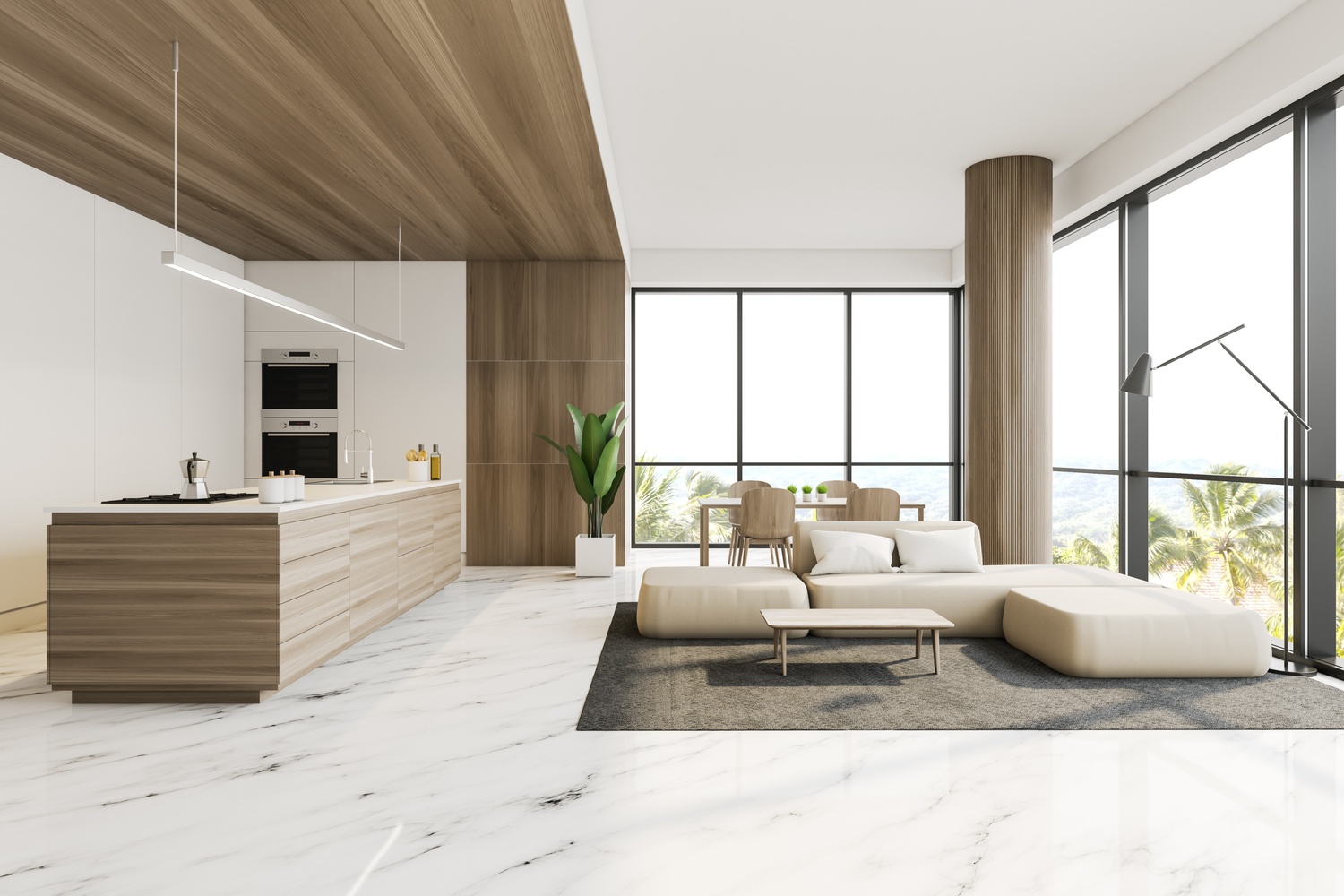
Each room in a home asks for something slightly different from a carpet. Living rooms often use flooring to define a conversation zone. Front legs of sofas and chairs placed on the carpet can connect individual pieces into a single seating area, helping the room feel unified. In open-plan layouts, a large rug can separate a lounge area from a dining space without a physical divider.
Bedrooms usually feel more relaxing when feet land on softness beside the bed. Carpets sized to extend beyond the mattress edges create a comfortable buffer between the bed and the harder flooring. Kids' rooms might call for darker tones or subtle patterns that hide everyday mess, yet still feel calm enough for rest.
Dining spaces benefit from rugs that extend far enough past the chair legs so chairs stay on the carpet when pulled out. Tight, low piles help chairs slide more easily and catch fewer crumbs. Hallways and entries use runners to guide movement and protect flooring, giving guests an immediate sense of how the home flows.
Final Words
Custom carpets give homeowners a way to shape space from the ground up. Dimensions respond to the room’s layout, fiber choices reflect how the space gets used, and pattern decisions echo the personality of the people living there. Homes feel more cohesive when rugs relate directly to the architecture and furniture instead of squeezing into standard sizes.
Thoughtful planning around color, material, and placement helps each piece earn its place. A tailored carpet can soften sound, guide movement, and quietly support daily routines. Comfort underfoot becomes part of the home’s identity, not an afterthought.