Replacing old kitchen counters is one of the first steps people take during a kitchen renovation. The choice between granite, marble, and quartz affects cost, performance, and long-term maintenance. Each surface behaves differently under daily cooking, cleaning, and food prep. Knowing how these materials compare can help you plan a remodel's budget without second-guessing later.
Granite Countertops: Strength and Natural Variability
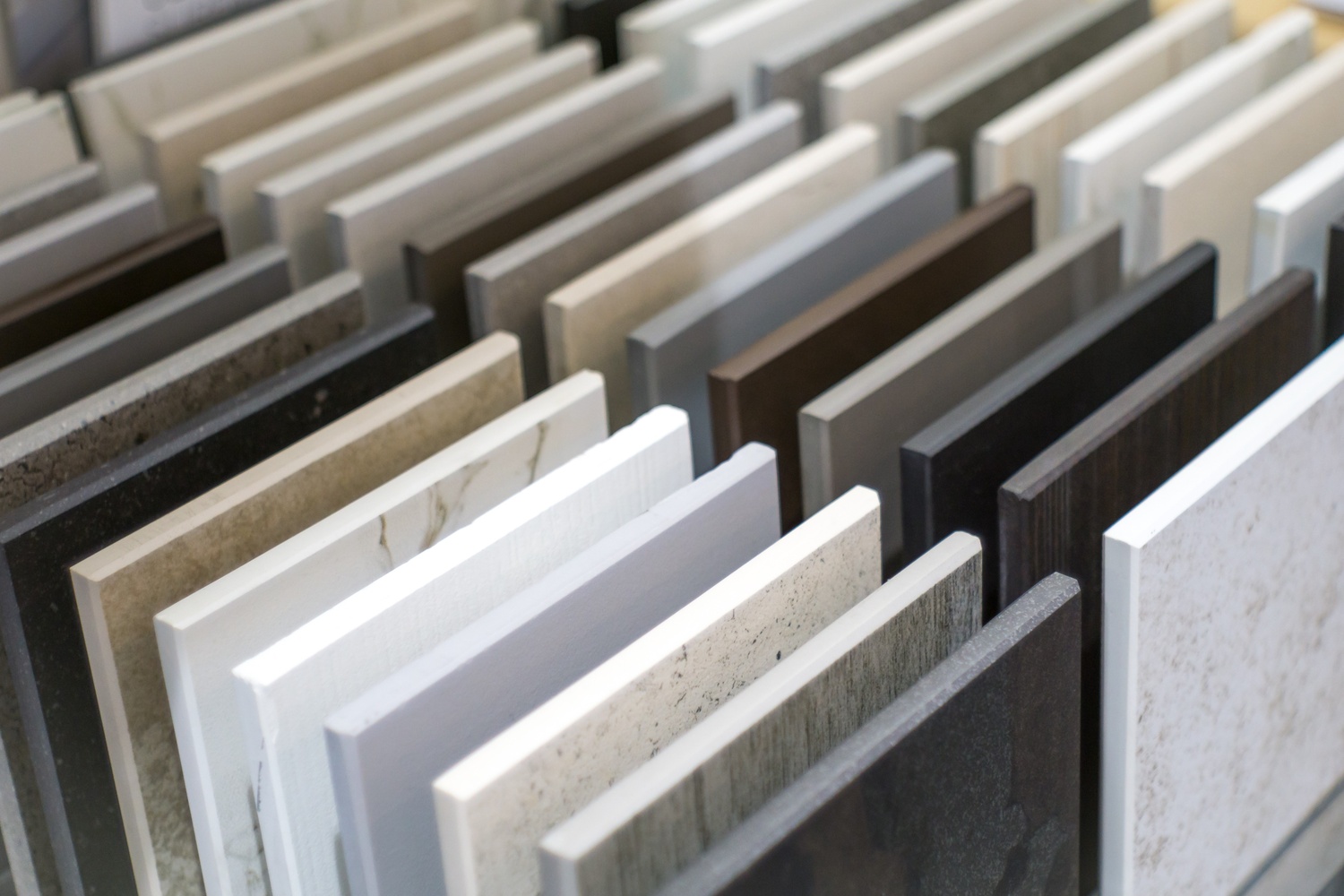
Granite countertops have been a mainstay in kitchens for decades because of their durability and variety of appearances. They are formed from igneous rock created under heat and pressure, which gives them a dense structure and strong heat resistance. Many homeowners browse suppliers like https://affordablegraniteandstone.com/ to view full slabs in different finishes before making a purchase. Buying from a source that shows its inventory upfront allows you to compare countertop options before arranging installation through a contractor.
These stone surfaces hold up well to hot pans, though using a cutting board still protects the finish from scratches and staining. Colors and patterns range from very subtle speckles to dramatic veining, which makes granite a flexible choice for different kitchen design styles. Because the material is mined, no two slabs are exactly alike, and seam matching during installation may require some planning.
Marble Countertops: Classic Appearance and Extra Care
Marble countertops carry a reputation for elegance. Marble is a metamorphic rock formed when limestone transforms under heat and pressure. This geological process creates a softer material than granite, which means it can scratch and etch if acidic foods or harsh cleaners sit on the surface. People drawn to natural beauty and the classic veined look often accept that tradeoff for style.
Cultured marble, made with polymers and resins, tries to mimic the appearance of natural marble while improving stain resistance. It is lighter and less porous, but it does not replicate the same cool touch or depth of real marble. Full slabs of authentic marble are heavier and typically require experienced installers, which can add to installation costs. Homeowners choosing marble should plan for sealing and regular maintenance to preserve its surface over time.
Quartz Countertops: Engineered Consistency
Quartz countertops are usually engineered stone rather than cut directly from quarries. Crushed natural quartz is combined with polymers and resins under controlled manufacturing technology, producing engineered quartz slabs with consistent colors and patterns. These surfaces resist staining and do not need sealing, which reduces long-term maintenance compared with natural stones.
Engineered stone handles spills and daily use better than marble, but still benefits from using a cutting board to prevent surface wear. Because it is not fully natural, it can be produced in shades that mimic granite or marble or in uniform solid tones. Engineered quartz offers predictable sizes, making cost comparison easier when planning kitchen counters.
Performance Factors Beyond Appearance
Selecting a surface for a kitchen remodel is about more than color. Heat resistance, stain resistance, and hardness matter if you cook frequently or host large gatherings. Granite holds up well to hot pans and has strong scratch resistance. Marble can scorch or discolor under direct high heat, while quartz contains resins that may warp if exposed to extreme temperatures.
Resale value can also influence the decision. Many buyers recognize granite and quartz as durable fixture materials that can outlast several style cycles. Marble still signals high-end finishes but may lead to questions about upkeep. Thinking through these factors early can prevent regret once the counters are in place.
Costs and Installation
Each surface sits at a different point on the price spectrum. Granite ranges widely depending on rarity and thickness, and local suppliers sometimes offer discounts on remnants or smaller pieces for islands. Marble, especially imported or rare varieties, can be expensive and adds to installation costs because of its weight and fragility. Quartz pricing tends to be consistent, but engineered stone brands vary, and some premium lines compete with natural marble in price.
Installation techniques differ as well. Full slabs require careful transport and fitting to avoid cracks. Seams must be sealed correctly, and edge profiles can add labor time. Factoring these details into a remodel's budget gives a more realistic picture than looking at per-square-foot material cost alone.
Maintenance and Longevity
Each countertop material requires its own care plan. Granite benefits from periodic sealing to maintain stain resistance and protect against oils and acids. Marble needs even more frequent sealing and prompt cleanup of spills to keep etching to a minimum. Quartz does not require sealing, but harsh chemicals can damage its resins, so gentle cleaners are recommended.
Long-term maintenance shapes how the counters age. Natural stones may develop a patina or small chips over decades, which some owners like for character. Engineered quartz tends to maintain its original finish longer, but cannot be refinished like stone. Deciding how much effort you want to put into care will guide you toward the right material.
Design and Material Coordination
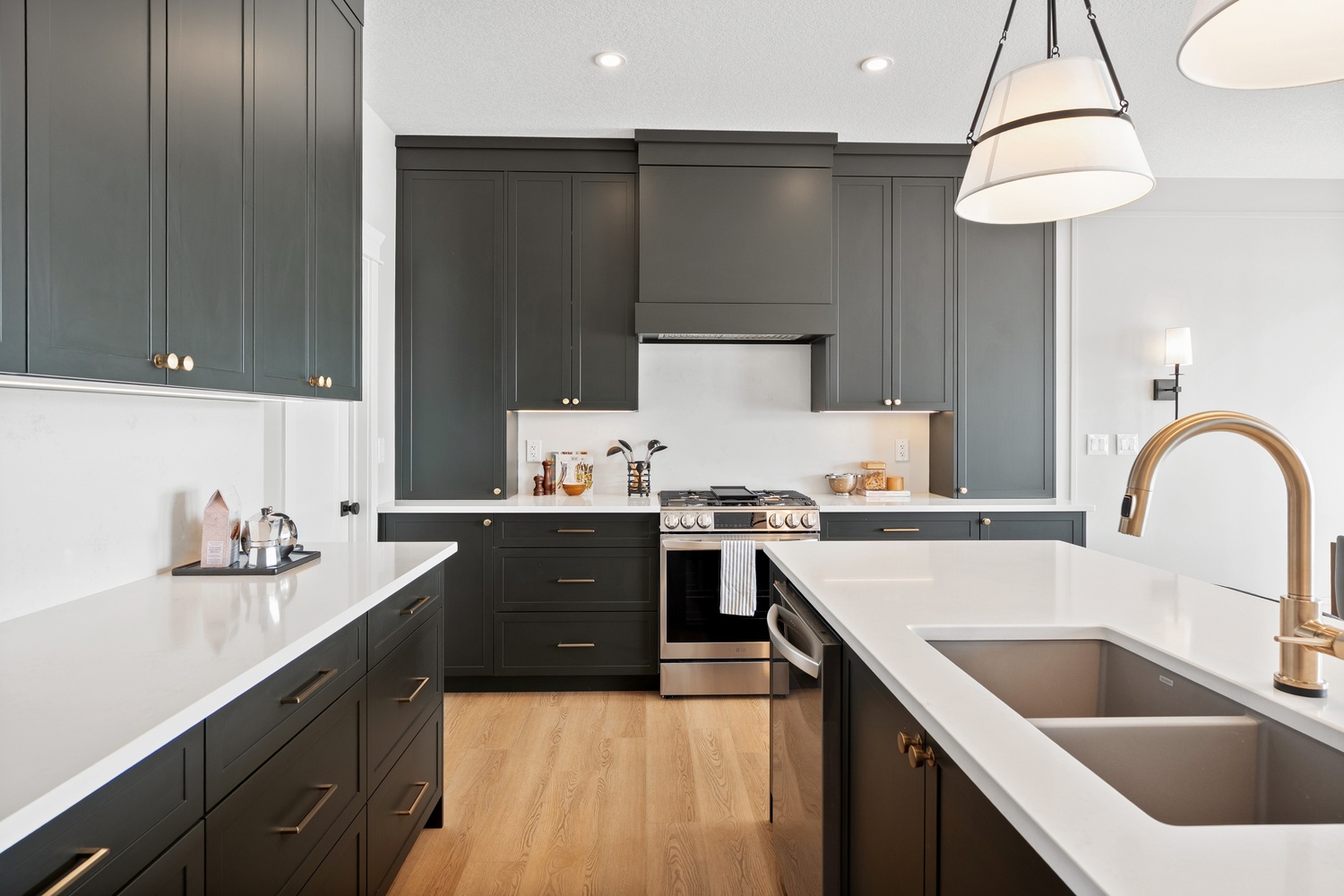
Countertops connect with cabinets, flooring, and backsplashes. Colors and patterns in granite or marble can influence choices in ceramic tiles or fixture materials. Engineered quartz offers a way to create uniformity across large kitchen counters or islands without worrying about veining alignment.
Some homeowners experiment with granite composite sinks or full body tiles to coordinate with their chosen slab. Thinking about how the countertop interacts with lighting, cabinet color, and appliance finishes makes the kitchen design feel intentional. Mixing different stone surfaces in the same space can also work if planned with care, but measuring and ordering at the same time helps avoid a mismatch.
Practical Tips Before Buying
Seeing the material in person is valuable. Photographs can distort color and scale, especially with large patterns. Ask to see full slabs rather than samples when possible. Examine how the material behaves under different lighting since kitchen lighting can affect how colors appear.
Check warranty terms and lead times from suppliers, especially during busy building seasons. Ask installers about their experience with the specific material you choose. Bring cabinet door samples or flooring swatches when visiting showrooms so you can compare directly. Making these preparations helps line up materials, installation schedules, and long-term maintenance plans before demolition starts.
Conclusion
Granite, marble, and quartz each bring different strengths to a kitchen remodel. Granite offers durability and individuality. Marble delivers a timeless look but needs more care. Quartz provides consistency and easy upkeep.
Considering heat resistance, stain resistance, installation costs, and long-term maintenance will point you toward the best countertop materials for your kitchen. Each choice can add value, function, and style if matched to how you cook and live. Taking the time to compare materials side by side helps make a decision that lasts through everyday use and future trends.