Flooring sets the foundation for every space. It influences how a room looks, feels, and functions day after day. The right flooring enhances comfort, supports daily activity, and completes a design with personality. In this guide, you’ll learn how to select the best flooring products, prepare for installation, and solve common flooring challenges to create spaces that last.
How Flooring Shapes the Look and Feel of a Space
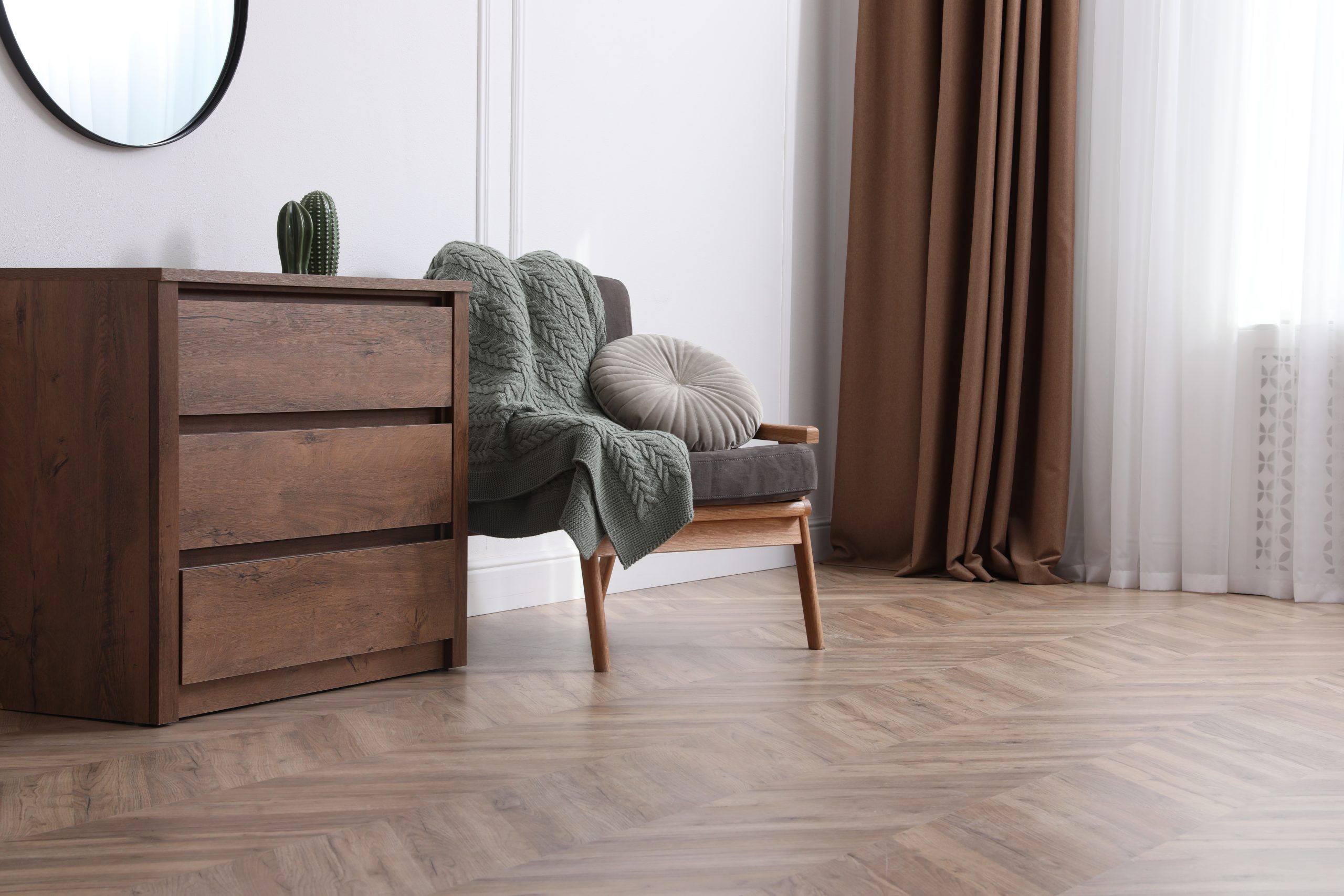
The floor is one of the first design elements people notice when entering a room. Its color, texture, and finish define the mood and tie other design features together.
Different rooms call for different needs. Kitchens and hallways need strong, easy-to-clean materials. Softer floors like carpet or cork add comfort to bedrooms and family areas. Many homeowners, however, find it hard to compare so many styles, finishes, and installation options on their own. Visiting flooring specialists like Carpet Call can help simplify the process by letting you explore materials in person and get expert advice tailored to your space.
Color also plays a part in perception: light floors make small rooms look larger, while deeper shades add warmth and intimacy.
Selecting from today’s variety, such as vinyl, hardwood, stone, resilient, bamboo, or cork, lets you balance beauty and practicality for each space.
Exploring Flooring Options for Every Style and Need
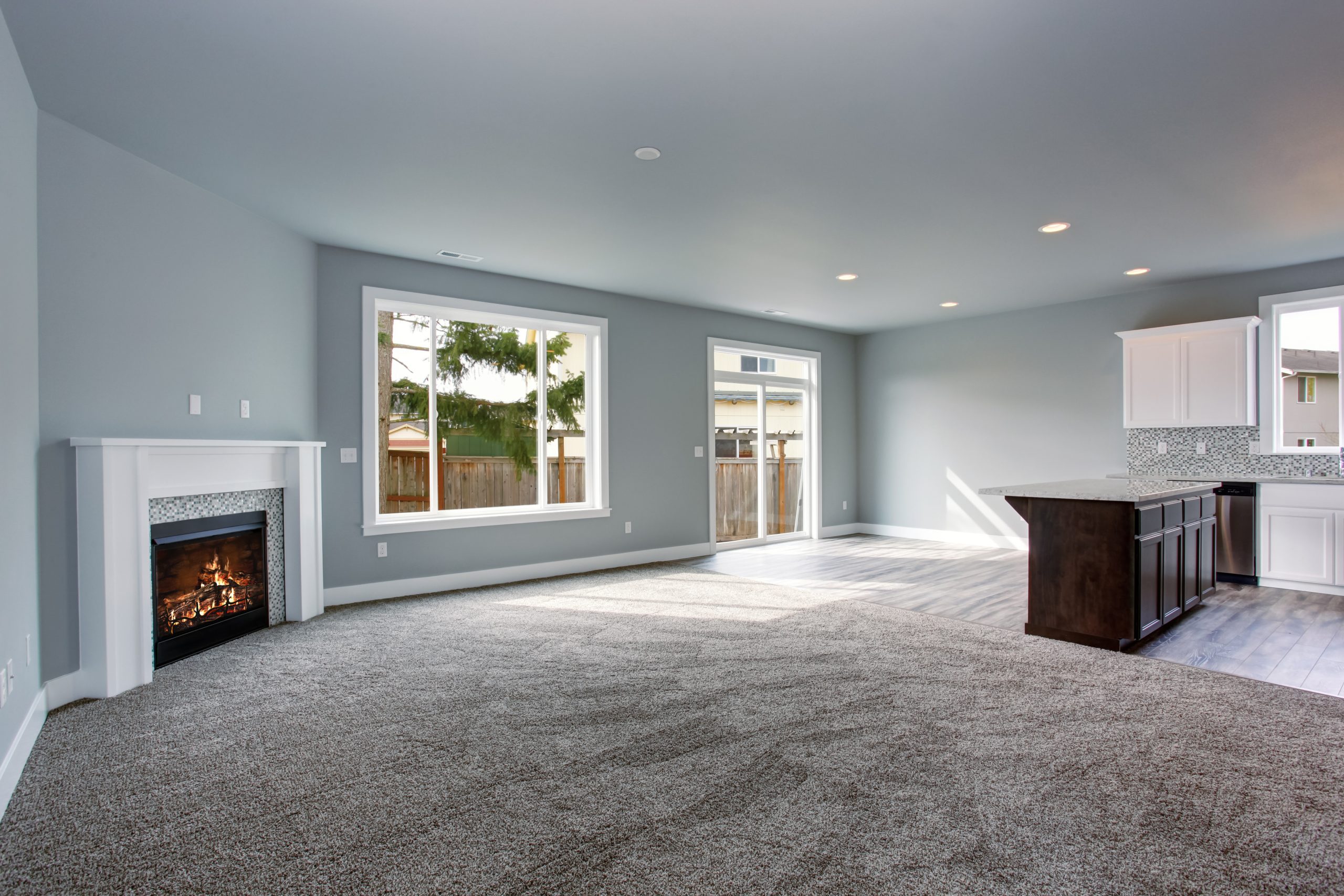
Each flooring type offers unique benefits in appearance, durability, and maintenance. Knowing how they differ helps narrow your choices.
Vinyl Flooring
Vinyl flooring remains a practical favorite for both homes and commercial flooring projects. It’s waterproof, affordable, and available in styles that mimic wood or stone. Modern click-lock systems make installation quick and mess-free.
Hardwood Flooring
Hardwood never goes out of style. Solid hardwood provides long-term durability, while engineered hardwood offers better stability in humid climates. A wirebrushed surface adds character and soft texture.
Although hardwood needs occasional care, its timeless beauty and ability to blend with any interior design make it a lasting investment.
Resilient and Waterproof Flooring
Resilient flooring, including luxury vinyl tile (LVT) and hybrid planks, withstands heavy use and frequent cleaning. These products resist scratches, stains, and spills, which makes them ideal for entryways, living rooms, and open-plan areas.
They combine durability with design flexibility, giving you the look of natural materials without demanding maintenance.
Carpet Tile and Area Rugs
Carpet tiles add softness and help define zones in a room. They’re simple to replace if one piece becomes worn or stained. Area rugs bring color and sound absorption while visually separating spaces like living and dining areas.
Used together, carpet tile and rugs balance texture and warmth in both modern and traditional interiors.
Stone, Bamboo, and Cork Flooring
Natural materials create a strong design statement. Stone flooring such as slate or marble adds durability and elegance. Bamboo provides a sleek, renewable option, while cork offers cushioning and quiet underfoot.
These eco-friendly surfaces blend style with sustainability, making them ideal for homeowners who value natural design.
Preparing for a Flawless Installation
The right preparation ensures your chosen floor performs well and looks its best for years.
Color Palettes and Size Configurations
A well-matched color palette brings visual harmony. Neutral tones blend easily with changing décor, while bold shades highlight architectural details. Tile or plank size also shapes perception: large pieces make rooms appear more open, while smaller formats add depth and rhythm.
Sub-Floor Preparation and Installation Essentials
Before installation, check that the sub-floor is clean and level. Use sub-floor preparation products to fill uneven areas. For tile or stone, apply grout sealer to protect against moisture and stains. Stair treads can improve safety and give a polished, consistent finish across levels.
Taking time to prepare prevents future movement or squeaks and helps the floor stay solid for years.
Smart Tools and Fixes for Common Flooring Challenges
Some issues, like uneven subfloors or humidity changes, can make installation tricky. Planning and the right tools help you avoid them.
Start by using a floor design tool to preview materials, layouts, and color combinations. It helps visualize the final result before buying. For problem areas, waterproof membranes or leveling compounds can help correct moisture or height differences.
If you’re working with premium materials such as stone or engineered hardwood, professional installers can ensure cleaner lines and longer-lasting results. Their precision often prevents costly adjustments later.
Conclusion
Choosing the right flooring transforms more than a surface. It reshapes how a room feels and functions. Vinyl offers versatility, hardwood adds timeless charm, and natural options like bamboo or cork bring sustainability. With the right preparation and materials, your floor can stay beautiful and durable for years. Smart design choices today lead to spaces that feel complete, comfortable, and truly your own.