The modern home is a hub of technology, comfort, and personal values. Increasingly, homeowners are seeking ways to integrate sustainability seamlessly into their daily lives, enhancing their living spaces while reducing environmental impact. At the forefront of this movement are advanced solar power innovations, which have evolved far beyond simple rooftop panels. Today's solar technology offers integrated design, intelligent energy management, and unprecedented aesthetic flexibility, truly enabling a transformation in how homes are powered and experienced.

Here's how you can transform your living space with solar power innovations:
Beyond the Rooftop: Architectural Integration
The classic image of solar panels mounted on your roof is rapidly becoming one of many options. Contemporary solar innovation prioritizes integration, allowing technology to blend with architectural design rather than compete with it. Solar shingles and tiles can exemplify this shift. These products, such as those offered by leading manufacturers, are designed to mimic traditional roofing materials like slate or terracotta while generating electricity. They form the actual weatherproof roof surface, creating a sleek, uniform appearance that enhances your home’s curb appeal. This level of sophistication requires precise engineering and design, underscoring the importance of a professional residential solar installation to ensure structural integrity and optimal performance.
Furthermore, building-integrated photovoltaics (BIPV) are expanding possibilities. Solar technology can now be incorporated into facades, balcony railings, and even windows. Transparent solar panels, while still emerging, can promise a future where every sun-facing glass surface can contribute to your home's energy needs. This evolution from an add-on to a fundamental building component can mark a significant step in transforming your living spaces into active, energy-producing assets.
The Intelligent Core: Smart Energy Management
Generating solar power is only one part of the equation. The true transformation of your living space occurs when that energy is managed with intelligence and precision. Modern solar systems are paired with sophisticated energy management systems and smart home technology, creating an interconnected energy ecosystem.
Central to this are smart inverters and energy monitoring platforms. These systems can provide real-time data on energy production and consumption through user-friendly smartphone apps. You can observe your home energy heartbeat, identify which appliances are the largest consumers, and optimize usage patterns. This intelligence extends to automated control, where systems can intuitively shift high-energy tasks, like running pool pumps or charging electric vehicles, to peak solar production hours.
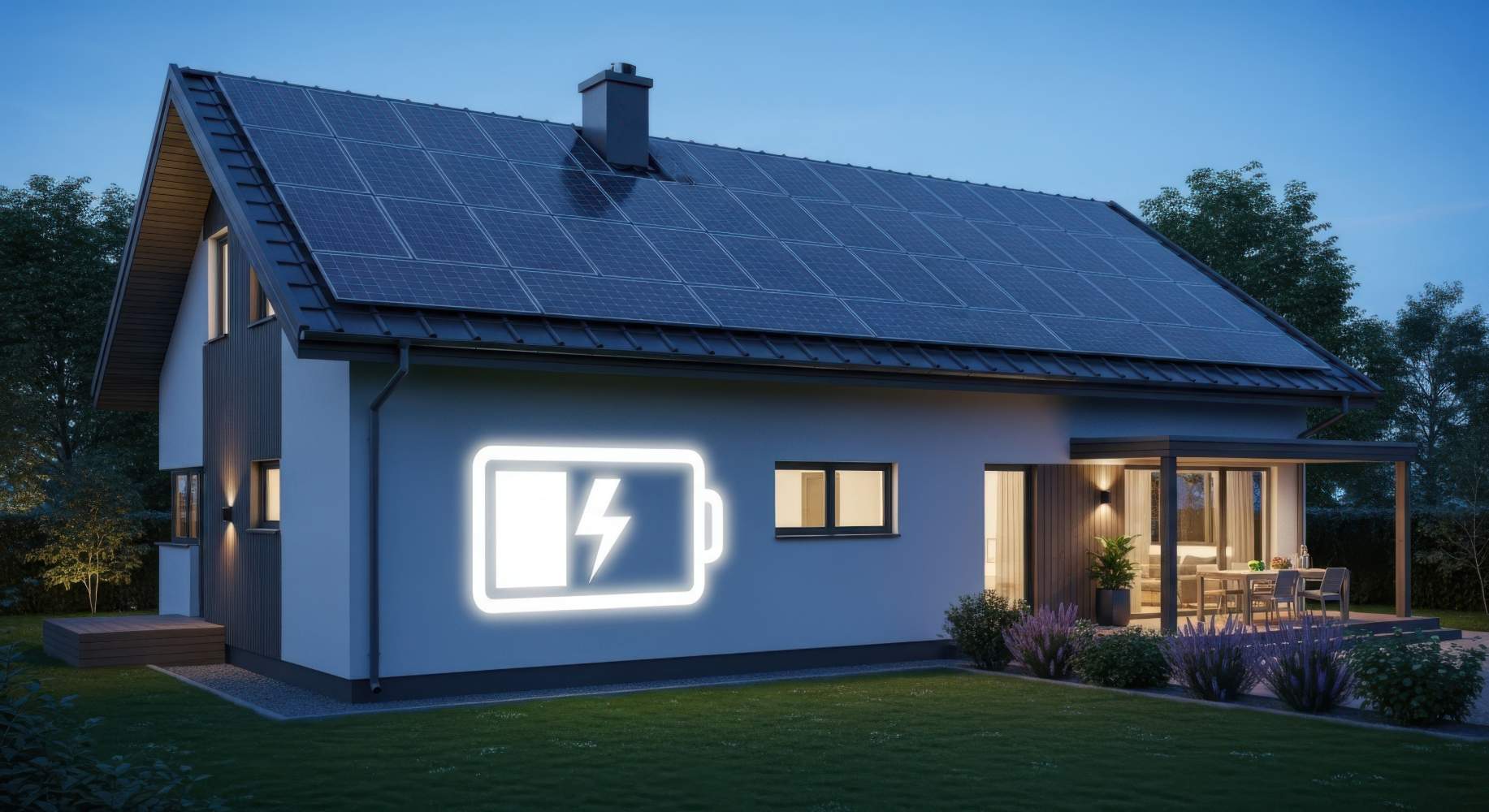
The integration of home battery storage is a gamechanger. Batteries store surplus solar energy generated during the day for use at night or during grid outages, dramatically increasing energy independence. This can help create a resilient living space, safeguarded against power fluctuations, and capable of operating self-sufficiently.
Enhancing Comfort and Value
Solar innovations can directly enhance daily comfort and long-term property value. A solar-powered home, especially one with battery storage, maintains consistent power for critical systems like refrigeration, lighting, and climate control during outages. This reliability can transform your home into a secure haven. Moreover, the reduction or elimination of monthly electricity bills can provide financial comfort and predictability, shielding your household from volatile energy prices.
From a property perspective, solar installations are increasingly viewed as valuable home upgrades, similar to a renovated kitchen. It’s believed that homes with solar panels sell faster and at a premium compared to non-solar homes. This perceived value reflects a growing market recognition of the economic and environmental benefits of solar-powered living.
Aesthetic and Functional Synergy
Today's market offers solutions for nearly every architectural style and homeowner preference. If you prefer a more traditional look, all-black monocrystalline panels with sleek framing offer a low-profile, modern appearance. The solar shingles cater to historic districts or homes with specific aesthetic mandates. Even standard panel systems now feature streamlined mounting hardware that sits flush against the roof, minimizing visual disruption.
This synergy extends to outdoor living spaces. Solar-powered patio lights, outdoor security systems with solar cameras, and solar water features require no complex wiring, allowing for flexible landscaping and enhanced outdoor enjoyment. Solar canopies and pergolas can provide shaded areas for cars or entertainment spaces while generating power, beautifully merging form and function.
The Path to a Transformed Home
The journey to transforming your living space with solar energy begins with careful planning and expert consultation. Key steps include a thorough site assessment to evaluate roof condition, orientation, and shading. Understanding local utility policies, such as net metering, which credits homeowners for excess power fed back to the grid, is also crucial. Financial incentives and potential local rebates can significantly improve the economic viability of a solar project.
Moreover, choosing a reputable, certified installer is paramount. A qualified professional will navigate permits, optimize system design for maximum production, and ensure all electrical work meets stringent safety codes. Their expertise extends to enhancing overall energy efficiency through precise system sizing and placement, ensuring the home consumes less power while generating more. This level of craftsmanship reflects the solar industry's commitment to innovation, where advances like solar windows and integrated solar energy storage are becoming viable complements to traditional panels.
By considering your home's unique building design, a skilled installer ensures that every component works in harmony with the architecture rather than against it. The result is a seamless integration of technology that has been operating reliably for decades.
Conclusion
Solar power innovation has fundamentally redefined the relationship between your home and its energy source. No longer just a utilitarian addition, solar technology offers a pathway to create a living space that is more autonomous, intelligent, resilient, and valuable. By keeping the information mentioned above in mind, you can craft a home that actively contributes to a sustainable future while providing tangible benefits today.