Electricity is one of those things most homeowners take for granted right up until the moment they can't. A tripped breaker, a flickering light, an outlet that suddenly goes dead. When that happens, the reaction is usually the same: a moment of confusion followed by a frantic search for someone to fix it. But a basic understanding of how electricity works in your home makes you a fundamentally more capable, more confident person to live there.
You don't need a degree in electrical engineering to benefit from this knowledge. You just need enough to ask the right questions, spot warning signs early, and understand what's happening inside your walls.
Your Home Has a System, and It's More Logical Than You Think
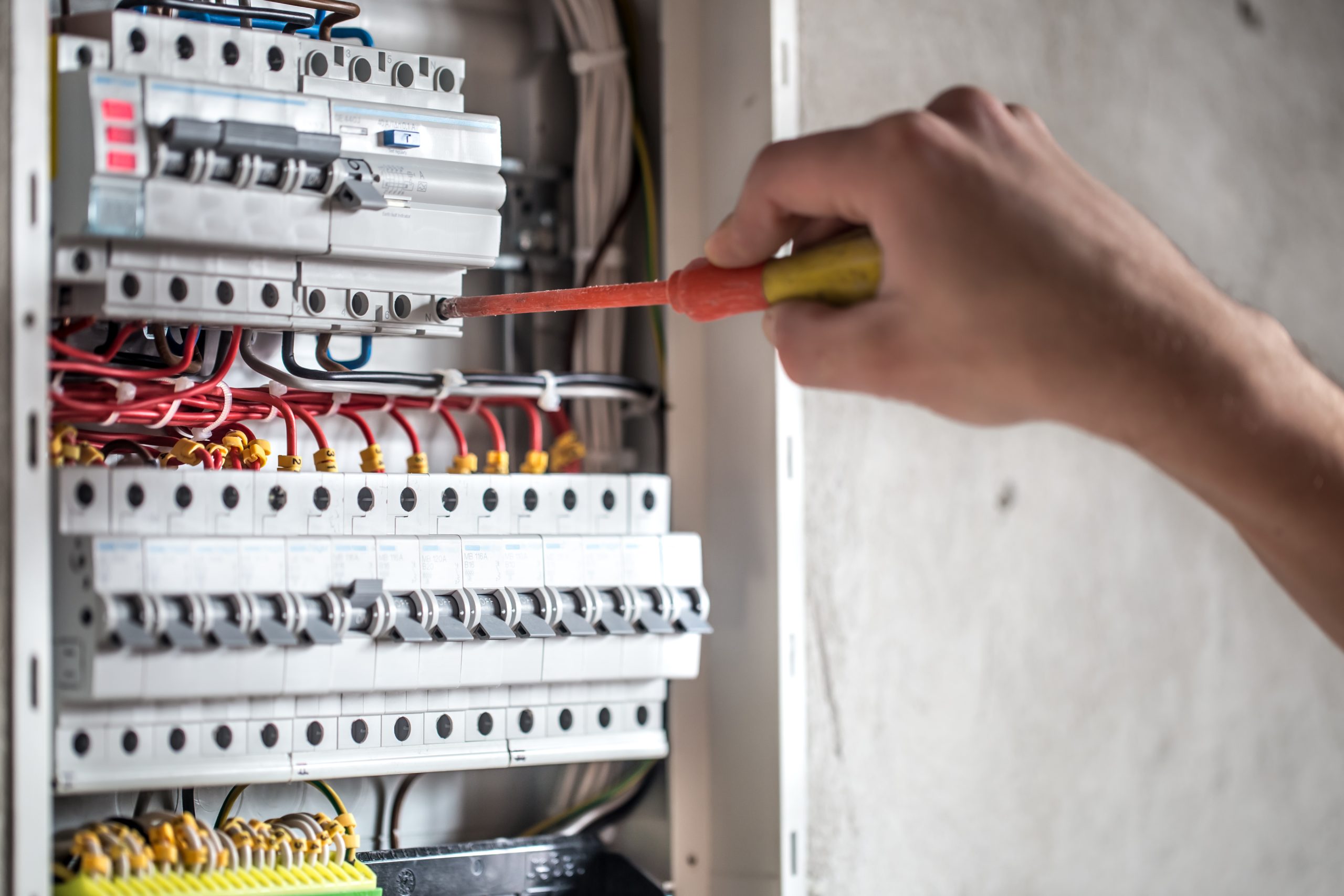
Every home runs on an electrical system made up of interconnected circuits. Think of it like plumbing, but for energy. Power comes in from the grid, passes through your main panel, and splits off into individual circuits that serve different areas or appliances.
Each of those circuits has a circuit breaker, which is essentially a safety valve. When too much current flows through a circuit, the breaker trips to prevent overheating or fire.
Understanding this basic layout helps you make smarter decisions every day. You'll know why you shouldn't run a space heater and a microwave on the same circuit. You'll understand why a voltage drop might cause your lights to dim when the washing machine kicks in. And you'll know which breaker to check, and reset safely, without guessing.
Electrical safety starts with this kind of foundational awareness. Resources from professionals like Martin & Co Electrical regularly cover these everyday scenarios in practical terms, breaking down concepts that can help homeowners make sense of what's happening in their own homes.
Knowing the Difference Between a Minor Issue and a Real Problem
This is where basic electrical knowledge pays dividends. Not every electrical issue is an emergency, but some very much are. A homeowner who understands the signs of electrical faults, like frequent breaker trips, warm outlets, burning smells, or flickering lights under load, knows when to call a licensed electrician immediately versus when something is likely benign.
Take ground fault circuit interrupters, or GFCIs, for example. These are the outlets with the small reset buttons you typically find in bathrooms, kitchens, and outdoor areas. They're designed to detect small imbalances in current flow and cut power instantly to protect against electric shock.
If a GFCI keeps tripping, a knowledgeable homeowner won't just reset it repeatedly. They'll recognize it as a signal worth investigating.
Similarly, understanding circuit protection helps you appreciate why certain appliances need dedicated circuits, and why daisy-chaining power strips is genuinely risky, not just a vague warning on a label.
Reading Your Home's Electrical Behavior
Electricity is consistent. It follows rules, including Ohm's law, which relates voltage, current, and resistance in predictable ways. When something in your home starts behaving inconsistently, that's information.
A light that dims when another appliance turns on might suggest a shared circuit that's nearing its load limit. An outlet that delivers less power than expected could indicate wire connections that have loosened over time.
You don't need to run calculations or pull out a digital multimeter to benefit from this awareness. You just need to recognize that your electrical system is communicating something. That recognition is the difference between a homeowner who ignores a slow-developing problem and one who catches it before it becomes a hazard.
It also helps to understand how alternating current works in a residential setting. The electricity in your home runs as AC power, meaning the current reverses direction many times per second.
This is why the safety standards around wire connections, insulation, and circuit components matter so much. The energy moving through your walls is not static. It behaves in ways that, without proper circuit protection, can cause serious damage.
Making Better Decisions When Hiring Professionals
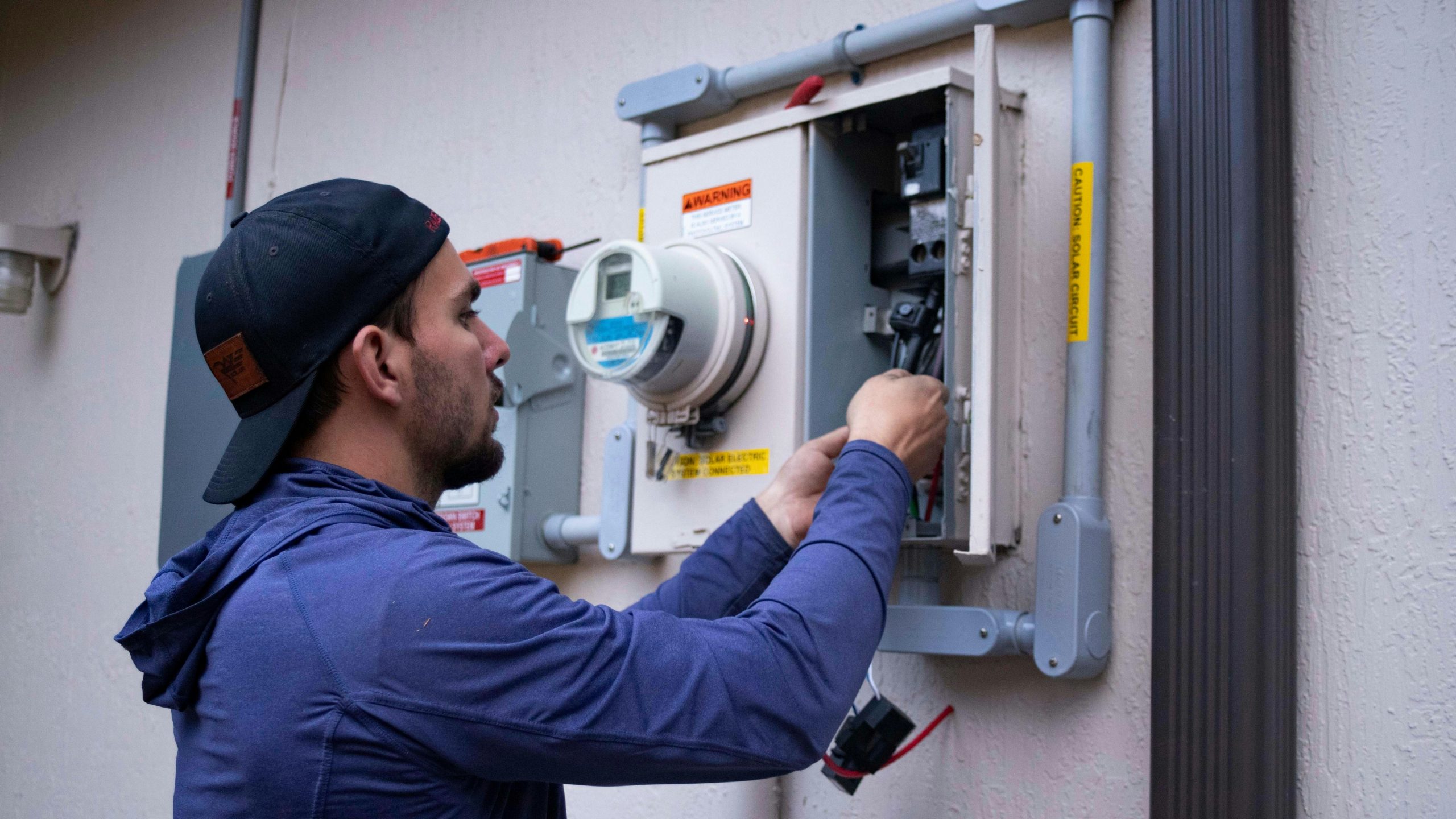
One underrated benefit of electrical knowledge is how it changes your relationship with tradespeople. When you understand terms like parallel circuit, electrical codes, or voltage rating, you can have a more informed conversation with an electrician. You can ask better questions, understand the scope of work being proposed, and evaluate whether a quote reflects what needs to be done.
This doesn't mean becoming skeptical of professionals. It means being a better client, one who understands why certain work requires permits, why upgrading an old panel matters for a modern home's power system, and why solar power integration, for instance, involves more than just panels on the roof.
A Smarter Homeowner Is a Safer One
There's a direct line between understanding your home's electrical system and keeping your family safe. Knowing the basics helps you recognize when to act, when to wait, and when to absolutely step back and call someone qualified. That judgment, grounded in real knowledge rather than guesswork, is what separates reactive homeowners from proactive ones.
You don't have to know everything. But knowing enough changes everything.