Your home’s heating, ventilation, and air conditioning (HVAC) system is always on the job, making sure your space stays cozy and comfortable no matter the season. But like any complex machinery, it can develop issues over time. Ignoring early warning signs often leads to bigger problems—higher energy bills, uneven temperatures, or even complete breakdowns. Recognizing when your HVAC system needs attention can save you money, extend its lifespan, and ensure your family’s comfort.
So, how do you know when your HVAC system is crying out for attention? What are the telltale signs that it's time to call a professional? This comprehensive guide will walk you through the most common indicators that your home's heating and cooling system needs professional repair or maintenance.
1. Unusual Noises
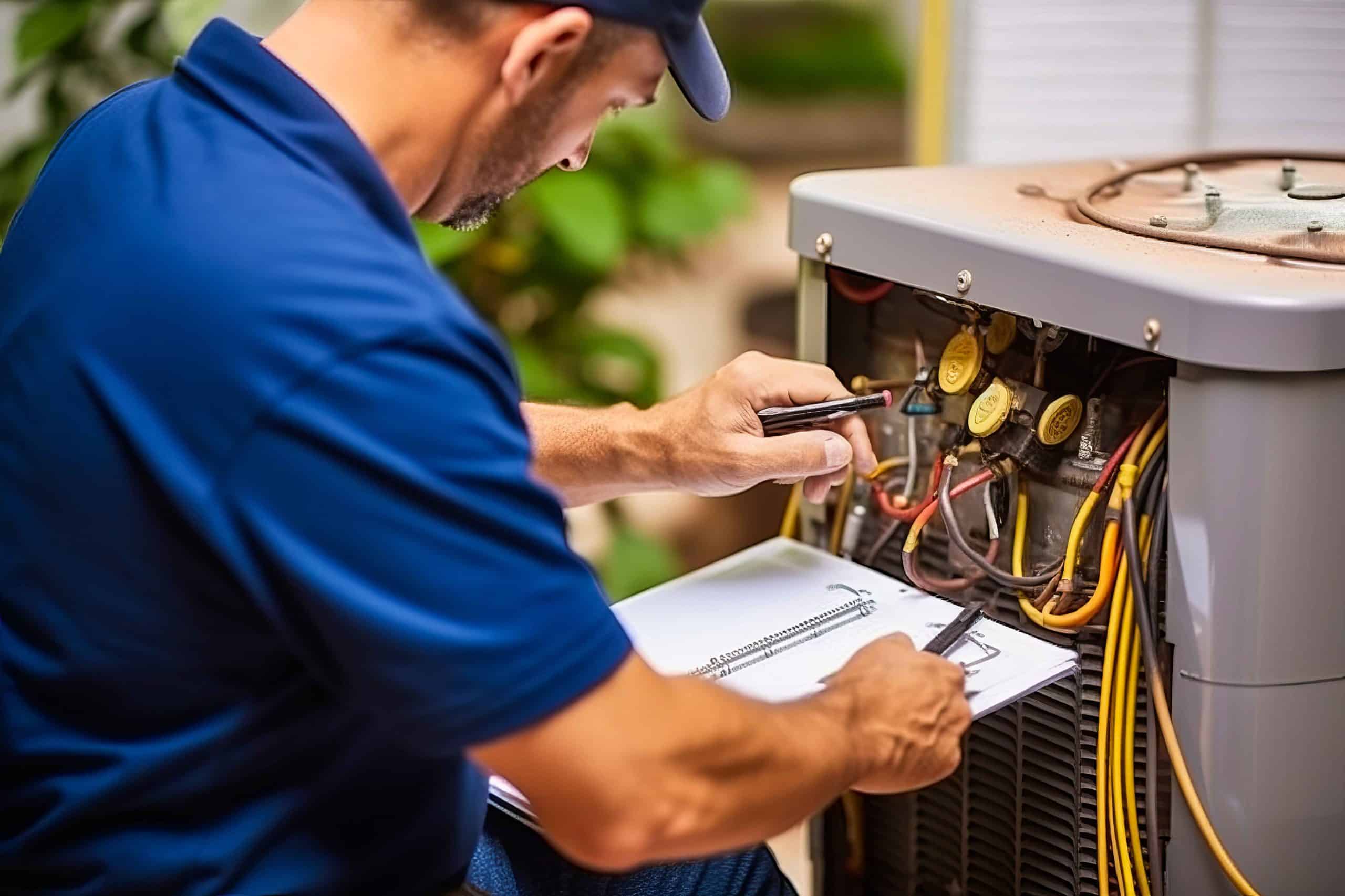
HVAC systems aren’t silent, but they shouldn’t sound like a rock band, either. Banging, screeching, rattling, or grinding noises are clear indicators something’s wrong. Loose parts, worn-out belts, or malfunctioning motors often cause these sounds. For example, a high-pitched squeal might mean a failing blower motor, while rattling could point to loose screws or debris in the ductwork.
Ignoring strange noises rarely ends well. What starts as a minor issue can escalate into costly repairs or even system failure. If you’re unsure about the source of the noise, contact a professional HVAC technician to diagnose the problem. Companies like First Call Jewel specialize in pinpointing these issues quickly, ensuring your system gets back to running quietly and efficiently.
2. Strange Odors
Unusual smells coming from your HVAC system shouldn't be ignored. Different odors can signal various problems, many of which require immediate professional attention.
A musty smell typically indicates mold or mildew growth somewhere in your system, often in the ductwork or around the evaporator coil. This isn't just an HVAC issue but also a potential health concern, especially for people with allergies or respiratory conditions.
If you smell something burning, shut your system off immediately. This could indicate an electrical problem or overheating components. A rotten egg smell might suggest a gas leak, which requires immediate evacuation and professional help.
3. Rising Energy Bills
Have you noticed your utility bills creeping upward without a corresponding increase in usage? This often signals decreasing HVAC efficiency. As your system ages or develops problems, it must work harder to maintain the same comfort level, consuming more energy in the process.
A sudden spike in energy costs without seasonal explanation definitely warrants investigation. Even gradual increases over time can indicate your system is losing efficiency and may need repairs. Keep records of your monthly energy consumption and costs. This data helps identify patterns and anomalies that might indicate HVAC issues.
4. Inconsistent Temperatures
If some rooms in your home feel like the Arctic while others resemble the Sahara, your HVAC system isn't distributing air properly. Inconsistent temperatures throughout your home indicate potential problems with your ductwork, zoning system, or the HVAC unit itself.
You might notice certain rooms never quite reach the temperature set on your thermostat, or perhaps your system runs constantly but never achieves comfortable conditions throughout the house. These issues suggest your system needs professional attention.
If you live in an old home, you're probably no stranger to temperature inconsistencies. Older properties often have original ductwork that wasn't designed for modern HVAC systems, leading to airflow problems and cold spots. These issues typically require a professional assessment to determine whether your ducts need sealing, insulating, or redesigning to work efficiently with your current system.
5. Poor Airflow
When you hold your hand over a vent and feel only a weak breeze (or worse, no air movement at all), you're experiencing poor airflow – a common sign your HVAC system needs attention. Restricted airflow makes your system work harder to heat or cool your home, increasing wear on components and raising energy bills.
Poor airflow can stem from several issues: clogged air filters, blocked or leaky ductwork, failing blower motors, or even a system that's improperly sized for your home. While you can check and replace filters yourself, other airflow problems typically require professional diagnosis and repair.
If you notice some vents have strong airflow while others barely push any air, this usually indicates ductwork problems that need addressing. Balanced airflow is essential for efficient heating and cooling.
6. Frequent Cycling
Does your HVAC system turn on and off more frequently than it should? This condition, known as short cycling, puts excessive strain on your system and significantly reduces its efficiency and lifespan.
Several factors can cause short cycling: improper thermostat settings, incorrectly sized equipment, electrical problems, or even a clogged air filter. Professional diagnosis is essential to determine the exact cause and appropriate solution.
7. Humidity Problems
Your HVAC system doesn't just control temperature – it also helps regulate humidity levels in your home. If you're experiencing unusually high indoor humidity during summer or extremely dry air in winter, your system might not be functioning properly.
Excess humidity can make your home feel warmer than it actually is and create conditions where mold and mildew thrive. Conversely, air that's too dry can cause static electricity, dry skin, and respiratory irritation. Both conditions suggest your HVAC system needs attention.
Modern HVAC systems are designed to maintain optimal humidity levels along with comfortable temperatures. If your system isn't doing both effectively, it's time for a professional evaluation.
8. Clogged Air Filter
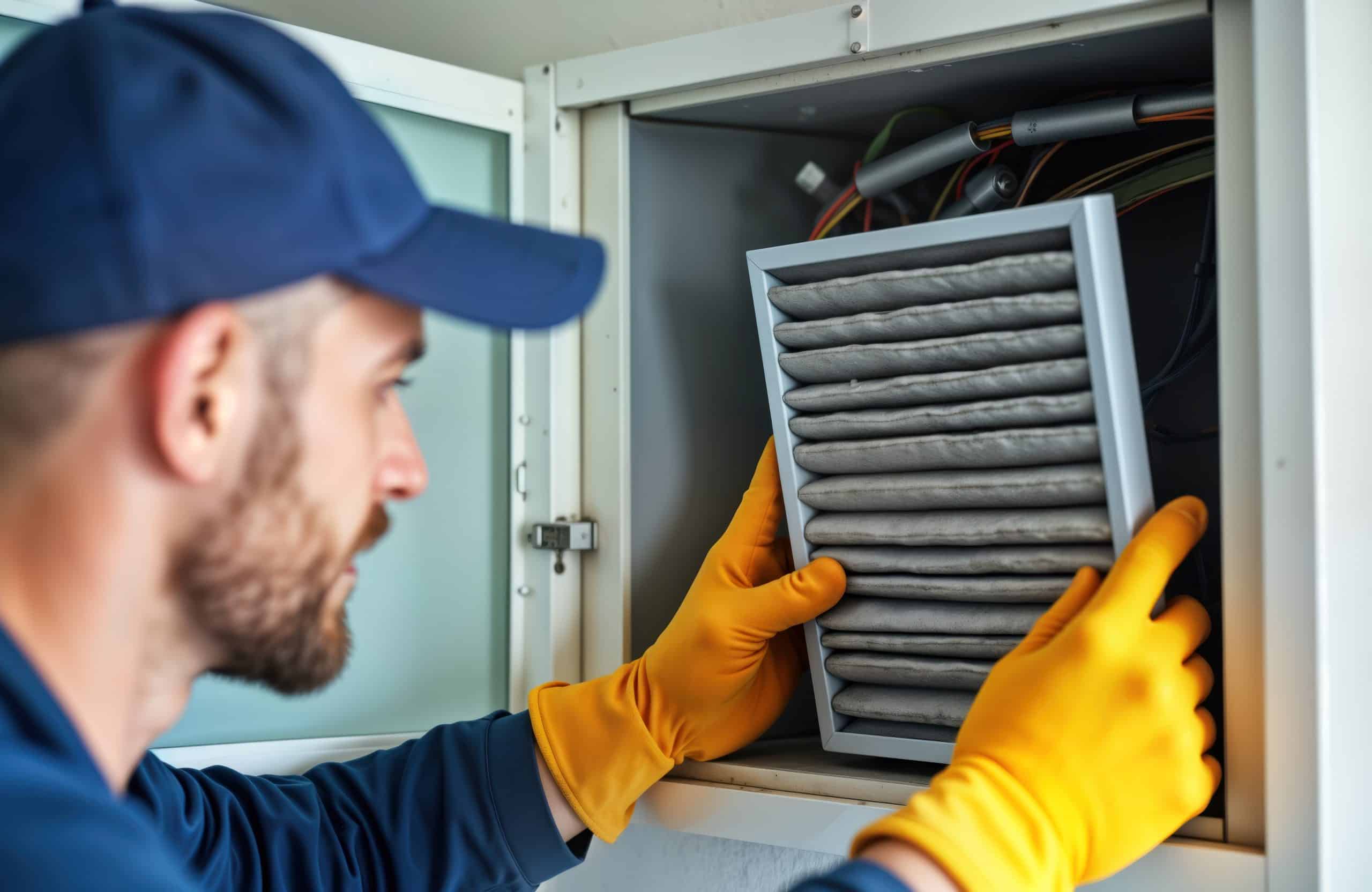
One of the most common signs your HVAC system needs attention is restricted airflow due to a clogged filter. When your filter becomes heavily coated with dust and debris, your system can't draw in sufficient air, causing it to work harder and potentially overheat.
Signs of a clogged filter include reduced airflow from vents, system overheating, increased dust around vents, and unusually long runtime cycles. While changing filters is routine maintenance you can handle yourself, chronically clogged filters can damage your system and may indicate other issues that need professional attention.
If you find yourself replacing filters much more frequently than the manufacturer recommends, this could signal problems with your ductwork or indoor air quality that require professional evaluation.
9. Thermostat Malfunctions
Sometimes what appears to be an HVAC system problem actually stems from thermostat issues. If your thermostat isn't functioning properly, it can cause your system to run too much, too little, or erratically.
Signs of thermostat problems include display issues, system unresponsiveness to setting changes, or temperature readings that don't match how your home actually feels. If you have a programmable thermostat, incorrect programming can also cause comfort problems.
A malfunctioning thermostat might display inconsistent readings, blank screens, or fail to properly communicate with your HVAC system. These issues can mimic more serious HVAC problems and should be diagnosed by a professional.
10. Water Leaks or Moisture
Finding water or excessive moisture around your HVAC unit is never normal and always requires immediate attention. Water leaks typically indicate either a blocked condensate drain line or a refrigerant leak, both of which can cause significant damage if left unaddressed.
During cooling operation, your air conditioner removes moisture from the air, which normally drains away through a condensate line. If this line becomes clogged with algae, dirt, or debris, water can back up and leak around your indoor unit, potentially causing water damage and promoting mold growth.
Refrigerant leaks are more serious, potentially harming both your system and the environment. Signs include ice formation on refrigerant lines, hissing sounds, or decreased cooling performance. These leaks require immediate professional repair.
Key Takeaway
Your HVAC system gives clear signals when it needs attention – from unusual noises and odors to performance issues and rising energy costs. By paying attention to these warning signs and addressing them promptly, you'll avoid the discomfort and expense of major breakdowns. Regular maintenance remains your best defense against HVAC problems. Remember that most serious HVAC issues begin as minor problems that, when caught early, can be resolved quickly and affordably.