Tired of generic, mass-produced furniture that doesn’t quite fit your space or style? Custom furniture might be your answer. It’s not just for the wealthy or design-savvy—anyone can create pieces that perfectly match their needs, taste, and home layout. But where do you begin?
This guide will walk you through the process, from inspiration to installation, so you can transform your home with furniture that’s truly yours. Read on.

Understand the Benefits of Custom Furniture
Why go custom? Off-the-shelf furniture has its perks (like instant availability), but custom pieces offer unique advantages.
First, custom furniture pieces fit your exact dimensions. No more awkward gaps or squeezed-in dressers for you. Next, you can choose materials, finishes, and designs that reflect your aesthetic.
Aside from that, skilled craftsmen use better materials and construction methods than most factory-made options - ensuring you get better quality furniture pieces. Finally, well-made custom pieces last decades, saving you money over time.
Define Your Needs and Style
Before diving in, ask yourself:
- What’s the purpose? Do you need a storage-heavy media unit, a space-saving dining table, or a statement-making bed frame?
- What’s your style? Browse social media and/or design magazines to pinpoint what you love—modern, rustic, industrial, or eclectic?
- What’s your budget? Custom doesn’t always mean expensive, but having a range helps guide decisions.
Jot down must-haves and nice-to-haves. This clarity will save time (and headaches) later.
Find the Right Maker or Designer
Not all custom furniture is created equal. You can choose between local furniture makers, custom furniture companies, or you can even construct furniture yourself.
To find local woodworkers, check local directories or the web for craftsmen near you. Next, visit workshops to see their work in person. Don't forget to ask for portfolios and client references as well.
On the other hand, you can look into custom furniture companies. Different brands offer semi-custom options with set designs for custom outdoor wood furniture and the like. They're a great option if you want to strike a balance between customization and convenience.
Finally, you can take the do-it-yourself (DIY) route if you're handy. DIY is ideal for smaller projects like custom shelves or benches.

Choose Materials Wisely
The right materials make or break your custom furniture design project. Consider wood, upholstery fabrics, and metal and/or glass accents.
For wood, you can choose between solid hardwood, plywood or medium-density fiberboard (MDF), or reclaimed wood. Solid wood like oak, walnut, and maple are durable and timeless yet pricier. On the other hand, plywood or MDF is budget-friendly but less durable for heavy use. Reclaimed wood is eco-friendly with a rustic, lived-in look.
For upholstery fabric, you can pick from performance fabrics, cotton or linen, and leather. Each one has characteristics that fit your custom furniture project.
Finally, you can pick from different types of metals and glass for modern accents, depending on the style.
Your maker can advise, but knowing the basics helps you make informed choices.
Optimize for Functionality
Custom furniture should look and work beautifully. Think about:
- Storage Solutions – Hidden drawers, lift-up beds, or built-in shelves.
- Multi-Functional Designs – A desk that converts to a dining table, or a sofa bed for guests.
- Ergonomics – Chair heights, table depths, and couch angles tailored to your comfort.
A stunning piece that doesn’t serve its purpose is just art—not furniture.
Plan for the Space
Even the most beautiful piece fails if it doesn’t suit the room. Remember to measure twice, consider traffic flow, and look into lighting and color.
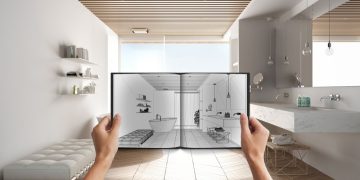
A scaled sketch or digital mock-up helps visualize the final look.
Set a Realistic Timeline
Custom pieces take time. Rushed jobs often mean compromises. You need to account ample time during different phases of the production of your custom furniture piece.
A typical project timeline is the following:
- Design Phase – takes around a week or more (this includes discussions, sketches, revisions, and so on);
- Production – takes around a month up to 12 weeks (it can take longer for more intricate designs); and
- Delivery/Installation – takes around a week or two depending on shipping or assembly needs.
If you need furniture fast, ask about expedited options—but expect higher costs.
Communicate Clearly with Your Maker
Miscommunication leads to disappointment. Avoid this by providing sketches, photos, or 3D models of what you want, asking for progress updates (some makers share in-process photos), and clarifying warranties or repair policies upfront.
Remember: the more details you share, the closer the result will match your vision.
Prepare for Delivery and Installation
The big day arrives! Ensure smooth delivery by clearing pathways and protecting floors, checking the piece for defects before signing off, and assembling (if required) with help—some items are heavy or complex.
Final Thoughts
Custom furniture isn’t a luxury—it’s a smart way to get exactly what you need. Whether it’s a bespoke bookshelf, a dream sofa, or a dining table that fits like a glove, the process is worth it. Start small if you’re unsure, and soon, you’ll wonder why you ever bought generic.
Your home should reflect you. Why not fill it with pieces that do the same?