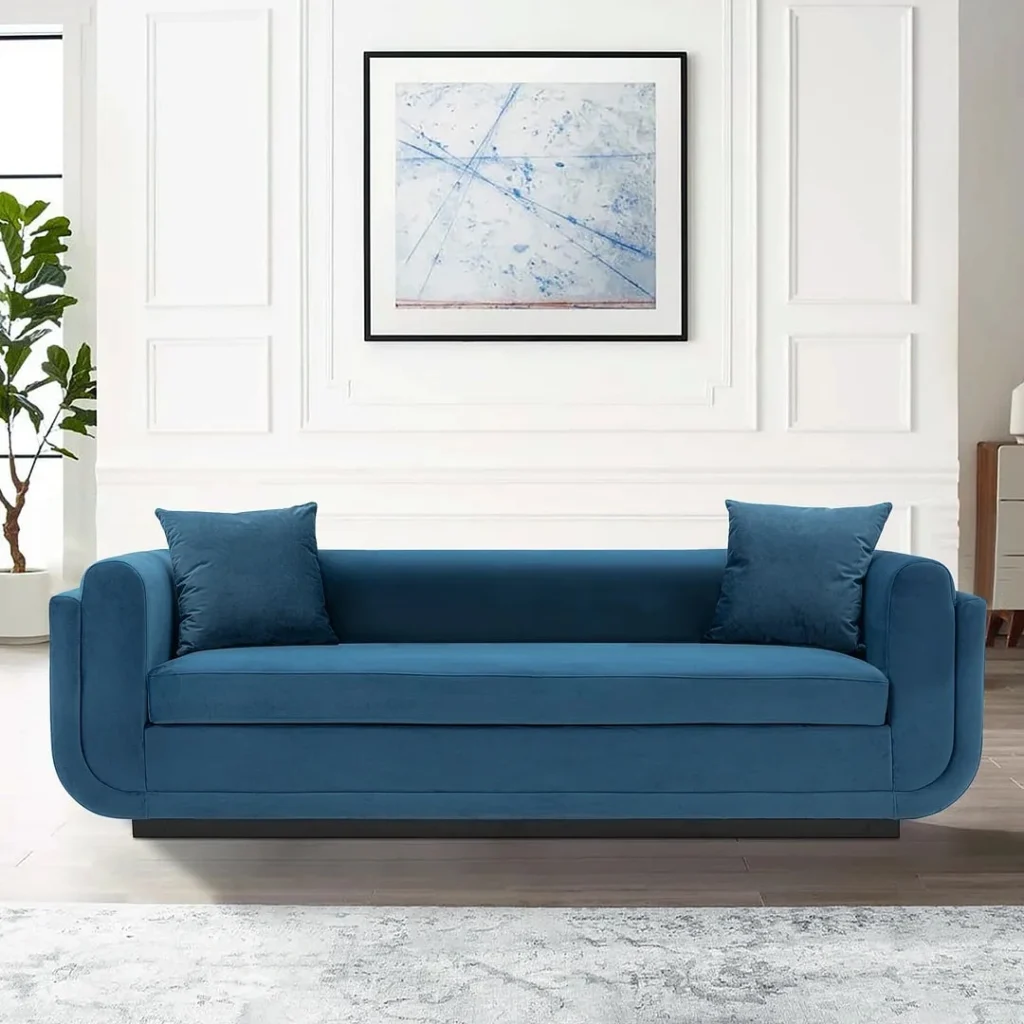
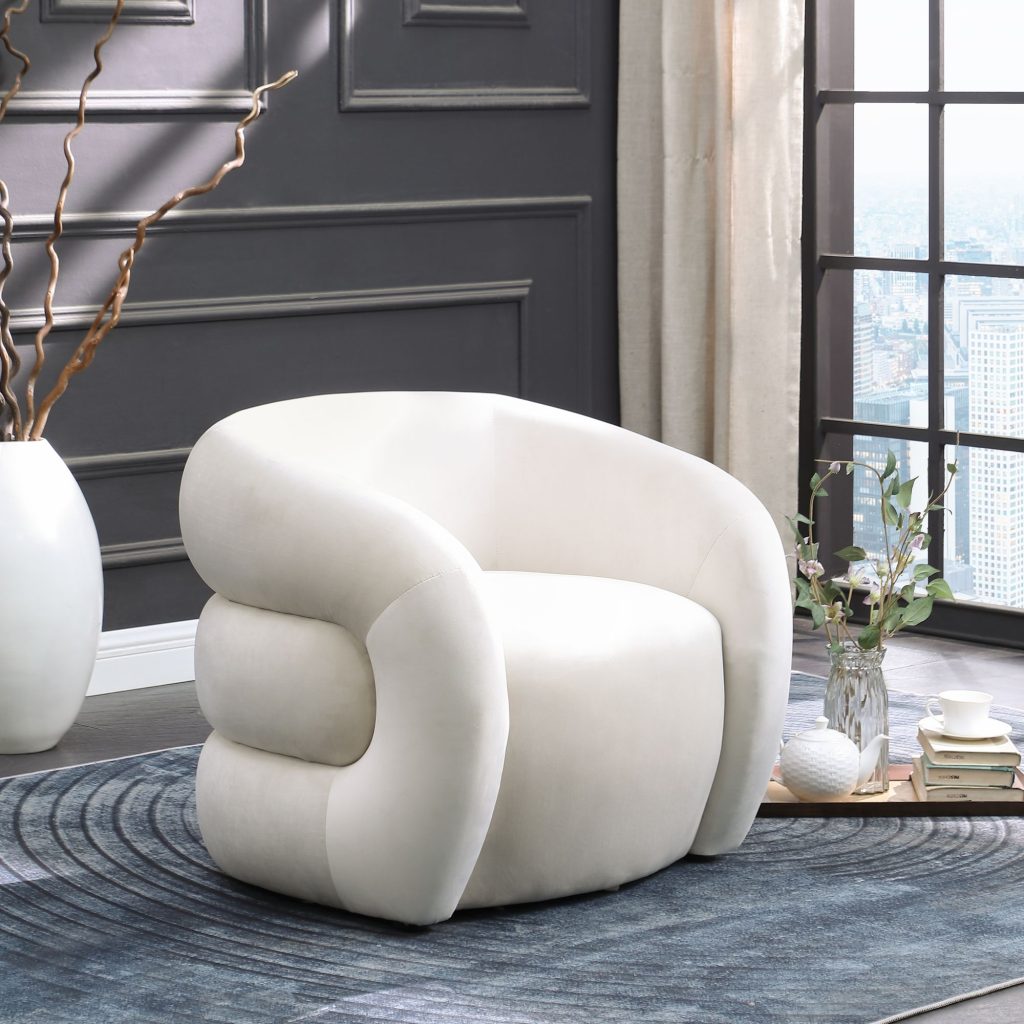
Velvet Upholstery Pros, Cons & Best Picks for Your Home
Velvet Upholstery Pros, Cons & Best Picks for Your Home
Velvet has never really gone out of style. It appears in the grandest historic interiors and the most contemporary homes alike, adapting effortlessly to each era without losing its distinctive appeal. There is something about velvet upholstery that feels immediately luxurious, whether it covers a dining chair, a sofa, a headboard, or an armchair.
But velvet is also a fabric that divides opinion among buyers and interior designers. Some swear by its beauty and softness. Others worry about maintenance, durability, and how it holds up in a busy household. Both perspectives have merit, and understanding them fully is the key to making a confident purchase decision.
This guide gives you a complete and honest overview of velvet upholstery. You will find the real advantages, the genuine drawbacks, technical specifications, and the best types of velvet furniture pieces worth considering for different spaces in your home.
Key Features
Velvet upholstery carries a specific set of physical and aesthetic characteristics that distinguish it from other fabric types used in furniture:
Densely woven pile construction that creates a soft, plush surface with a distinctive light-reflecting quality
Directional sheen effect where the fabric appears to change tone slightly depending on viewing angle and light direction
Available in cut velvet, crushed velvet, and performance velvet varieties, each with different textures and care requirements
High thread count pile that contributes to a heavier, more substantial feel compared to standard woven fabrics
Natural and synthetic fiber options including silk velvet, cotton velvet, polyester velvet, and velvet-effect microfiber
Wide color range with particularly strong saturation in jewel tones such as emerald, sapphire, mustard, and burgundy
Compatible with a range of frame styles from mid-century curved silhouettes to modern angular designs
Treated performance versions available with stain resistance and moisture repellency built into the fiber structure
Benefits
Velvet upholstery improves a home in ways that go well beyond surface-level aesthetics. The most immediate benefit is tactile comfort. Sitting on a velvet sofa or armchair feels noticeably different from sitting on linen, cotton, or leather. The pile gives a soft, cushioned sensation against the skin that makes furniture feel genuinely inviting and comfortable for extended use.
The visual impact of velvet is equally powerful. Its light-reflecting pile creates a sense of depth and dimension that flat fabrics simply cannot produce. A velvet sofa in a neutral living room becomes an instant focal point. A velvet headboard in a bedroom adds an atmosphere of warmth and calm that other upholstery materials rarely achieve at the same level.
Velvet also performs surprisingly well as an insulating material. The dense pile traps a small layer of air, which contributes to warmth in cooler months. This makes velvet sofas and chairs particularly appealing in rooms that feel cold or drafty during autumn and winter.
For interior styling, velvet offers exceptional versatility. It suits maximalist spaces filled with pattern and color as naturally as it suits quiet, minimal rooms where one statement piece carries the visual weight. The ability to find velvet in such a wide range of colors means it integrates into nearly any palette without difficulty.
Finally, quality velvet upholstery holds its color remarkably well over time. High-grade polyester or cotton velvet resists fading from light exposure better than many lighter woven fabrics, keeping the piece looking rich and intentional for longer.
Product Specifications
When evaluating velvet upholstered furniture, these technical specifications help you compare quality and suitability:
Pile height: 1.5–3 mm for standard velvet, with crushed velvet having a more varied and flattened pile structure
Fabric weight: 280–450 gsm depending on fiber content and pile density
Rub test rating (Martindale): 25,000–100,000 rubs depending on grade, with performance velvet rated at 50,000 or above for high-use furniture
Fiber composition options: 100 percent polyester (most durable and affordable), cotton-polyester blend (softer hand feel), cotton velvet (natural but less stain resistant), silk velvet (premium, delicate)
Color options: Available across the full color spectrum with particularly rich results in jewel tones, deep neutrals, and earth tones
Stain resistance: Standard velvet requires professional cleaning for most stains, while performance velvet can be spot-cleaned with a damp cloth
Flame retardancy: Most upholstery-grade velvet meets standard FR requirements under furniture safety regulations
Recommended cleaning method: Dry brushing with a soft velvet brush, occasional steam cleaning, or professional upholstery cleaning depending on fiber type
Pet suitability rating: Low for standard velvet due to hair attachment, moderate for tightly woven performance velvet with smooth pile direction
Velvet upholstery occupies a category of furniture fabric that balances luxury with livability in a way that few other materials manage. Leather is durable but cold. Linen is breathable but casual. Cotton is practical but visually flat. Velvet delivers warmth, softness, visual depth, and design presence in a single fabric choice.
What makes quality velvet furniture worth the investment is the construction behind the fabric. Premium velvet is woven on purpose-built looms with precise pile consistency and color uniformity across the full fabric width. When this quality of velvet is paired with a well-engineered furniture frame, the result is a piece that looks expensive, feels extraordinary, and holds its shape and color over years of daily use.
The rise of performance velvet has also addressed the historic concern around maintenance. Modern performance velvet is engineered to resist stains, repel moisture, and release pet hair more easily than traditional velvet. This brings velvet firmly into the category of practical everyday upholstery rather than a reserved-for-special-occasions material.
For buyers who want their furniture to make a genuine visual statement while remaining comfortable and long-lasting, velvet upholstery is one of the best choices currently available across any price range.
Best Features
Rich directional sheen that creates visual interest and depth even in simply shaped furniture pieces
Exceptionally soft pile surface that provides a superior tactile experience compared to most woven fabrics
Performance velvet options engineered for stain resistance and easy cleaning in family and pet-friendly homes
Outstanding color saturation that holds intensity over time without fading as quickly as many lighter fabrics
Versatile styling compatibility that works across mid-century, contemporary, maximalist, and Japandi interior styles
Natural thermal insulation from the dense pile structure that adds warmth to furniture in cooler rooms
Wide range of price points from accessible polyester velvet to premium silk velvet to suit different budgets
Available in bespoke custom-made upholstery for buyers wanting a specific color or dimension not offered in standard retail ranges
Buying Guide
Use these clear and focused tips to choose velvet upholstered furniture with full confidence:
Match the velvet grade to your household needs. A performance velvet with a Martindale rating of 50,000 or above is the right choice for sofas and chairs used daily. Lower-grade velvet is better suited for occasional-use pieces like accent chairs and headboards
Check the Martindale rub test rating before buying. This is the most reliable indicator of fabric durability. Always ask for this figure if it is not listed in the product description
Consider pet ownership carefully. Standard velvet attracts pet hair strongly due to its pile structure. If you have cats or dogs, choose a tightly woven performance velvet or a velvet with a short, smooth pile that releases hair more easily
Choose polyester velvet for high-use furniture. Polyester velvet is the most durable, easiest to maintain, and most affordable fiber option. Cotton and silk velvet are beautiful but require more careful handling
Test the pile direction before finalizing the color. Velvet looks noticeably different when the pile runs toward you versus away from you. Always view velvet swatches in the actual lighting conditions of your room before committing to a color
Plan your cleaning approach in advance. Know whether the piece requires professional cleaning or can be spot-treated at home. This directly affects how practical the furniture is in your specific household
Avoid placing velvet furniture in direct strong sunlight. Prolonged UV exposure can cause uneven fading along the pile of lighter-colored velvet, particularly in cotton and silk varieties
Invest in a velvet brush for ongoing maintenance. A dedicated soft-bristle velvet brush keeps the pile uniform, removes surface dust, and refreshes the fabric's appearance between deeper cleaning sessions

 Customer Service

 Customer Service

 Google Reviews
 Yotpo Reviews