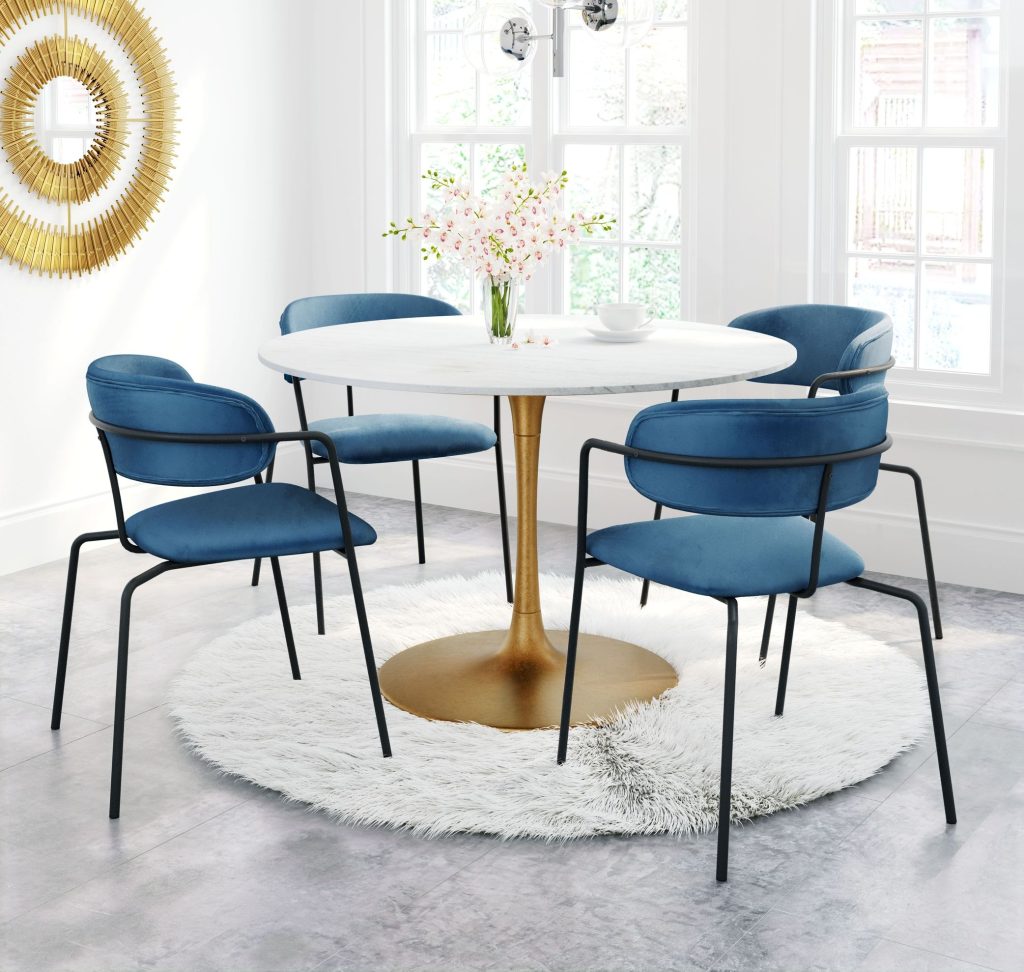
Marble Furniture Pros, Cons & Best Picks for Every Home
Marble Furniture Pros, Cons & Best Picks for Every Home
Few materials command attention in a room the way marble does. Its natural veining, cool surface, and timeless elegance have made it one of the most sought-after materials in both architecture and furniture design for centuries. From ancient palaces to modern minimalist apartments, marble continues to define spaces with a sense of luxury that is hard to replicate.
Today, marble is more accessible than ever. Coffee tables, dining tables, side tables, console tables, and even bed frames now come in genuine marble, marble composite, and high-quality marble-effect alternatives. This means more buyers can enjoy the look and feel of marble regardless of their budget.
But marble is also a material that requires understanding before you invest. It has genuine strengths and real limitations that affect how it performs in everyday home use. This guide gives you an honest and complete picture of marble furniture, covering everything from the pros and cons to the best types of pieces worth buying for different spaces in your home.
Key Features
Marble furniture carries a distinct set of physical and aesthetic characteristics that define its appeal and its limitations:
Natural stone composition formed over millions of years from metamorphic limestone, giving every slab a completely unique pattern
Cool surface temperature that stays naturally cool to the touch regardless of room temperature
High compressive strength that makes it exceptionally resistant to crushing or structural failure under weight
Natural veining patterns in white, grey, black, green, and gold tones that vary by quarry origin and geological formation
Available in multiple finishes including polished, honed, brushed, and leathered surfaces
Heavy material density at approximately 2,700 kg per cubic meter, requiring strong frame support
Porous surface structure that absorbs liquids if left unsealed, making surface treatment essential
Compatible with metal, timber, and glass bases across a wide range of contemporary and classic furniture styles
Benefits
Marble furniture delivers a set of benefits that few other materials can match, particularly for buyers who prioritize visual impact, durability, and long-term value.
The most obvious benefit is appearance. Marble has a visual depth and natural variation that no manufactured surface fully replicates. Each piece of marble furniture is, in the truest sense, one of a kind. The veining pattern on your dining table or coffee table exists nowhere else in the world, which gives marble furniture a uniqueness that mass-produced materials simply cannot offer.
Durability is another significant strength. When properly cared for, marble furniture lasts for generations. Unlike wood that can warp or metal that can corrode under certain conditions, marble remains structurally stable over very long periods. Many antique marble pieces remain in excellent condition after hundreds of years of use, which speaks directly to its longevity.
The cool surface temperature of marble is particularly appreciated in warmer climates or during summer months. A marble coffee table or dining surface stays naturally cool, which is pleasant during warm weather and functional for serving cold foods and drinks.
Marble also adds measurable value to a home. High-quality marble furniture is considered a premium asset that retains its value well compared to most other furniture materials. For buyers thinking about long-term home investment, marble is one of the smarter choices available.
Product Specifications
When comparing marble furniture options, these technical details help you evaluate quality, practicality, and value:
Stone types commonly used: Carrara marble (white with grey veining), Calacatta marble (white with bold gold or grey veining), Nero Marquina (black with white veining), and Verde Guatemala (green with white veining)
Slab thickness for tabletops: 18–30 mm for standard furniture use, with 20 mm being the most common specification
Material density: Approximately 2,600–2,800 kg per cubic meter depending on stone variety
Compressive strength: 70–140 MPa depending on marble type and quarry origin
Porosity rating: 0.1–0.5 percent for dense marbles such as Calacatta, rising to 0.5–2 percent for softer varieties
Sealing requirement: Factory sealed with penetrating stone sealer, requiring reapplication every one to three years depending on use
Frame material options: Solid brass, matte black steel, brushed gold metal, solid oak, and chrome-finished steel
Weight of a standard marble coffee table: 25–60 kg depending on slab size and base construction
Standard tabletop dimensions: 80–140 cm length for coffee tables, 160–240 cm for dining tables
Why Choose This Product
Marble furniture occupies a position that no other material fills in quite the same way. It sits at the intersection of natural beauty, structural permanence, and cultural prestige. Choosing marble is not simply a furniture decision. It is a statement about how you want your home to feel and how long you expect your investment to last.
What separates quality marble furniture from lower-grade alternatives is the sourcing and processing of the stone itself. Premium marble is quarried in controlled conditions, cut to precise slab thicknesses, finished to a consistent standard, and sealed properly before leaving the factory. Cheaper alternatives often use thinner slabs prone to cracking, inconsistent sealing, or marble composites that lack the depth and clarity of genuine stone.
The base construction matters equally. A marble tabletop paired with a poorly engineered base creates a safety risk given the material's significant weight. Quality marble furniture uses frames specifically designed to handle dense stone loads, with secure mounting systems that keep the slab firmly in place over years of daily use.
For buyers who want a centerpiece piece that anchors a room with lasting visual authority, no other material delivers with the same consistency and cultural weight as genuine marble.
Best Features
Fully unique veining pattern on every piece of genuine marble furniture that cannot be duplicated
Naturally cool surface that stays comfortable to the touch in warm environments without any treatment
Extremely long lifespan when properly sealed and maintained, with many pieces lasting decades or longer
Increases perceived home value as a recognized premium material in property and interior assessments
Available in honed matte finish that hides minor surface marks better than polished alternatives in high-use settings
Pairs naturally with brass, black steel, and natural timber to suit a wide variety of contemporary interior styles
Factory-sealed surface treatment on quality pieces that provides immediate resistance to everyday spills
Composite and sintered stone alternatives available for buyers wanting the marble aesthetic at a lower weight and price point
Buying Guide
Use these practical tips to choose marble furniture with confidence and avoid common purchasing mistakes:
Decide between genuine marble and alternatives first. Sintered stone and porcelain slabs offer very similar aesthetics with lower porosity, lighter weight, and greater scratch resistance. They are worth considering if maintenance is a concern
Choose honed over polished for high-use surfaces. Polished marble shows fingerprints, water rings, and scratches more clearly. Honed finishes are more forgiving in dining tables and coffee tables used daily
Check the slab thickness before buying. A thickness of at least 20 mm is recommended for furniture tabletops. Thinner slabs below 15 mm carry a higher risk of cracking under uneven weight distribution
Ask about the sealing specification. Confirm that the piece has been factory-sealed with a penetrating stone sealer rather than just a surface coating, which wears away much faster
Assess the base strength relative to the slab weight. A marble dining table slab can weigh 40–80 kg. Confirm the base frame is rated to support that load safely and that the slab is properly secured
Avoid placing marble furniture in direct strong sunlight. Prolonged UV exposure can affect the surface finish of polished marble over time, particularly on lighter stone varieties
Plan your maintenance schedule. Genuine marble requires resealing every one to three years depending on use intensity. Factor this into your ownership plan before purchasing
Match the marble variety to your interior color palette. White Carrara suits cool, Scandinavian, and minimalist interiors, while warmer Calacatta with gold veining complements warmer tones, brass accents, and richer interior color schemes

 Customer Service

 Customer Service

 Google Reviews
 Yotpo Reviews