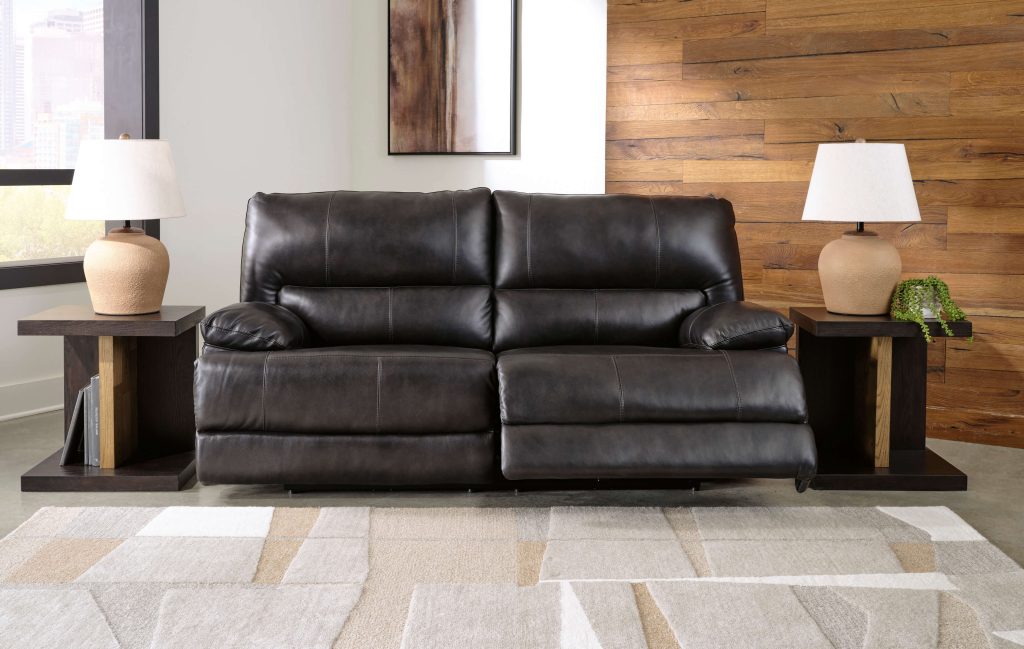
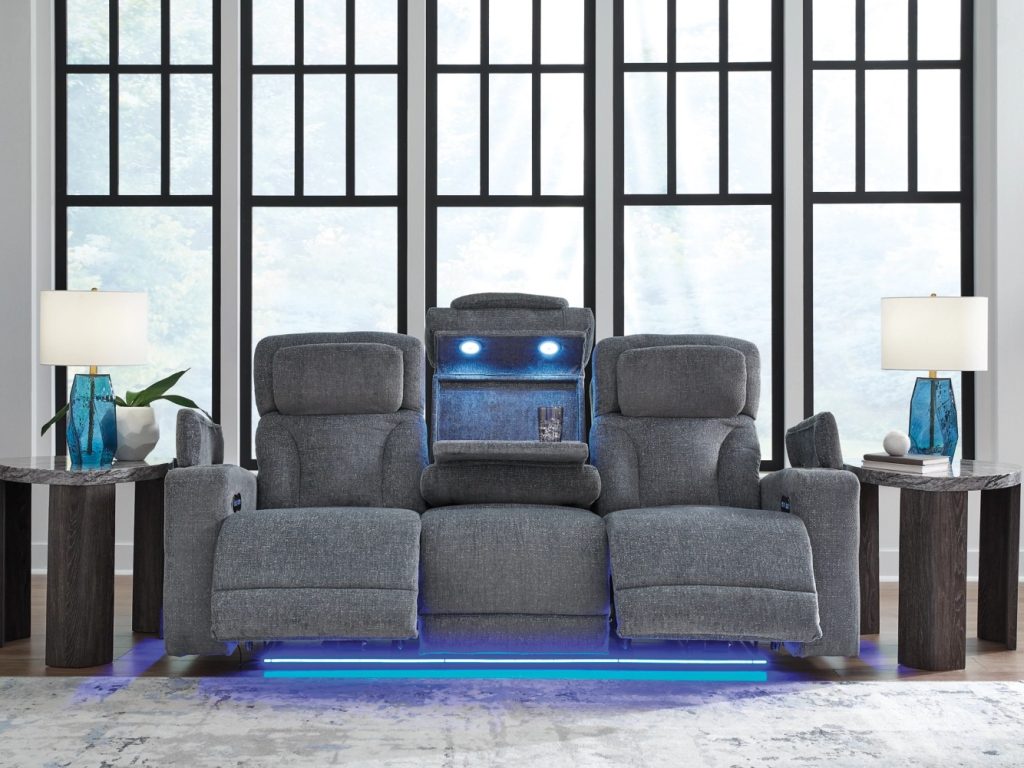
Best Sofas for People Who Work From Home Comfort Meets Style
Best Sofas for People Who Work From Home Comfort Meets Style
Introduction
Working from home has changed the way we use our living spaces. The sofa is no longer just a place to relax in the evening. For millions of remote workers, it has become a second desk, a meeting spot, a reading chair, and a place to recharge between tasks.
But not every sofa is built for this kind of daily demand. A sofa that works for home office use needs to offer proper support, comfort over long hours, and a design that fits a productive environment. Choosing the wrong one can lead to back pain, poor posture, and a workspace that feels uninspiring.
This guide is built for people who spend real working hours on their sofa. Whether you take video calls, write, design, or manage projects from home, finding the right sofa makes a genuine difference to your health, focus, and daily comfort.
Key Features
The best sofas for remote workers are designed with specific traits that go beyond standard living room comfort:
High back support that keeps your spine aligned during long sitting sessions
Firm yet comfortable cushioning that does not sink too deep after a few hours
Wide seat depth to allow flexible sitting positions, including cross-legged work
Built-in armrests at laptop height to reduce shoulder and neck strain
Chaise or reclining sections for stretching during breaks without leaving your workspace
Stain-resistant and easy-clean upholstery to handle coffee spills and daily wear
USB charging ports or side pockets built into the frame for device management
A work-from-home sofa does more than just look good in your living room. It directly affects how well you work and how your body feels at the end of the day.
Proper lumbar and back support reduces the risk of lower back pain, which is one of the most common complaints among remote workers. When your sofa keeps you upright without forcing you into a stiff position, you can work longer without discomfort.
Good cushion firmness also helps with focus. A sofa that is too soft causes you to slouch, which can slow blood flow and make you feel tired faster. A medium-firm seat keeps your energy levels more stable throughout the day.
For people who move between tasks, a modular or L-shaped sofa with a chaise gives you the flexibility to shift positions. This is important because staying in one position for hours at a time increases physical fatigue. Being able to stretch out during a break and then return to a supported sitting position is a real productivity advantage.
Finally, the right sofa helps separate your mental workspace from your rest space, even within the same room. A well-chosen piece with a structured design signals to your brain that this is a place of purpose, not just relaxation.
Product Specifications
When selecting a sofa for work-from-home use, these technical details should guide your decision:
Seat height: Ideally between 45–50 cm to keep feet flat on the floor and knees at a natural angle
Seat depth: 55–65 cm for flexible sitting, including straight and cross-legged positions
Back height: Minimum 80 cm to support the full upper back and shoulders
Cushion density: Medium-firm foam rating of 30–35 kg per cubic meter for lasting support
Frame material: Hardwood or kiln-dried timber for long-term durability and stability
Upholstery options: Performance fabric, velvet, leather, or faux leather with stain-guard coating
Configuration types: Two-seater, three-seater, L-shaped, modular, or recliner with chaise
Leg height: Raised legs of at least 15 cm to keep the seat at an ergonomic level
Weight capacity: Standard models support 100–150 kg per seat
Color range: Charcoal grey, warm sand, slate blue, forest green, and classic cream
Why Choose This Product
Most sofas are designed purely for relaxation. They prioritize softness over support and style over function. A sofa built for remote work flips that priority and gives equal weight to both comfort and practicality.
The key difference lies in the cushion construction. Work-from-home sofas use layered foam and pocket spring systems that hold their shape over time. Standard sofas often use low-density foam that compresses quickly, leaving you sitting lower and with less support within a matter of months.
Another strong selling point is adaptability. Modular sofas can be reconfigured as your needs change. You can start with a simple two-seater and add a chaise or corner unit later. This makes them a smart long-term investment for a home that evolves.
Durability is also a major factor. Remote workers spend far more time on their sofa than the average person. A sofa built to handle this level of daily use will last significantly longer, saving you the cost of early replacement.
Best Features
Ergonomic back profile designed to support the natural curve of the spine
Removable and washable covers for easy maintenance in a daily-use environment
Hidden side storage or armrest trays for keeping work essentials close at hand
Adjustable headrests on select models for video call comfort and neck support
Non-slip leg pads to keep the sofa stable during active use
Reversible chaise that can be placed on either side to suit your room layout
Scratch and pet-resistant fabric options for households with animals
Compact footprint options for smaller home offices or studio apartments
Buying Guide
Use these focused tips to choose the right sofa for your work-from-home setup:
Assess your daily sitting hours. If you work more than four hours on your sofa, prioritize lumbar support and firm cushioning over softness
Measure your space before ordering. Allow at least 45–50 cm of clearance on all sides for comfortable movement
Test seat height against your working surface. Your knees should be level with or slightly lower than your hips when seated
Pick the right configuration. L-shaped sofas suit larger spaces, while two-seaters with high backs work well in compact home offices
Choose performance fabric. It handles spills, friction, and daily wear far better than standard upholstery in a work setting
Look for replaceable cushion inserts. These extend the lifespan of the sofa significantly and save money over time
Consider built-in extras. USB ports, cup holders, and side pockets are small additions that make a real daily difference
Check the return and trial policy. A 30 to 100-day home trial period allows you to test the sofa in real working conditions before committing fully

 Customer Service

 Customer Service

 Google Reviews
 Yotpo Reviews