It gets rained on, baked by the sun, covered in dust and pollen, and left outside for months at a time. A set that looks great in the store can be rusted, faded, or wobbly after a single season if it was not built for your climate. Choosing outdoor dining furniture is not complicated once you know what to look for. It comes down to honest weather, the right material, the right size, and a little maintenance.

Be Honest About Your Weather
Before you look at materials or styles, think about the weather your furniture will actually face. A set that lives on a covered porch in a mild climate has an easy life. A set on an uncovered patio in a place with heavy rain, strong sun, or salty coastal air has a hard one.
Rain is the biggest enemy, because water gets into joints and fabrics and stays there. Sun is next, because ultraviolet light fades colors and weakens many materials over time. If your winters are harsh, ask if the set can stay outside all year or needs to be stored. Being honest about your weather saves you from buying a beautiful set that is wrong for your climate and then watching it fall apart.
Materials: What Holds Up and What Does Not
Material is the most important decision in outdoor furniture, and the differences are large. Teak is the gold standard for wood outdoors: it is naturally oily, resists water and insects, and ages to a silver gray if you leave it alone. It is expensive, but it can last for decades. Eucalyptus and acacia are cheaper hardwoods that hold up reasonably well with regular sealing, but they need more care than teak.
Powder-coated aluminum is lightweight, will not rust, and is easy to move and clean, which makes it a strong choice for most people. Resin wicker looks like natural wicker but handles rain far better, as long as it is good quality; cheap resin can crack in the sun. Steel is sturdy but heavy, and it will rust if the coating chips. Check the hardware too: stainless steel or coated hardware will not rust and stain your patio.
Size It for the People You Actually Host
Outdoor dining sets come in sizes from a two-person bistro set to a ten-person banquet table, and the right size depends on who actually eats outside at your house. A couple that eats breakfast on the patio most mornings does not need an eight-seat table taking up the whole patio. A family that hosts big barbecues every weekend does. As with indoor tables, allow about 24 inches of table edge per person, and leave at least 36 inches behind each chair so people can get up without backing into a planter or a railing.
If you are between sizes, go smaller. A patio that still has room to walk around in is more pleasant than one crammed with an oversized table.
When you are comparing patio dining sets, look at the table and chairs sold together. That is the only way to judge how much room a six-seat set really takes up, chairs and all.

Cushions, Umbrellas, and the Extras
Cushions make outdoor chairs far more comfortable, but they are also the part most likely to cause trouble. Look for cushions with removable, washable covers and quick-dry foam inside, so a rainstorm does not leave them soggy for days. Solution-dyed fabrics hold their color much longer in the sun than printed fabrics, and they are worth the extra cost if your set sits in direct sun.
An umbrella is worth having if your patio has no shade, but buy one with a heavy, stable base and a vented canopy that lets wind pass through instead of catching it like a sail. A table with an umbrella hole should have a cap for days you do not use the umbrella. And think about the small comforts: a table with a smooth, easy-clean surface makes wiping up after a barbecue much faster than a table with deep grooves that trap food.
Storage and Off-Season Care
Even the toughest outdoor furniture lasts longer with a little care. At the end of the season, clean everything with mild soap and water, let it dry completely, and store cushions indoors where they will stay dry. If you have space, stack or cover the furniture. A breathable cover keeps off rain and dust without trapping moisture underneath, which is what causes mildew.
Once a year, check the bolts and tighten anything that has loosened, touch up any chips in a coated finish before they rust, and re-seal wood if it looks dry or faded. These small jobs take an afternoon, and they are the difference between a set that lasts three seasons and a set that lasts ten. Outdoor furniture is not maintenance-free, but a little attention goes a long way.
The best outdoor dining set is not the prettiest one in the store. It is the one built from a material that suits your weather, sized for the people who actually eat at your table, and easy enough to care for that you will actually do it. Nail those three things, and you will have a set that survives real weather and earns its place on your patio for years, which is exactly what outdoor furniture should do.
The post Outdoor Dining Sets: What Survives Real Weather appeared first on Sohomod Articles.
A weak, noisy, or uneven frame can make a good mattress feel lumpy, saggy, or loud, and it can shorten the mattress's life by letting it sink where it should be supported. The frame is the foundation of your sleep in the most literal sense, and it deserves the same attention you would give a mattress. You do not need to spend a fortune on one. You do need to understand what a frame actually does, what kinds exist, and how to pick one that supports your mattress, your body, and your bedroom.

Why the Frame Matters as Much as the Mattress
A mattress is designed to sit on a flat, even, supportive surface. When the frame under it flexes, gaps, or slopes, the mattress follows, and your body follows the mattress. That is how a good mattress develops a dip in the middle, or how one side starts to feel softer than the other. A weak frame can also be noisy.
There is a practical reason to care, too: many mattress warranties require a proper support base, and a mattress that fails on an inadequate frame may not be covered. Before you blame the mattress for a bad night, check what it is sitting on. A solid frame will not fix a worn-out mattress, but a bad frame can ruin a good one.
Platform Beds vs. Frames That Need a Box Spring
The first fork in the road is if your frame needs a box spring. Platform beds have a solid surface or closely spaced slats that support the mattress directly, so no box spring is needed. They sit lower and usually cost less overall because you buy one piece instead of two. Traditional frames need a box spring or foundation between the frame and the mattress. They sit higher, which some people prefer, especially if getting out of a low bed is hard on their knees.
The key detail with slats is spacing. For most foam and hybrid mattresses, slats should be no more than three inches apart. Wider gaps let the mattress sag between them, which shortens its life. Whatever style you pick, check the weight capacity and the center support. A queen or king frame needs a center rail and legs, or it will bow in the middle over time.
Wood, Metal, or Upholstered?
The three common frame materials each have real strengths. Solid wood frames are sturdy, quiet, and easy to repair, and they age well if you take care of them. They tend to be heavier and more expensive, but they are the longest-lasting option for most people. Metal frames are lighter, usually cheaper, and easy to move, which matters if you rearrange rooms or move often. Look for welded joints and a solid center support.
Upholstered frames are the most comfortable to lean against for reading, and they soften the look of a room, but the fabric can stain and collect dust, so they need more upkeep. Pick the material that fits how you live, not just how it looks in a photo.
When you are looking at beds, try them in different materials. Wood, metal, and upholstered frames change the whole feel of the room, not just the price.
Get the Size Right
Bed size is a personal decision, but a few guidelines help. A full-size bed is 54 inches wide, which gives each of two people 27 inches, about the width of a crib. Most couples sleep better in a queen, at 60 inches wide, or a king at 76 inches. Length matters too: a standard bed is 80 inches long, and if you are over six feet tall, a California king at 84 inches is worth considering.
Measure your room before you commit. You want at least 24 inches of clear space on each side of the bed for walking, and more if you have nightstands or a dresser with drawers that need to open. A king bed in a small room can make the whole space feel cramped and hard to clean around. A queen in a room with space to breathe will serve you better than a king that eats the whole floor.
Storage, Headboards, and the Details That Matter
The extras on a bed frame are worth thinking about, because they affect your daily life more than the frame's style does. Storage drawers under the bed are genuinely useful in a small room, but check that they glide smoothly and that the drawers are deep enough to hold what you want to store. A padded or tall headboard is far more comfortable than a bare wall if you sit up to read.
Also check the small things. Are the corners rounded, so you will not bruise a shin in the dark? Is the frame easy to assemble and disassemble? Can you tighten the bolts if it starts to squeak? A frame that is quiet, stable, and easy to maintain will do more for your sleep than any decorative detail.
A bed frame is not the most exciting purchase in your home, but it is one of the most important. It holds up your mattress, keeps your sleep quiet and level, and sets the tone for the whole bedroom. Pick a frame with solid support, slats close together, a center rail for larger sizes, and a material that suits your life. Get that right, and your mattress can do its job, which is the whole point of buying a good one in the first place.
The post Bed Frames: The Foundation of Better Sleep appeared first on Sohomod Articles.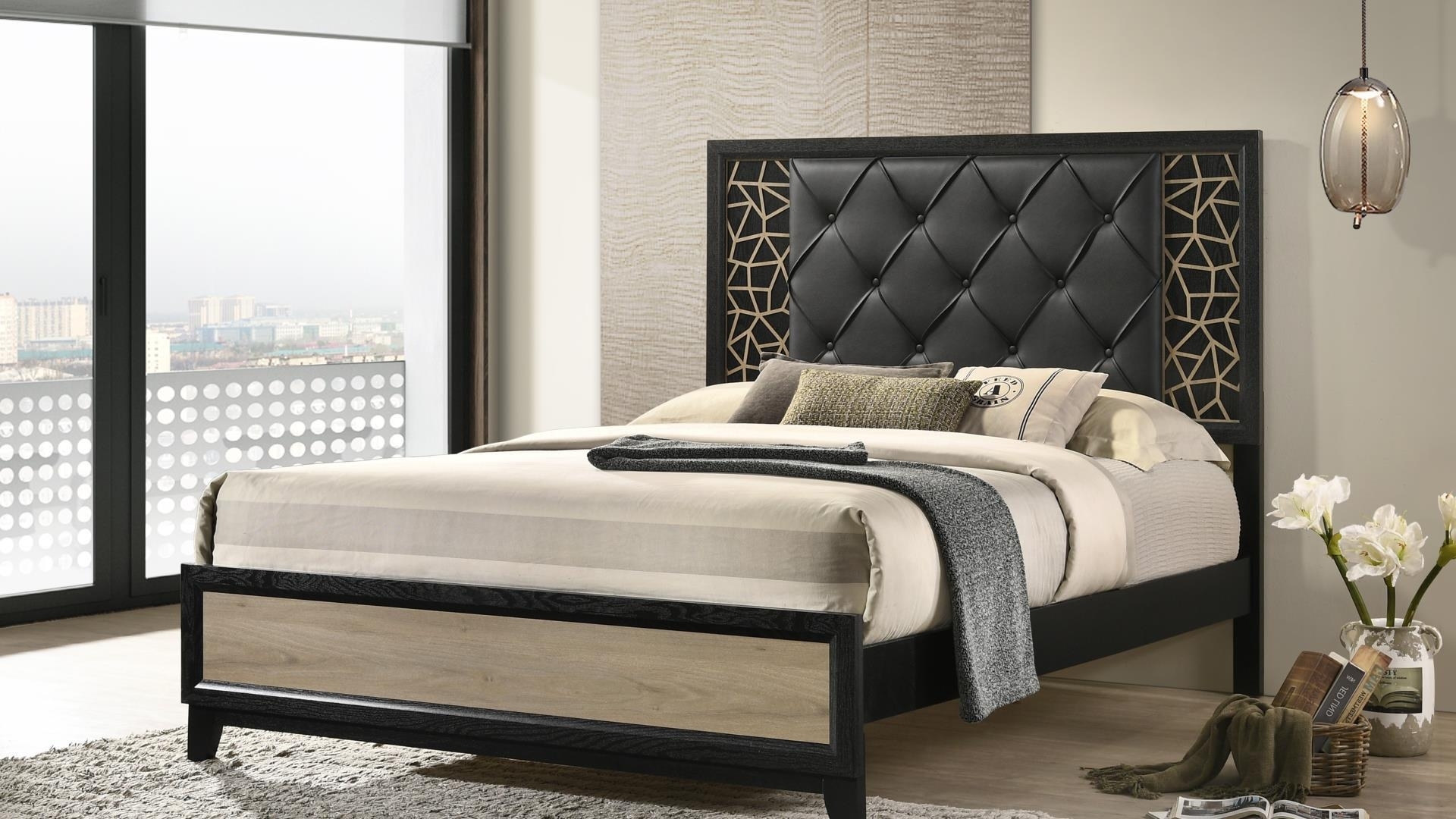
A matching set can feel too uniform, like a hotel room. Buying piece by piece can drag on for months and end with furniture that does not quite go together. The right choice depends on your budget, your patience, your room, and how much you care about everything matching. Here is an honest look at both paths, so you can pick the one that fits your situation instead of the one that looks best in a showroom.

What a Bedroom Set Usually Includes
A bedroom set typically includes a bed frame, a dresser, and one or two nightstands, all in the same finish and style. Some sets add a mirror, a chest of drawers, or a bench. The pieces are designed to work together, so the wood tones match, the hardware matches, and the proportions are balanced.
That last point matters more than people realize. When pieces are designed as a set, the nightstand is the right height for the bed, and the dresser is the right width for the wall space the bed leaves. Buying a set also simplifies the shopping. You make one decision, one delivery is scheduled, and the room is done in a day. For someone furnishing a first home, a guest room, or a rental, that simplicity is a real advantage, and it is the main reason sets stay so popular.
When a Set Is the Smarter Buy
A set is usually the better choice in three situations. First, when you are furnishing an empty room from scratch and want it finished quickly. Buying the set gets you a complete, coordinated room without weeks of comparing dressers.
Second, when your budget is fixed. Sets are often priced below the cost of the same pieces bought separately, because the store sells several pieces in one transaction. Third, when you like a coordinated look and do not want to think about if the nightstand goes with the dresser. Sets also help in small rooms, because the pieces are scaled to each other and less likely to crowd the space. If any of that describes you, a set will save you time, money, and a fair amount of second-guessing.
When Buying Separately Wins
Buying piece by piece wins when your needs do not match the standard set. Maybe you already own a dresser you love and only need a bed and nightstands. Maybe you want a bigger bed than the set offers, or you want a dresser with deeper drawers for a small closet.
Separate buying also wins when you want a room with more personality. A bed in one finish, nightstands in another, and a dresser you found elsewhere can look collected and interesting instead of catalog-perfect, as long as you keep one thing consistent, like the wood tone or the hardware color. Separate buying takes longer, but it lets you spend money only on what you will use.
When you are weighing the two paths, compare bedroom sets against the cost of the exact pieces you would actually buy on their own, not the list of pieces the set happens to include. If the set includes a piece you do not need, it is not a bargain, no matter how good the price looks.
Do the Honest Cost Math
The price tag on a set can be misleading in both directions. A set that looks cheaper may include pieces you would never buy on your own, and a set that looks expensive may be a good deal if you need every piece. Do the math this way: list the pieces you actually need, find the price of each one separately in a comparable quality, and add them up. Then compare that total to the set price.
Include delivery in both numbers, because one delivery for a set is usually cheaper than three separate deliveries. Also compare quality, not just price. A solid wood dresser and a particleboard dresser are not the same purchase, even if they look similar in photos. Check the drawer slides, the joints, and the back panels. A set that saves you money but falls apart in three years is not a deal.
How to Mix Without Making a Mess
If you go the separate route, a few rules keep the room looking intentional rather than accidental. First, pick one unifying element and repeat it: the same wood tone, the same metal finish, or the same style of leg. Second, keep the scale consistent. A tall, heavy headboard with tiny, low nightstands will look off no matter how well the finishes match.
Third, repeat each finish at least twice in the room, so no single piece looks like a stranger. Fourth, leave breathing room. A bedroom needs space to walk around the bed and open drawers fully, and cramming in one more piece because it was on sale will make the room feel smaller. If you follow those rules, a mixed room can look better than a matched one, because it looks like it was put together by a person, not a catalog.
There is no wrong answer here, only a wrong fit for your situation. Buy the set when you want a finished room fast, at a clear price, with everything coordinated. Buy separately when you already own pieces you like, want a more personal look, or need sizes the set does not offer. Either way, measure the room, check the quality, and buy furniture you will still like in five years.
The post Bedroom Sets vs Buying Pieces Separately appeared first on Sohomod Articles.
The shape of your table decides how many people can sit comfortably, how easy conversation feels, and if anyone has to squeeze past a corner to get to their seat. Here is what each shape does well, what it does badly, and how to match the shape to your room and the way you actually eat.

Start With the Shape of the Room
The simplest rule in dining furniture is also the most useful: match the table shape to the room shape. A long, narrow room works best with a rectangular table, because the table runs with the room instead of fighting it. A square room is more flexible, and both round and square tables feel at home there.
An open-plan space with no clear dining area is also worth thinking about, because a table with soft edges, like a round or oval one, helps define the eating area without building a visual wall. A table that blocks the path from the kitchen to the living room will annoy you every single day, no matter how good it looks. Leave at least 36 inches behind each chair so people can sit down and get up without a negotiation.
Round Tables: Best for Talking
Round tables are the friendliest shape. Everyone faces the center, everyone can see everyone else, and nobody ends up stuck at the head of the table making announcements. They suit families with young children, with no sharp corners. A 48-inch round table seats four comfortably and six if people are willing to sit a little close.
The downside is that round tables do not scale well. Go much bigger than 60 inches and people across the table have to raise their voices, and the middle of the table becomes a no-man's-land that nobody can reach. Round tables also waste space along a wall, because a circle never sits flush. If your household is four to six people who value conversation over seating capacity, a round table is hard to beat.
Rectangles: Best for Crowds
The rectangle is the workhorse of dining tables, and there is a reason most large families end up with one. It seats the most people for its footprint, it pushes neatly against a wall when you need floor space, and it grows gracefully: a 72-inch rectangle seats six, and an 84-inch one seats eight without anyone feeling cramped.
The trade-off is conversation. People at opposite ends of a long table can feel cut off from each other, and the seats at the ends become the default head-of-table spots. If you regularly host large groups, that trade-off is worth it. As a rule, allow about 24 inches of table edge per person so elbows are not fighting over space.
When you are comparing dining tables, stand next to them. A 60-inch table and a 72-inch one look the same on a spec sheet and feel very different in person.
Squares and Ovals: The In-Between Options
Square tables are a good fit for square rooms and for households of four. A 48-inch square seats four very comfortably, with each person getting a full side, and the shape keeps conversation easy because everyone is close together. The problem comes when you add people. A square table seats eight only if it is huge, and at that size the corners become dead space.
Ovals are the compromise many people overlook. An oval gives you the seating capacity of a rectangle with the soft edges of a round table, so people can slide past without catching a hip on a corner. They look relaxed and a little less formal, which suits open-plan homes.
Extendable Tables and Leaves
If your everyday household is small but you host big meals a few times a year, an extendable table solves the problem without forcing you to live with a giant table year-round. Most extendable tables add one or two leaves in the center, and a 60-inch table can grow to 78 or 84 inches when the leaves are in.
Check how the mechanism works before you buy. It should open and close smoothly, with one person able to do it, and the leaves should store inside the table or flat in a closet. One more practical point: count chairs, not just table space. An extendable table is only useful if you have somewhere to store the extra chairs for the months they are not in use.
A Few Measuring Rules That Save Regret
A handful of numbers will keep you out of trouble. Standard dining height is 29 to 30 inches, and chairs with an 18-inch seat height pair with it. Counter-height tables are 34 to 36 inches and bar-height tables are 40 to 42 inches, and both need taller stools, so do not mix them with standard chairs.
Allow 24 inches of table edge per person, 36 inches of clearance behind chairs, and at least 30 inches between the table and any sideboard so drawers can open. Getting these numbers right takes twenty minutes and saves you the hassle of returning a table that looked perfect in the store and wrong in your room.
There is no single best dining table shape, only the shape that fits your room, your household, and the way you eat. Round for conversation, rectangle for crowds, square for a small square room, oval for a softer compromise, and extendable when your household size changes with the seasons. Measure first, and pick the shape you will still be happy with after a thousand ordinary dinners.
The post Dining Table Shapes: What Fits Your Room and Your Life appeared first on Sohomod Articles.
Real life is homework spread across the table, a toddler smearing sauce on a chair, a holiday dinner with two extra people squeezed in, and a laptop that lives on one corner of the table most weekdays. Shop for the life you actually live, not the one in the display. That means thinking about how you eat, how much room you really have, and what kind of mess your household makes.

Start With How You Actually Eat
Before you look at a single table, think about how your household eats on an ordinary Tuesday. Do you sit down together every night, or does everyone eat at different times? Do the kids do homework at the table? Do you work from home there? Do friends come over most weekends, or is it just your own family ninety percent of the time?
The answers matter more than any style guide, because they decide how big the table needs to be and how tough it needs to be. A family that hosts a big Sunday lunch every week needs a table that seats eight without anyone balancing a plate on their knees. A couple who eats at the counter most nights and hosts twice a year does not. Buy for everyday use first.
Measure the Room, Then the Table
The most common dining set mistake is buying a table that technically fits the room but leaves no space to actually use it. A good rule is to leave at least 36 inches between the edge of the table and the wall, or any other furniture, so people can pull out a chair and walk behind someone who is seated. In a tight room, 30 inches is the bare minimum, and it will feel snug.
Measure your room, subtract that clearance on all sides, and that is the largest table you can live with. Also measure the doorways and the path the table will travel to get into the room. If you are between sizes, go smaller. A table that is slightly too small still works. A table that is too big makes the whole room hard to move through.
Chairs Matter More Than the Table
People obsess over the table and treat chairs as an afterthought, which is backwards. You touch the chairs every single day, and uncomfortable chairs will ruin even the nicest table. Sit in them before you buy if you can.
A seat height of about 18 inches works with a standard 30-inch-high table, and a seat depth of 16 to 18 inches suits most adults. If the chairs have arms, check that they slide under the table, or they will stick out into the walkway all day. Think about who sits in them, too. Small children need sturdy chairs that do not tip. Older relatives may need a chair with arms and a firm seat they can push up from. And if your family lingers at the table after dinner, a lightly padded seat is worth more than any finish. A set with great chairs and a plain table will make you happier than a beautiful table with chairs nobody wants to sit in.
Pick Materials You Can Live With
Every material looks good on day one. The question is how it looks after a year of real meals. Solid wood is forgiving, because scratches and small dents can be sanded out and refinished, and it tends to age well. Marble and stone look striking, but they can stain, so they need sealing and quick cleanup after spills like red wine or tomato sauce.
Glass is easy to wipe, but it shows every fingerprint and smudge. Fabric chairs are comfortable but they collect stains, so if you have young kids or pets, look for removable, washable covers or a wipe-clean fabric. Whatever you pick, ask how it is cleaned, how it handles heat, and if the finish can be repaired. If the answer to all three is reasonable, the material will survive your household.
When you are comparing dining room sets, look at the full set together, not the table alone. That is how you see if the chairs and finish actually work as a group, instead of guessing from separate photos.
Think Five Years Ahead
A dining set is not a short-term purchase for most families. Ask yourself what your household will look like in five years. Will the kids be bigger, with longer legs and more homework? Will a parent move in? Will you move to a bigger place, or downsize?
An extendable table is one of the smartest choices for a changing household, because it stays compact on ordinary days and grows when you need it. Neutral finishes are also a safer long-term bet than bold colors, because you can change the chairs, the cushions, or the room around the table without replacing the whole set. Check that the set is well built: joints should feel solid and the table should not wobble.
The best dining set is not the most expensive one or the one that looks best in a photo. It is the one that fits your room, survives your family, and makes sitting down together easy. Start with how you eat, measure honestly, sit in the chairs, pick a material you can maintain, and buy for the next few years rather than the next dinner party.
The post How to Pick a Dining Set for Real Family Life appeared first on Sohomod Articles.
The sofa arrives, the chair you wanted is out of stock, the table that looked right online is the wrong height, and months later the room still looks half-finished. A matching living room set solves a different problem than most people think. That does not mean making every piece identical. It is about making one decision that covers scale, colour, and style at once, so the room works from the first day instead of waiting for the last piece to arrive.

The Hidden Cost of Mixing Pieces
Buying separately looks cheaper because each purchase is smaller. Added up, it is often more expensive. You pay delivery several times instead of once. You buy and return pieces that do not match. You end up with a spare side table or a chair that never quite fits and quietly stays in the corner. Time is a cost too. Each piece means another round of measuring, comparing, and waiting.
A set bundles the sofa, chairs, and often tables into one order with one delivery and one price. That alone can save a real amount. More importantly, a set removes the risk of buying a piece that clashes. The manufacturer has already matched the wood tones, the fabric, and the proportions. You are not guessing if the chair will sit well next to the sofa. Someone has already checked.
What Matches and What Does Not Need To
A matching set does not mean a boring room. The big pieces should match, because they set the tone. The sofa and chairs should share the same fabric or leather, the same wood finish, and the same general shape. That gives the room a calm base. The smaller pieces are where you can add variety.
A rug, cushions, a throw, a lamp, and wall art can all differ and still work, because they sit on top of that calm base. Think of the set as the frame and the accessories as the colour. If you want the room to feel personal, change the accessories, not the sofa. Swap cushion covers with the seasons, add a plant, or hang a piece of art you like. The room will feel like yours without losing the order that makes it look finished.
Size and Scale Done Once
Scale is the hardest part of furnishing a room, and it is where sets help most. A sofa that is too big for its chairs looks bulky. Chairs that are too low next to a high sofa make the seating feel uneven. Tables that are too tall or too low make the whole group awkward to use. In a set, those relationships are already worked out. The coffee table is the right height next to the sofa. The side tables are the right height next to the chairs. The arms and backs sit at heights that look balanced together.
That matters more than it sounds, because scale is what makes a room feel calm or restless. When you shop for a set, measure the room once, check the full footprint of the set, and confirm that walkways and doorways still work.
When you are looking at living room sets, check the full footprint of the set, not the sofa alone. One measurement session covers the whole room, instead of adding up separate pieces in your head.
When a Set Is the Wrong Call
A set is not right for every home, and it is worth saying so plainly. If you already own a good sofa you love, buying a full set means replacing something that still works. In that case, buy the pieces you actually need. If your room is a very unusual shape, a standard set may not fit, and a custom mix might serve you better.
If you enjoy hunting for vintage or one-off pieces and you have the patience to wait for the right ones, a mixed room can look wonderful. The real question is honest. Do you have the time, the measurements, and the eye to make separate pieces work together? If yes, mix away. If you want a room that works soon, without months of searching and returning, a set is the safer choice. There is no prize for making furnishing harder than it needs to be.
How to Make a Set Look Less Like a Showroom
The most common worry about sets is that the room will look like a shop display. It will, if you leave it exactly as it arrived. The fix is simple. Add three things that did not come in the box. First, something soft and personal, like cushions or a throw in a colour you like. Second, something living, like a plant or fresh flowers. Third, something with a story, like a book, a photo, or a piece of art you chose.
Move the pieces slightly off a perfect line. Angle one chair a little. Put a side table where it is actually useful, not where the catalogue put it. A set gives you a finished base. Your job is to loosen it just enough that it looks lived in. That takes an afternoon, not a renovation.
Matching sets save money because they cut delivery costs, returns, and half-finished rooms. They save regret because the scale and style are settled before you buy. They are not right for every home, but for anyone who wants a room that works from day one, they are the simplest path. Pick the set that fits the room, then make it yours with a few personal touches, and you will be done.
The post Why Matching Living Room Sets Save You Money and Regret appeared first on Sohomod Articles.
You move the sofa to one wall and it blocks the walkway. You move it to another and nobody can see the television. A sectional fixes this in a way a standard sofa often cannot. Its L or U shape creates its own seating zone, even when the walls do not cooperate. Everyone gets a corner seat, and a strange room finally starts to make sense.

Why Awkward Rooms Are Hard
Awkward rooms are usually hard for one of three reasons. First, too many openings. Every wall is broken by a door, a hallway, or a passage, leaving no long clear wall for a sofa. Second, they have a focal point that fights the seating, like a fireplace in a corner or a television on a wall nobody faces. Third, they are an odd shape, long and narrow, L-shaped, or open-plan, so a standard sofa plus two chairs leaves dead corners and wasted floor.
In these rooms, arranging furniture against the walls makes the middle feel empty and the edges feel crowded. The fix is to stop pushing everything against the walls. A seating group that floats in the room, with a rug under it, creates a clear place to sit even when the room itself has no clear shape.
The Corner Rule
The simplest layout trick is to put the corner of the sectional in a corner of the room, or in the corner of the zone you want to create. The corner seat becomes the anchor. From there, one side runs along the longest usable wall and the other side reaches into the room to close the seating group. This works well in rooms with a corner fireplace or a corner television, because the sectional wraps around the focal point instead of fighting it.
When you place it, check the chaise side carefully. A left-facing chaise and a right-facing chaise are not the same, and ordering the wrong one is a common and costly mistake. Stand facing the sectional from the front. If the chaise is on your left, it is left-facing. Draw the room on paper, mark the doors and windows, and sketch the sectional both ways before you order.
Float, Do Not Push
In an awkward room, a sectional often works best floating, with its back to the room rather than against a wall. The back of the sectional can act as a divider between the seating area and the dining area, the entryway, or a workspace. Place a console table behind it for lamps, books, or a bowl for keys, and the back stops looking like the back of a sofa and starts looking like part of the room.
Leave at least 30 inches behind a floating sectional for a walkway, and keep the front of the sectional about 18 inches from the coffee table. If the room is open-plan, a rug under the whole seating group marks the boundary clearly. People read the rug as the edge of the living area, even without a wall. That turns a large open space from a pass-through into a place to sit.
Leave Paths People Actually Use
The most common sectional mistake is blocking the path people walk every day. A sectional that looks perfect on paper can force everyone to climb over a chaise to reach the kitchen. Before you settle the layout, mark the real walkways: front door to kitchen, sofa to bathroom, living room to garden or balcony. Keep those paths at least 30 inches wide and never route them through the seating group. If a path must pass the sectional, route it behind the back, not in front of the television.
Also check sight lines. Everyone seated should be able to see the television or the fireplace without turning their neck sharply. If one seat has a bad view, it will never get used. A U-shape seats more people, but it needs a wider room and a clear entry from one side.
When you are comparing sectional sofas, keep your room measurements in your hand, not just the floor area. An L-shape and a U-shape use walkways differently, and the spec sheet will not tell you that.
Small Rooms and Big Sectionals
A sectional can work in a small room, but only if you respect scale. Pick a sectional with a low back, slim arms, and a chaise instead of a full second side. A chaise gives you the stretch-out seat without the bulk of a full return. Skip a bulky sleeper mechanism or a reclining section unless you truly need it, because both add depth and weight.
Light fabric and legs that show a little floor make the piece look lighter in a small space. Keep the rest of the room simple. One coffee table, one floor lamp, and a rug are enough. If the sectional already seats five, you do not need two extra chairs. Measure the doorways before you order, and ask if the sectional arrives in two or more pieces. A sectional that splits into sections is far easier to get into a flat or a room with a tight turn.
An awkward room does not need more furniture. It needs a clear seating zone, a corner to anchor it, and walkways people can actually use. A sectional gives you all three in one piece. Place the corner with care, float it when the walls do not help, protect the paths, and keep the scale honest. Do that, and the room that never worked will start to feel like the room everyone wants to sit in.
The post Sectional Sofas: The Layout Trick for Awkward Living Rooms appeared first on Sohomod Articles.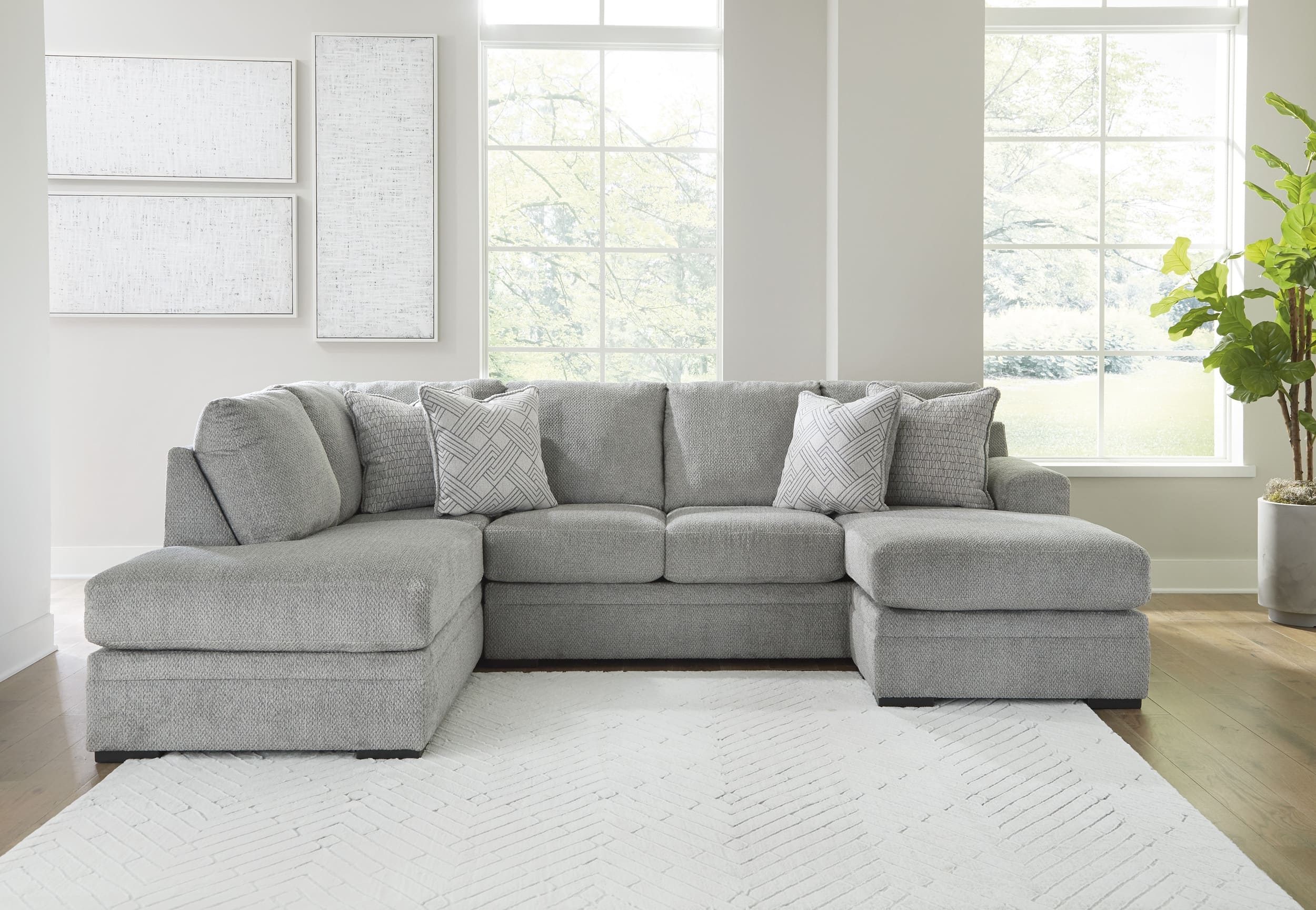
Looks matter, but they are a small part of what makes a sofa good to live with for years. What really matters is fit, frame, cushions, and fabric, in that order. Nail those four and the sofa will still feel good five years from now. Miss them and no amount of throw pillows will fix it.

Size and Fit First
Start by measuring the room and the path the sofa must travel. Measure the width of the wall where it will sit, the depth you can afford without blocking walkways, and the doorways, hallways, and stair turns it must pass through. A sofa that cannot get into the room is an expensive problem.
In the room, leave at least 30 inches of walkway in front of the sofa and about 18 inches between the sofa and the coffee table so people can move and sit down without shuffling sideways. Seat height matters too. Most adults are comfortable with a seat height around 17 to 19 inches. If your household is tall, a slightly deeper seat helps. If people are shorter or older, a shallower seat with a firmer back makes standing up easier. Sit the way you actually sit at home, not the way you sit in a showroom, before you judge.
Frame and Cushions
The frame is what decides if a sofa lasts three years or fifteen. Kiln-dried hardwood frames are the strongest common choice. They resist warping and hold joints well. Avoid frames that feel light and hollow or creak when you shift your weight. Ask how the joints are held together. Dowels, corner blocks, and screws last far longer than staples and glue alone.
For cushions, density matters more than softness. High-density foam, around 1.8 pounds per cubic foot or higher, holds its shape and supports you. Feather-wrapped cushions feel soft and relaxed, but they need regular fluffing. A good middle ground is foam wrapped in a thin layer of fibre, which gives comfort without constant upkeep. If the cushions are reversible, flip and rotate them every few weeks to spread wear evenly.
Fabric for Real Life
Fabric is where daily life either works with the sofa or against it. If you have kids, pets, or you eat on the sofa, pick a fabric you can clean without worry. Tightly woven fabrics and performance fabrics resist stains and hold up to washing far better than loose weaves.
Leather is tough and wipes clean, but it feels cold in winter and sticky in summer, and it needs conditioning to stop it cracking. Velvet looks rich and hides wear well, but it shows pet hair. Linen looks relaxed and breathes well, but it wrinkles and stains more easily. Colour is a practical choice too. A mid-tone or a fabric with a slight texture hides everyday marks far better than a flat light colour.
When you are comparing living room sofas, ask for the fabric and care details up front. What looks best in a photo is not always what survives your house. Always ask for a swatch or a sample and look at it in your own light before you commit.
A Comfort Test That Works
A thirty-second sit tells you almost nothing. When you test a sofa, spend at least ten minutes on it. Sit, lean back, put your feet up, and lie down the way you would at home. Check if your lower back feels supported or if you sink and slouch. Check if the armrests are at a height that suits reading or leaning.
If the sofa will be used for naps or guests, lie on it fully. If you share the sofa, test it together, because two people change how it feels. Check the back height too. A low back looks modern but gives less support for tall people. A high back supports the head and neck for long evenings. Do not feel rushed. A sofa is a long-term purchase, and a good shop expects you to take your time.
Delivery, Doorways, and the Final Checks
Before you pay, confirm the delivery details. Ask if delivery includes carrying the sofa inside, removing packaging, and taking the old sofa away. Measure the delivery path again with the sofa dimensions in hand, including diagonal clearance through tight turns. Many sofas come with removable legs or backs, which can make a tight fit possible, so ask if yours does.
Check the return policy, the warranty on the frame and cushions, and what it covers. A frame warranty of at least five years is a reasonable expectation for a quality sofa. Read the care label too. Know how to clean the fabric, how often to rotate cushions, and if the covers are washable or need professional cleaning. A sofa that fits, supports you, and survives your household is worth more than a sofa that only looks good.
The right sofa is not the prettiest one in the shop. It is the one that fits your room, fits your body, survives your daily life, and still feels good after years of use. Measure first, check the frame and cushions, pick a fabric you can live with, and test it properly. Do that and you will buy once, not twice.
The post Sofa Buying Guide: What Actually Matters appeared first on Sohomod Articles.
Most mistakes happen before the rug ever arrives. People shop by colour first and size last, when size should come first every time. Choosing a rug is simple once you know the order: measure, size from the furniture, pick a material that fits how you live, then worry about colour and pattern.

Measure Before You Shop
Start with a tape measure, not a shopping page. Measure the length and width of the seating area you want the rug to anchor, not the whole room. In a living room, that means the space under and around the sofa and chairs. In a dining room, it means the table plus enough room to pull the chairs out and still stay on the rug, usually about 24 inches on every side.
Write the numbers down. Then use painter's tape to mark the rug outline on the floor. Walk around it. Sit down. Check that doors still open and walkways still feel clear. This five-minute test stops the most common regret: a rug that looked right online and feels wrong in the room. Between two sizes, go larger. A rug that is slightly too big looks generous. A rug that is slightly too small looks like a mistake.
Pick Size by Furniture, Not by Room
The rule that matters most is simple. The front legs of every seat in the group should rest on the rug. If the rug only sits under the coffee table with the sofa and chairs floating around it, the seating area looks scattered. In a small living room, an 8 by 10 foot rug often works better than a 5 by 7, even though the bigger rug costs more.
In a bedroom, the rug should extend at least 18 inches past each side of the bed. Under a dining table, add about four feet to the table length and width so chairs stay on the rug when people slide back. Hallways need runners that leave a few inches of bare floor on each side. When a room has an odd shape, two smaller rugs can work better than one large one, as long as each one anchors its own group of furniture and the two rugs share a colour or style.
Material Matters More Than Pattern
Material decides how a rug feels, how it wears, and how hard it is to clean. Wool is warm, holds up well, and hides dirt, but it costs more and can shed for the first few months. Cotton is light, washable, and easy on the budget, but it wears faster in busy spots. Synthetic fibres like polypropylene resist stains and moisture, which makes them a sensible pick for dining rooms, entryways, and homes with kids or pets.
Jute and sisal look natural and feel firm underfoot, but they are hard to clean and rough for bare feet, so they suit low-traffic rooms better. If you have allergies, a low-pile rug you can vacuum well beats a thick shag that traps dust. Always check the cleaning instructions before you buy. A rug you cannot clean is a rug you will replace.
Shop area rugs by material first, before you even look at colour. That saves you falling for a pattern that cannot survive your house. Pattern is the fun part, but it should come last.
Colour and Pattern That Live Well
Colour is where people overthink. You do not need a rug that matches the sofa exactly. You need a rug that shares one colour with something else in the room, a cushion, a curtain, a piece of art, so the room feels connected. If your furniture is plain, a patterned rug can carry the room and add interest. If your sofa or curtains already have a strong pattern, a plain rug in a quiet tone keeps the room calm.
Dark rugs hide stains but show dust and pet hair. Light rugs show stains but make small rooms feel open. Mid-tones and rugs with a mixed pattern are the most forgiving day to day. Before you commit, look at the rug in daylight if you can. Colours shift between a phone screen and a real room, and a rug that looked grey online can read blue or beige in your light.
Care, Budget, and the Final Checks
A rug pad is not optional. It stops slipping, adds cushioning, and protects both the rug and the floor underneath. Buy a pad cut to the rug size or slightly smaller so it does not peek out. For care, vacuum once a week on a low setting, rotate the rug every few months so wear evens out, and clean spills at once by blotting, never rubbing.
Set your budget before you shop, pad and delivery included. A good rug in the right size is worth more than a premium rug in the wrong size. When the rug arrives, unroll it and let it rest for a day or two. If the corners curl, weigh them down with heavy books overnight. Live with it for a week before you decide. A rug that feels right on day one usually still feels right on day thirty.
Measure first, size from the furniture, pick a material that fits your life, then pick a colour that ties the room together. Follow that order and you get a rug that looks good, feels good, and lasts. Skip it and you will be shopping for a replacement far sooner than you planned.
The post How to Choose an Area Rug Without Getting It Wrong appeared first on Sohomod Articles.
You do not fix that by buying more stuff. You fix it by picking a small number of pieces that each solve a problem. The seven below are the ones that make the biggest difference for the least money and effort. None of them needs tools, a designer, or a whole weekend. Start with one or two, live with them for a week, then decide what the room still needs.

A Mirror and Better Lighting
A mirror is the cheapest way to make a room feel bigger and brighter, but only if you hang it where it reflects something worth seeing. Put it across from a window, not across from a blank wall or a pile of clutter. It will throw daylight deeper into the room and make the space feel twice as open.
Size matters. A tiny mirror on a big empty wall looks lost. A mirror about two-thirds the width of the furniture below it looks settled. Lighting matters just as much. One overhead light leaves corners dark and faces shadowed. Add a floor lamp or a table lamp at sitting height, and the room suddenly feels warmer at night. Warm bulbs, around 2700K, suit living rooms and bedrooms better than cold white light, which can make a home feel like an office.
A Rug That Is Actually Big Enough
The most common rug mistake is buying one that is too small. A rug floating in the middle of the floor with all the furniture around it chops the room into pieces and makes everything look smaller. In a living room, the front legs of the sofa and chairs should sit on the rug. In a bedroom, the rug should run under the lower two-thirds of the bed and stick out on both sides so your feet land on something soft.
Measure the seating area before you shop, and tape the outline on the floor with painter's tape so you can see it. A plain rug in the right size beats a beautiful rug in the wrong size every time. If money is tight, buy a bigger plain rug rather than a smaller patterned one.
Curtains Hung High and Wide
Curtains change a room more than most people expect, and the trick is where you hang them. Mount the rod four to six inches above the window frame, and extend it six to ten inches past each side. Hang the panels so they just kiss the floor. The window instantly looks taller and wider, and the room feels more finished.
Thin, cheap-looking panels that stop above the sill do the opposite. They make the window look small and the room feel unfinished. You do not need heavy drapes. A pair of simple linen-look panels in a colour close to your walls will do the job. Buy the rod and panels together so the widths match, and always buy panels in pairs unless you want a single flat sheet that never looks right.
If you are stuck for ideas, flipping through home decor photos in one place can help you see what goes together before you spend anything. Look at curtains, mirrors, and the rest side by side, and the room starts to make sense in your head.
Real Plants and One Piece of Wall Art
A living plant does three things at once. It adds colour, it adds height, and it softens the straight lines of furniture and shelves. Start with one or two easy plants, like a snake plant or a pothos, if you have never kept plants before. Put the tallest plant in an empty corner, where a bare corner otherwise draws attention to itself. A trailing plant on a shelf pulls the eye upward and makes the shelf look styled without any effort.
For wall art, one large piece beats five small ones scattered around. Pick a piece about two-thirds the width of the sofa or console below it, and hang the centre of it at eye level, around 57 inches from the floor. If you already have a gallery wall in mind, plan it on the floor first and photograph the layout before you put a single nail in the wall.
A Tray or Basket That Hides Clutter
The last piece is the least glamorous and the most useful. A tray on a coffee table or a basket beside the sofa gives loose items a home. Remotes, chargers, magazines, small toys, all of it lands in one place instead of spreading across every surface. That alone makes a room look calmer.
Pick a tray that fits the table with room to spare, and a basket big enough to actually hold what you own. A basket that is too small just becomes another thing to step around. Once each surface has one container, tidy-up takes about two minutes. Rooms do not stay neat because people are tidy. They stay neat because everything has an obvious place to go. That is what this final piece buys you.
You do not need all seven pieces at once. Pick the one that fixes the biggest problem in your room. If the room is dark, start with the mirror and a lamp. If it feels bare, start with the rug and curtains. Give each change a few days before you judge it. Good decor is about light, scale, and a place for things to live, and then leaving enough empty space for the room to breathe.
The post The 7 Decor Pieces That Change a Whole Room appeared first on Sohomod Articles.
If you decorate for just one age, the room will feel wrong within two years. The trick is to buy pieces that can change with your child, and to keep the room flexible enough that a small change makes a big difference. You do not need to redo the whole room every birthday. You need a good bed, storage your child can use alone, and a layout that leaves room to grow.

Buy a Bed That Lasts More Than One Phase
The bed is the biggest purchase in a kids room, and the one people replace most often. A tiny toddler bed looks cute for a year and then becomes useless. A full-size single bed, on the other hand, can last from age five right through the teenage years. If your child is small, a bed rail keeps them safe for the first year or two, and then it comes off when they are ready.
A bunk bed or a loft bed is worth thinking about if the room is small. A loft bed frees up the floor underneath for a desk, a reading corner, or extra storage. That matters a lot once homework starts. A bunk bed works well for two children sharing a room, but check the ceiling height first. Your child needs enough room to sit up in the top bunk without hitting their head.
Storage Your Child Can Use Alone
A tidy kids room is not about strict rules. It is about storage a child can reach and use without help. Low shelves, open bins, and drawers at knee height let a five-year-old put toys away by themselves. High cupboards only an adult can reach mean you will be the one tidying up, every night.
When you pick kids furniture, look for pieces with rounded corners and stable bases. A tall, narrow bookcase a child could pull over is a risk. Fix it to the wall with a strap. Same goes for a wardrobe or a chest of drawers. Wall straps cost very little and prevent the most serious accidents in a kids room.
Make Room for Homework Before You Need It
Homework starts sooner than you think, and a child who does homework on the bed or at the kitchen table will struggle to focus. A small desk in the bedroom, even a simple one, tells your child that schoolwork has its own place. It does not need to be big. A desk that holds a book, a pencil case, and a lamp is enough for the first few years.
Put the desk near a window if you can. Natural light helps, and a view gives tired eyes somewhere to rest. Keep the desk clear of toys. If the desk is buried under toys, homework will end up on the bed again, and you are back where you started.
Leave Space to Play, Even in a Small Room
A kids room needs empty floor space. That sounds obvious, but it is the first thing to disappear when the room fills up with furniture. A child needs room to build, to draw on the floor, to play with friends, and to spread out a puzzle. If every centimetre of floor is covered, the child will play in the living room instead, and the bedroom will just be for sleeping.
Keep at least a third of the floor clear if you can. That might mean a smaller wardrobe, or a bed with storage underneath instead of a separate chest of drawers. A fold-up desk or a wall-mounted shelf can free up more floor. The goal is not a big room. It is a room with enough open space to use.
Let Them Have a Say as They Grow
A child's room should feel like their room, not like a showroom. Let them pick the colour of their bedding, the posters on the wall, and how their shelves are arranged. These are small choices that cost nothing, and they make a child feel ownership of the room. A child who feels ownership is more likely to look after the room.
You will not love every choice they make. That is fine. The neon poster phase passes. The point is that the room feels like theirs. If you control every detail, they will not care about the room, and you will be the one tidying it.
Plan for the Next Two Years, Not the Next Ten
It is tempting to plan a kids room for the next ten years. Do not. Children change too fast. Plan for the next two years, and pick pieces that can adapt. A bed that adjusts, a desk that grows taller, and storage that can be rearranged will carry you through several phases without a full rebuild.
Buy the best bed and mattress you can afford, and save money on the rest. A child spends ten hours a night in bed. A good mattress supports growing bones and helps them sleep well. A cheap mattress sags within a year and can cause back pain. The desk and shelves can be simple. The bed cannot.
You do not need to buy everything at once. You need a bed that lasts, storage they can use alone, a desk for homework, open floor space to play, and a room that lets them have a say. Plan for the next two years, keep the big pieces simple, and let the small things change as your child changes.
The post Kids Rooms That Grow With Them appeared first on Sohomod Articles.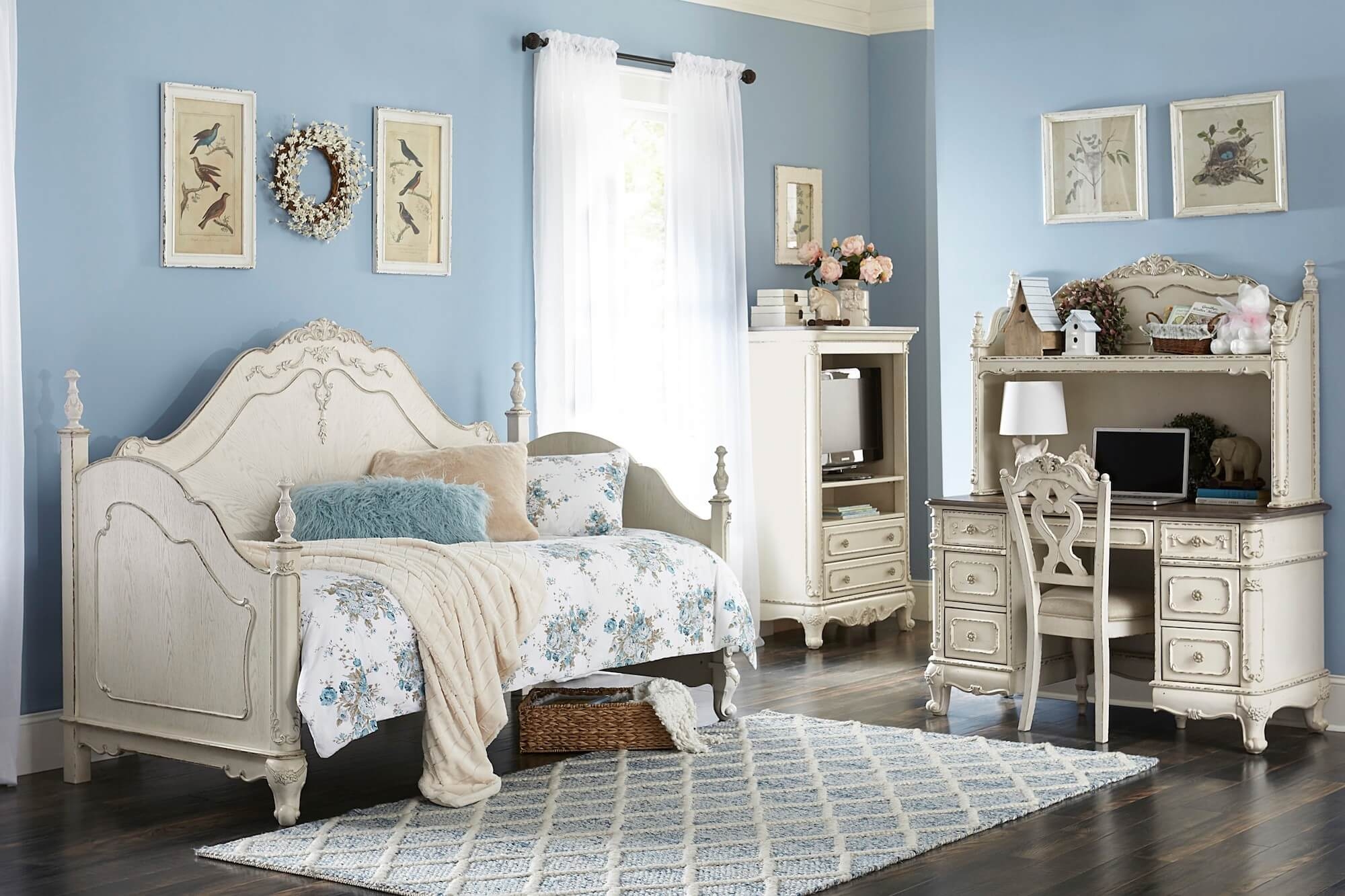
Most of the time it is not the weather. It is that the outdoor space was never set up to be as comfortable as the living room. Nobody will sit outside on a hard plastic chair when a soft sofa is waiting indoors. If you want to use your outdoor space all summer, you have to make it just as inviting as the room inside. That does not mean spending a fortune. It means shade, comfortable seating, a place to put a drink, and light for the evening.

Start With Shade, Not Seating
Shade comes first, because nobody sits in direct sun for long. A parasol is the simplest answer for a small patio or balcony. It moves with the sun and folds away when you do not need it. A shade sail works well over a bigger area and looks better than a parasol, but it needs strong fixing points. A pergola with a canvas cover gives permanent shade and feels like a real outdoor room.
Think about when you use the space. If you eat lunch outside, you need shade at midday, when the sun is highest. If you sit out in the evening, you need shade from the low western sun, which a parasol alone may not block. A tall plant, a trellis, or a simple outdoor curtain can block that low sun without turning the space into a dark box.
Choose Seating People Actually Want to Sit On
Outdoor seating fails when it is picked for looks instead of comfort. A metal chair with no cushion looks neat in a photo and feels terrible after ten minutes. Deep seats, thick cushions, and a back that actually supports you are what make people stay outside. Test the seating the same way you would test an indoor sofa. Sit in it for five minutes, lean back, and see if you want to stay.
When you shop for outdoor furniture, check the materials as well as the comfort. Aluminium frames will not rust. Teak and acacia age well outdoors but need oiling once or twice a year. Resin wicker looks like natural wicker and handles rain far better. Steel is strong but heavy, and it rusts if the coating chips.
Give Everyone a Place for a Drink
A missing side table is the small detail that ruins an outdoor evening. People end up holding their drink, balancing it on the arm of a chair, or putting it on the ground. All three are annoying. Every seat should have a table within arm's reach. It does not need to be big. A small side table next to each chair is enough.
Light It for the Evening
Outdoor spaces fail at dusk because the only light is the bright security light by the back door. That light is too harsh for sitting outside. You want soft, low light that lets you see each other without lighting up the whole garden. Solar string lights are the easiest fix. Hang them over the seating area, and they switch on by themselves as it gets dark.
A few lanterns or battery candles on the table add warmth without any wiring. If you have an outdoor socket, a small table lamp rated for outdoor use makes the space feel like a real room. Keep the light low and warm. Bright white light attracts insects and makes the evening feel like a car park.
Plan for Real Weather, Not Perfect Weather
Outdoor spaces get used more when they can handle a bit of bad weather. Wind is the biggest problem after sun. A low wall, a hedge, or a row of tall pots breaks the wind without blocking the view. A parasol in a strong wind will blow over, so weigh the base properly or take it down when the wind picks up.
Pick fabrics that dry quickly. Solution-dyed acrylic cushions resist fading and dry fast after rain. Cotton cushions look nice but stay damp and go mouldy if they get wet often. If you live somewhere with heavy rain, keep the cushions in a storage box and bring them out when you sit down. It takes two minutes and it doubles the life of the cushions.
Keep It Simple Enough to Use Every Day
The best outdoor living room is the one you can use without a big setup. If you have to carry six cushions, two chairs, and a table out of the shed every time you want to sit down, you will not bother. Keep the main seating in place all summer. Only the cushions should need to move, and even those can stay out if the weather is dry.
Keep a small basket or box by the back door with the things you use outside: sunscreen, a lighter for the candles, a couple of blankets for cool evenings, and bug spray. When everything is in one place, going outside takes thirty seconds. When it is scattered around the house, going outside feels like a project.
An outdoor living room does not need to be fancy. It needs shade, seating you want to sit on, a table for your drink, soft light for the evening, and a setup simple enough to use every day. Nail those, and you will use the space all summer, not just the first weekend.
The post Building an Outdoor Living Room You Will Use All Summer appeared first on Sohomod Articles.